
Welcome to Year 3 Class Page
We are really excited to share all our news and information with you - as well as the children's achievements!
Our class teachers are Miss Barnes (3B) and Miss Stockton (3S)
Our support assistants are Mrs Rawlings (3B) and Miss Kelly (3S)
If you need to speak to your child's class teacher, please catch us after school or by making an appointment via the office. We look forward to a really exciting school year!
Newsletters
3B
https://boost-insights.org/198355/GXP24
https://boost-insights.org/198355/T24LP
Summer 2 Week 4
English
This week, Year 3 explored the vehicle text ‘Into the Forest’ and worked in groups to recreate the scene from the illustrations, acting as the characters or objects in the pictures. They used freeze frames to show other groups, who then had to guess which part of the story they were performing. Year 3 also made two parallel lines to form a conscience alley. Elsie acted in the role of the character from the book and each side had to convince her to either obey or disobey the mum in the story by taking the shortcut through the forest, or by choosing to take the longer route. We ended with a game of ‘Hot Seat’ to infer the characters' feelings.

I enjoyed acting in the roles of the different characters from Into the Forest and I liked guessing what other groups’ freeze frames were. I also liked acting out show not tell phrases. I acted as the boy desperately looking over his shoulder with his eyes darting from right to left and the class eventually guessed correctly. – Lyric
I enjoyed being on the side of the conscience alley that was persuading the boy to not obey his mum. It was fun to think of persuasive phrases. – Shaheer
I liked that everyone got a chance to share their ideas during conscience alley. – Amelia
By playing hot seat, we were able to think about how the character was feeling at each point of the story. - Daniel
Grammar
This week in Year 3, we’ve been learning all about direct speech and how to punctuate it accurately. The class has been learning how to use inverted commas around spoken words, to ensure each piece of speech begins with a capital letter, and to use a piece of punctuation before closing the speech marks. We have also been exploring how to include more exciting reporting clauses and where we can place them to create more varied sentences.

Maths
This week we have been exploring 3D shapes. Year 3 have been naming various shapes and identifying how many faces, edges and vertices they have. They discovered how a sphere, for example, has no edges at all, while a cube has 12!


Summer 2 Week 3
Stay and read
This week we have welcomed a visitor from Mill Hill library to share how our school can enter a summer reading competition. This is a wonderful way to keep children motivated to read over the holidays. Children also enjoyed some hotdogs and ice pops and had the opportunity to choose some of their favourite books to read to their parents and carers.

I like how we got to read books to our adults. I read ‘Grandad Wheels’ to my grandma. I will be entering the library competition and aim to read 6 books over the school holidays. – Charlie
English
This week, the children have been listening to a soundtrack of a forest accompanied by a dark, gloomy woodland image. They moved around the classroom, imagining they were walking through the forest, predicting what our new vehicle text might be. Year 3 were then shown objects and illustrations from the text that offered them more clues about what the story may be about and worked in groups to share their ideas.

I predict the story will be about a boy who wears a red coat and enters the forest to enjoy a picnic but gets lost. He finds a book that helps him return home. – Charlie
The clues made me think that the story will be full of different fairy tales because the red coat is like Little Red Riding Hood’s, the cow is from Jack and the Beanstalk, the book is Hansel and Gretel and the doll looks like Goldilocks. Maybe all those characters will be in the story, like the film, Into the Woods. – Kashana
I think the boy in the red coat will be delivering the cakes to his grandma’s house, like Little Red Riding Hood. He will walk through the forest, and he will be followed by the Big Bad Wolf. But I think it will be slightly different from the original story because he is a boy, and I think other characters from other books will help him along the way. – Lyric
Gymnastics
Year 3 have been using the vaulting apparatus this week to practice their flexibility, control and balance. The children ran towards the table, placed their hands on top and jumped onto the table in one fluid movement. They then climbed to their feet and dismounted in one jump with their arms outstretched.

I am proud of myself this week. I was a bit nervous to jump on and off the vault table at first but I’m getting better each time! – Paisley
Science
During our Light unit, Year 3 participated in an activity where they were blindfolded and had to guess what objects were inside each bag. The class made predictions and later discovered what these objects were, once they had been illuminated by light. This was to show that light is a type of energy which comes from a light source, and we need light for our eyes in order to see. Year 3 learnt that light sources can be natural, such as the sun, which is our main source of natural light, or from things burning. We also get light from man-made sources such as ceiling lights, lamps, torches, candles and even electronic devices. The class were able to sort these into two categories, ‘light source’ and ‘not a light source.'

Summer 2 Week 2
Author Visit
Famous author and illustrator Chris Mould visited our school today! He joined us for an illustrator workshop and explained to us how he draws pictures for stories that he has written and some for other authors too. Year 3 were extremely excited to welcome Chris to our class as his illustrations of the Iron Man inspired our Animation Art unit. Year 3 were eager to show him their versions of the Iron Man too. The children had the opportunity to ask Chris many questions about his career as an author and illustrator and what inspires him.
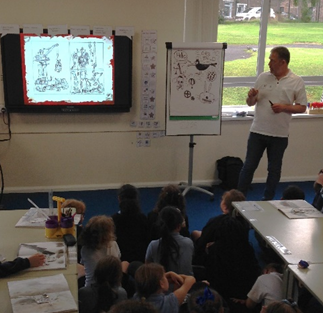

I enjoyed asking Chris questions and I found out that his favourite genre of writing to illustrate pictures for is magical adventures. – Shaheer
I enjoyed watching Chris create the pictures and I like how he explained how anyone can become an artist at any age. You just have to start simply and pick out the shapes from an image first and then add detail. – Kashana
I was really excited that we got to meet such a famous author and illustrator. I couldn’t believe that it was actually him standing in our classroom, after all the times we have watched his videos, drawing the Iron Man during our art lesson. – Archie
I enjoyed showing Chris the iron men that we created. He said that he liked the way we had made them move, using split pins. – Isla
He showed us how he recreated a life-sized Iron Man. He had to make the parts separately because they were so huge, and he had to make sure they could get out the door of this studio. The Iron Man is now in a museum in Halifax. – Isla
Chris Mould inspired me to start writing stories by drawing the characters first and then the story coming later. – Paisley
Father's Day
This week we have been making cards to give to fathers and fatherly figures in our lives to celebrate Father’s Day.
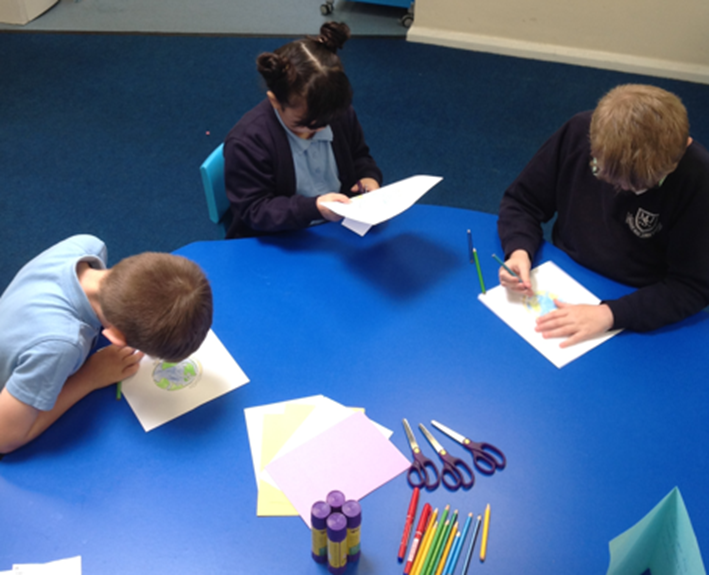
I appreciate my dad because he is very kind-hearted. – Charlie
I love my dad because he provides for me and my family. – Daniel
I love my dad because he takes me camping, and we get to spend lots of time together. – Harris
I love my dad because he gives me lots of hugs and I know that he loves me. – Amelia
Our Fundraising Hero
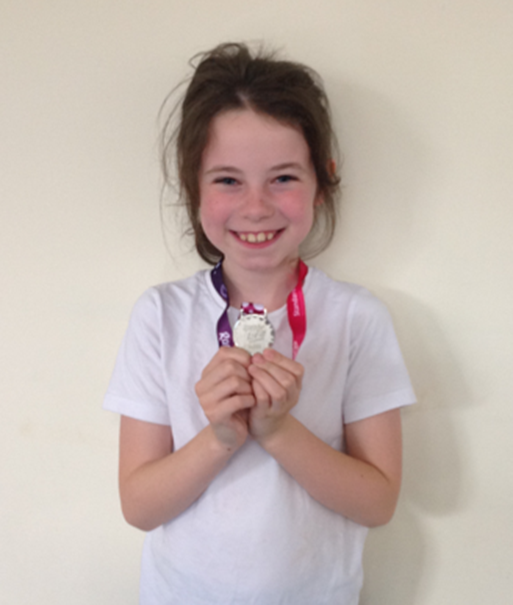
Paisley has amazed us this week with how much money she has raised for Cancer Research! She ran the Race for Life and raised £240! We are so proud of you Paisley, what an achievement!
Summer 2 Week 1
English
During our English lessons, Year 3 have been acting in the role of Egyptologists on an archaeological dig to find ancient artefacts at various sites such as next to the pyramids in Cairo, outside the tombs in Beni Hasan and climbing statues at Karnak and The Colossi. The children described various artefacts they found such as ancient jewellery made of gold and gemstones, weapons, amulets, canopic jars and papyrus scrolls with secret hieroglyphs.
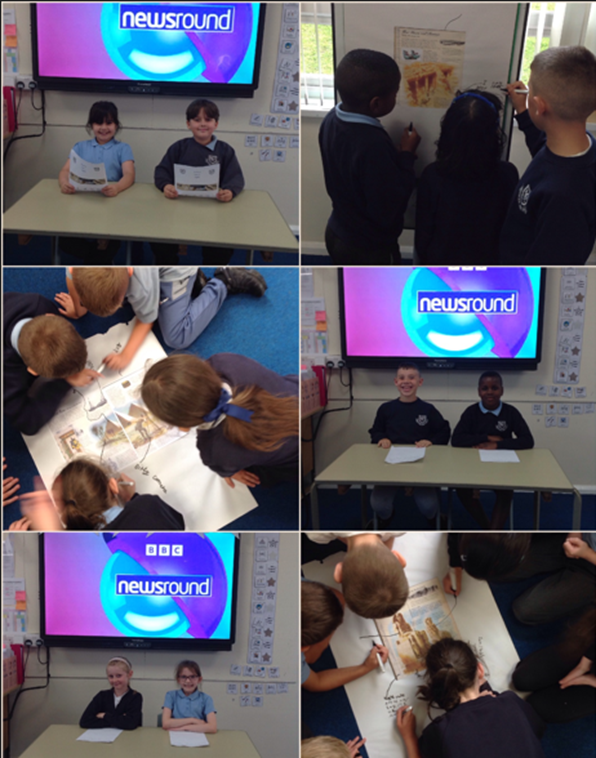
Today we received a letter from Emily Sands, and she asked us to keep the contents of her diary secret because she didn’t want people to try and discover the lost tomb of Osiris because it is very dangerous and groups of people that have gone for looking for it before, have disappeared. – Kashana
I enjoyed acting in the role of a news reporter. I interviewed Shaheer, who was acting as a famous archaeologist who had just returned from an excavation site in Egypt. – Amelia
I acted as an archaeologist and in the interview, I explained that I found some magnificent jewels deep underneath the sand. I used adjectives to describe the ancient artefacts, to explain to the viewers what each artefact looked like, in detail and to make it sound more interesting so that they would want to carry on watching the news. – Brooke
It is also important to use prepositions when describing where the artefacts were found, so the viewers know where exactly the artefacts are being discovered. If you describe where and how you found the objects, the viewers could feel like they were there, which makes it more exciting for them to listen to. – Charlie
We used loud, clear voices to deliver our news report, and we made sure we were sat up straight and looking at the camera, using our body language to show we are real news reporters that have great posture to look smart and polite. – Daniel
PE
We are delighted to have the opportunity to work with Coach Catherine again this term. Year 3 have been working on the gymnastic skills they have covered so far. They practised movements such as tuck, pike and a forward roll and performed sequences of these. The class also worked on developing their fundamental skills, focusing on balance and control.
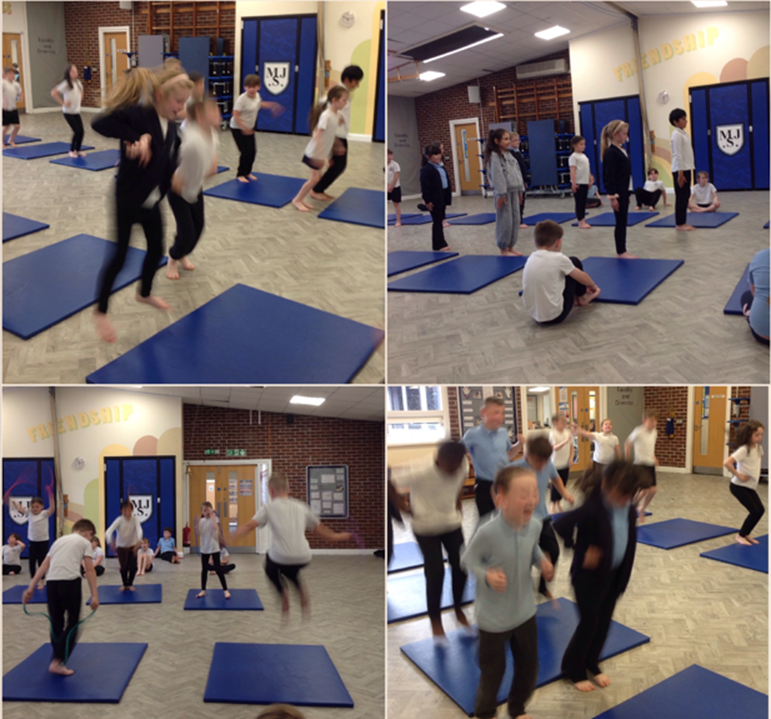
I liked that we recapped the different gymnastics moves. I was happy that I could remember how to do a tuck. - Daniel
For 2 of the movements, the straddle and pike, we had to keep our legs straight. I had to focus to keep my legs locked in place. - Charlie
PSHE
Year 3 have been discussing what roles people in their families have and what responsibilities they have at home. We also discussed whether there are some jobs that are more suitable for women, or some jobs that only men can do. The class worked in groups to share their thoughts, and we discussed gender stereotypes and challenged them. Year 3 were able to confidently express their opinions as part of the class discussion and were respectful when listening to others.
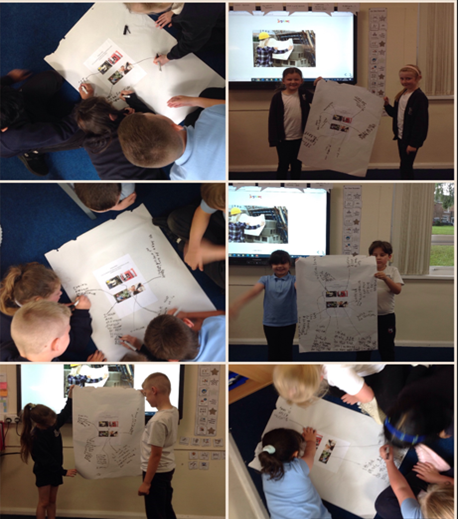
I believe that me and women should be able to choose whatever job they like. – Shaheer
It is important that people have the chance to choose what they want to do as their career so they will enjoy their job and try hard. – Amelia
Children should grow up knowing they can be whoever they want to be and get any job they want, no matter if they are a boy or a girl. – Kashana
Summer 1 Week 5
Behaviour Treat
Year 3 have enjoyed their well-deserved behaviour treat this term by joining in with relay races on an inflatable assault course! The class enjoyed cheering on their friends and racing one another.
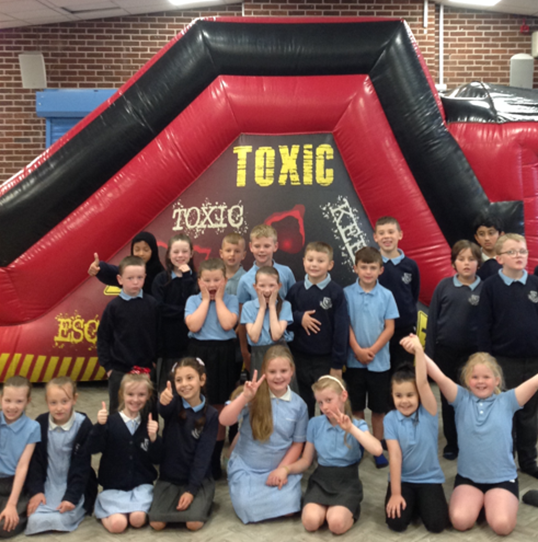
I think we all deserved this treat this term because we have tried hard to follow our school values and show respect. – Kashana
I enjoyed taking part in the girls vs boys race. We had to tag our teammates before they could go. I cheered on my team to motivate them. – Shaheer
Science
We have been learning about water transportation in plants this week. We added food colouring to some water in a jug, so we could observe how the flower’s stem, stalks and petals changed in colour over time, showing us where the water had been transported.
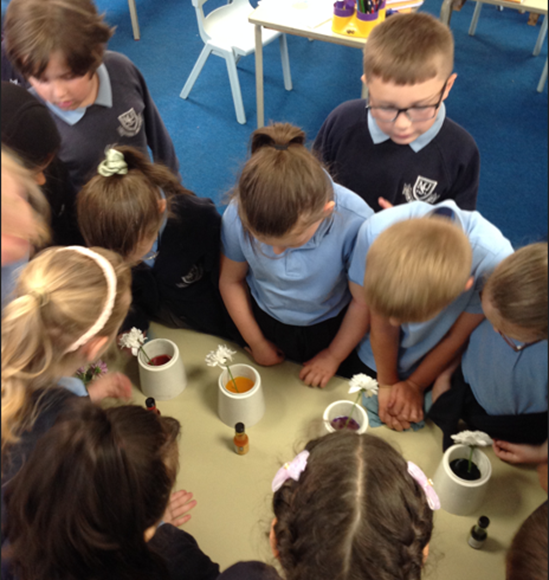
We have also recorded our last results of an observation we conducted throughout the unit. We have discovered that although the plant with no sunlight and no soil have survived so far, they do not appear healthy. The plant that received no water has died. We concluded that a plant must have water, sunlight and soil to grow and be healthy.
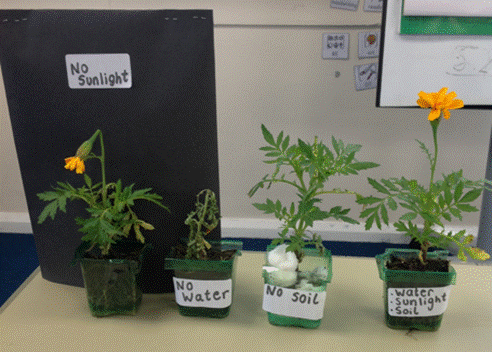
I liked checking on the progress of the plants and observing them each day, to check if there were any changes. – Amelia
I learnt that if you put food colouring in water for the plant to take up through its stem, the whole flower will not change colour, just the edges of the petals. – Paisley
Plants also need space to grow. If all plants grew really close together, they wouldn’t have room to grow, and they might not be able to get the right amount of water and nutrients from the soil. – Charlie
Plants disperse seeds so they don’t all grow close together. They can disperse them by wind, water and bursting. – Daniel
Seeds can also be dispersed by animals eating them, or by getting caught on an animal’s coat or a human’s clothes. – Shaheer
Geography
Year 3 have been locating the Lake District on the map of the UK using an atlas. They were able to identify towns, mountains and lakes by using the key to identify the correct symbols on the map.

The Lake District is a national park in the Northwest of England. The tallest mountain in England, Scafell Pike is in the Lake District. – Kashana
Building on Kashana’s answer, Scafell Pike is not the tallest mountain in the UK. The tallest mountain in the UK is Ben Nevis in Scotland. – Carter
The tallest mountain in the world is Mount Everest in the Himalayas in Asia, on the borders of Nepal and China. Many people set themselves challenges to climb Mount Everest, but it can be very dangerous and requires lots of training. – Lyric
Summer 1 Week 4
English
In groups, Year 3 created scenes where they are inside an ancient pyramid and encounter a dangerous trap. The class used roleplay to build the scene from exploring along a passageway to the moment when they are just about to be caught. We then used freeze frames, so pupils could share how the character would have been feeling at that moment and use words and phrases to describe what they are thinking and how their bodies are reacting, e.g. trembling, heart thumping, shivering.
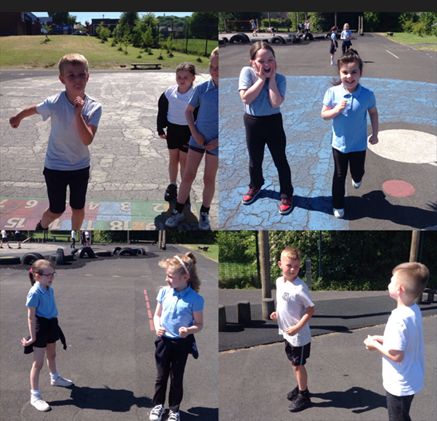
I am going to build suspense in this part of my story by using descriptive language such as ‘the floor began to rumble, and the ancient walls started to crack’. This would make it more exciting for the reader. – Skye
I am going to include some actions to show the reader that the character is frightened without saying it. For example, I will use, ‘a shiver shuddered down my spine’ and ‘sweat trickled down my face’ – Kashana
I am going to include many traps inside the ancient Egyptian pyramid such as a boulder chasing my character, scorching flames shooting from the walls and sharp arrows shooting in every direction. This will make my writing more exciting. – Charlie
PE
Year 3 enjoyed participating in striking and fielding games. This week they worked together in batting and fielding teams, practising their form when batting and their accuracy when throwing and catching with their teammates.
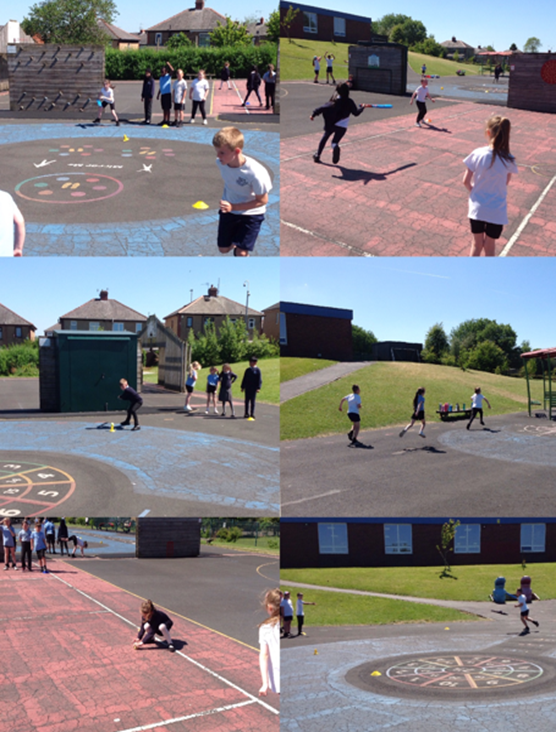
It is important to be accurate when throwing to each other on the fielding team because the quicker we can pass the ball to the whole team, the quicker we can catch the batting team out. If any of us drop the ball, we lose precious time. – Harrison
Science
As part of our plants unit, Year 3 set up an investigation to discover what a plant needs to grow. We planted 4 plants, one with no water, one with no sunlight, one with no soil and one that had water, sunlight and soil. We will be observing the changes that occur with these plants over time. Year 3 made a prediction and explained how they set up the investigation.
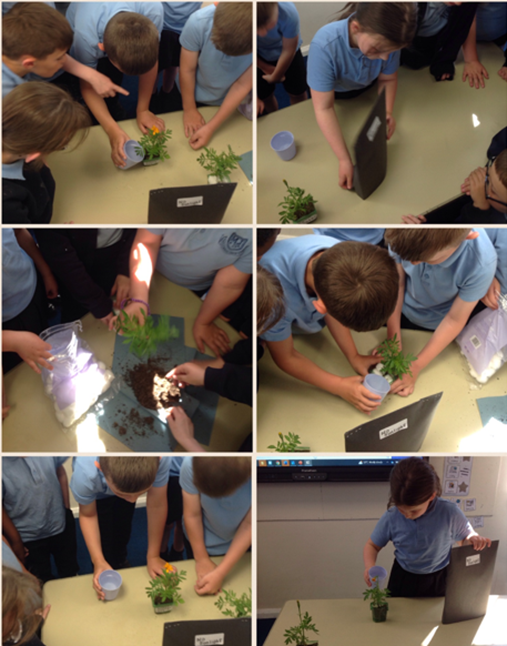
I think the one with cotton wool instead of soil might still grow for a little bit because it can still soak up the water. – Charlie
But it will eventually die because there are no nutrients in cotton wool, like there is in soil. – Daniel
I think the one with no water will die because plants are living things and they need water to survive. – Bella
I think the one with no sunlight might still grow but I don’t think it will be a healthy plant. – Lyric
Summer 1 Week 3
VE day celebrations.
On 8 May 2025, we mark the historic 80th anniversary of VE Day, with families and communities coming together to unite and celebrate 80 years of peace since the end of World War II in Europe. As a school, we have celebrated by joining a live assembly with schools across the country, paying our respects with a 2-minute silence at 12pm, creating posters, leaflets and flags and enjoying a VE picnic outside. In the afternoon, we invited parents and carers to come and have a look at all the amazing work Year 3 has created.
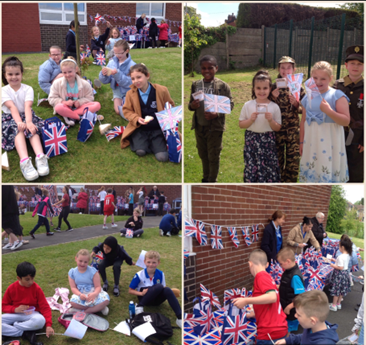
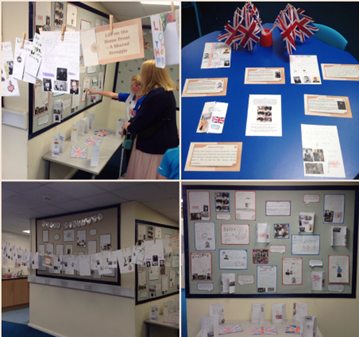
VE day is about Europe celebrating victory because Germany surrendered. There was a radio announcement made by Winston Churchill, who told Britain the World War 2 had ended. – Charlie
Winston Churchill said the fight was not over because people still needed to fight for peace and work hard to rebuild the damage that has been done. – Shaheer
During the war, millions of people sacrificed their lives so we can have peace today. – Lyric
Women helped in the war by working in munition factories. They would go to work at 5am to make bullets and shells. They were in danger at work because they were working with harmful and explosive materials. One time, a factory did explode and killed hundreds of people. – Skye
Science
As part of our new science unit focusing on plants, Year 3 investigated the school grounds to see which plants were growing nearby us. This inspired the class to explain their prior knowledge from Year 2 and think of new questions they would like to find the answers to during this unit.
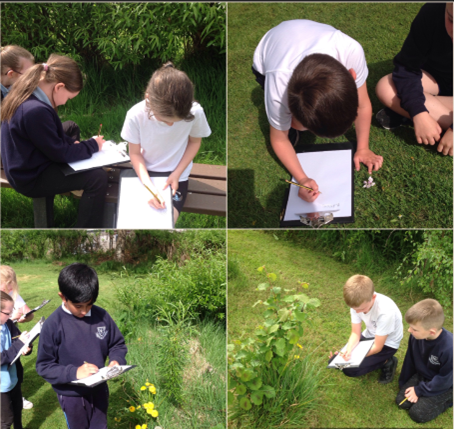
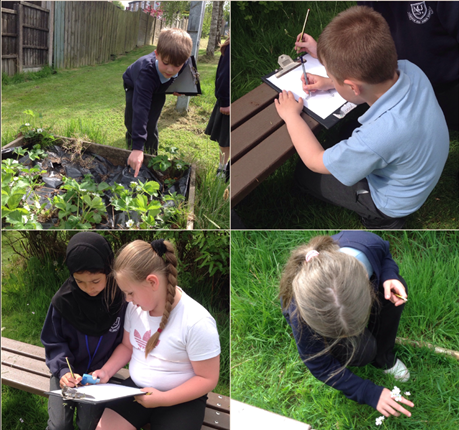
People like putting flowers in their house because they look nice and they can make your house smell nice too. – Grayson
Flowers normally grow in spring. – Shaheer
I liked doing the observation outside because we get to explore the outdoor and look closely at all the plants and trees that grow around our school. – Paisley
Me and my partner spotted many dandelions. – Shaun
Plants need water and sunlight to grow. – Harris
Flowers are like humans because they water to survive. – Bella
Plants need soil to grow so the roots can grow under the soil. The roots drink up the water from the soil. – Shaheer
Plants mostly grow outdoors because they need fresh air. – Daniel
Summer 1 Week 2
Geography
In geography, we have started our new unit focusing on the Lake District. Year 3 have been exploring what a National Park is and the appeal of the Lake District, discussing why people may choose to visit. This week we have focused on how to read a map and use a key efficiently by identifying symbols. The class explored Digimap, an online mapping tool, to look at a map of the Old Man of Coniston in Cumbria and used the key efficiently to identify different geographical features. The class was able to identify the triangulation point and contour lines that connect points of equal height above sea level.
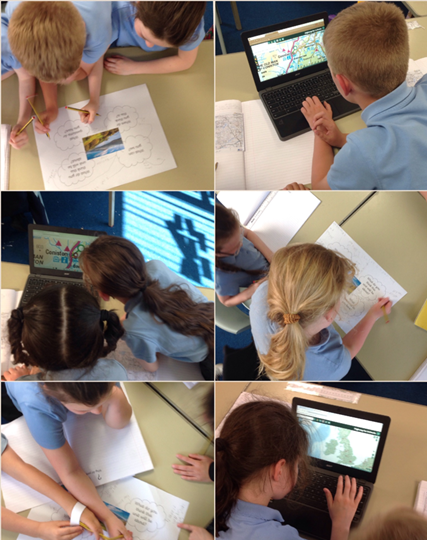
I think people would like to visit the lake district because they can explore the outdoors and learn about the wildlife. – Daniel
If you get lost when you are walking up a mountain in the Lake District, you should ask somebody walking by for directions, or you could turn back around and head the way you came. If somebody gets hurt whilst walking up a mountain, you should call Mountain Rescue. – Shaheer
We need to use symbols on maps because there wouldn’t be enough room on one to write down the names of each place, lake, road and mountain. – Paisley
A blue triangle symbol on a map shows the triangulation point, which is the highest point of land. At the peak of a mountain or hill, there will be a triangulation pillar which is made of concrete and helps people map the land accurately. It is at the top of Pendle Hill. – Charlie
PE
This term we will be focusing on striking and fielding in our PE lessons. Today we have been practising our throwing and catching skills, aiming to throw a ball to our partner through a hoop, focusing on accuracy. We then worked in teams and carried out a batting and fielding exercise were Year 3 had a chance to practise their batting skills, by hitting the ball from the tee and making as many runs as possible before the fielders retrieved the ball.
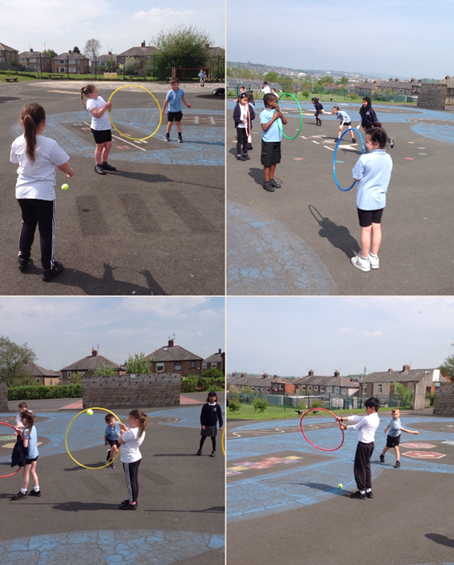
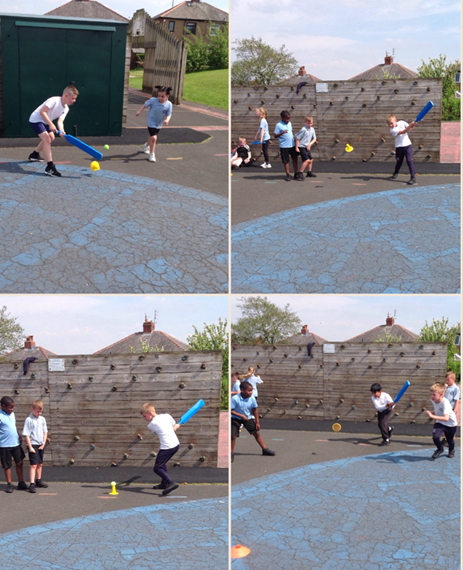
I learnt how to hold the cricket bat and stand side on to aim for the tee accurately. The umpire in my team offered me feedback to help me improve my cricket skills. – Charlie
I enjoyed racing to get the ball as the fielder to make sure the batter didn’t get too many runs. – Shaheer
DT
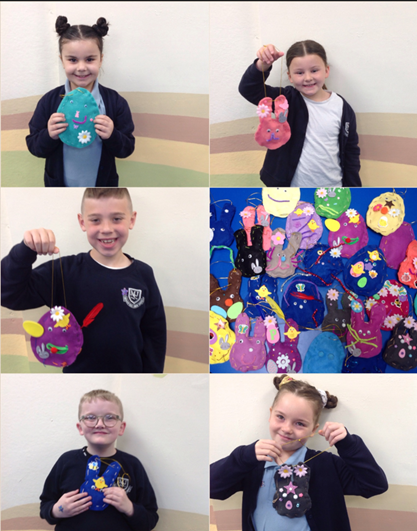
In DT, Year 3 have designed and made an easter themed hanging decoration based on our design criteria. They used their stitching skills to attach two pieces of felt and filled with cotton wool to create an appealing product that could be used to decorate a home during the easter period.
Summer 1 Week 1
English
It’s writing week! Year 3 have been writing their own Return Narratives related to the book Jemmy Button by Alix Barzelay. The purpose of writing was to narrate, and they wrote 5 parts, including setting descriptions of many diverse settings, such as an island, the ocean and a busy city. The children portrayed to the reader how their main character may have felt when they visited a new place and how they may have missed home.
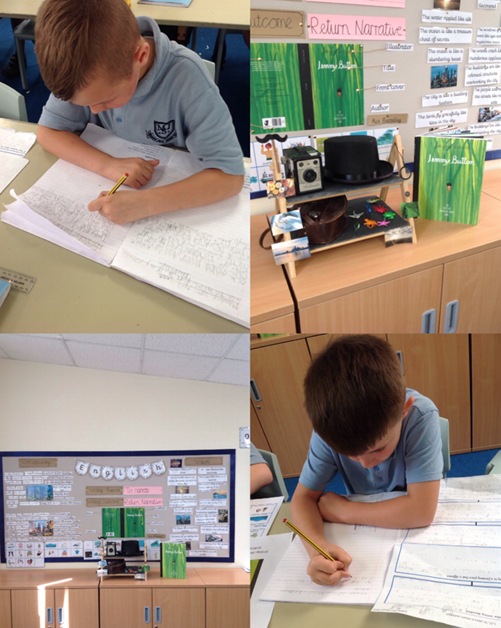
I have tried to include actions that shows how the character is feeling, rather than just saying the character is feeling sad, I wrote that he clutched his aching heart. – Charlie
I have included word families in my writing, such as joy, overjoyed and joyful. – Daniel
VE Day
This week we have been learning all about VE Day, which stands for Victory in Europe Day. This was the day near the end of World War Two when fighting against Nazi Germany in Europe stopped. World War Two had begun in 1939. On 8th May 1945, Germany officially surrendered. Year 3 have been exploring how World War Two shaped a multicultural Britain, focusing on countries that supported Britain during the war. We looked at a variety of people who were influential in the war, focusing on Winston Churchill, the prime minister of the UK, Margery Booth, a British spy and Alan Turing, a code breaker. The class researched their lives and how their contributions impacted the war and created posters to add to a ‘Wall of Heroes’ display in school.

Alan Turing was a mathematician that helped break codes, so that Britain could work out Germany’s secret messages. – Brooke
Margery Booth was an opera singer who married a German man before the war. People thought she was on Germany’s side because she lived in Germany, but she was loyal to Britain and became a secret spy. – Kashana
Winston Churchill was the UK prime minister, and he was well known as the British bulldog, which was a symbol of how determined he was. He was famous for his powerful speeches that inspired many British people. – Carter
Maths
As part of our addition and subtraction unit, Year 3 have been learning how to subtract numbers with three digits using formal written methods of column subtraction, with exchange from tens into ones and hundreds into tens. They have used rounding to estimate, and inverse to check the answer to a calculation.
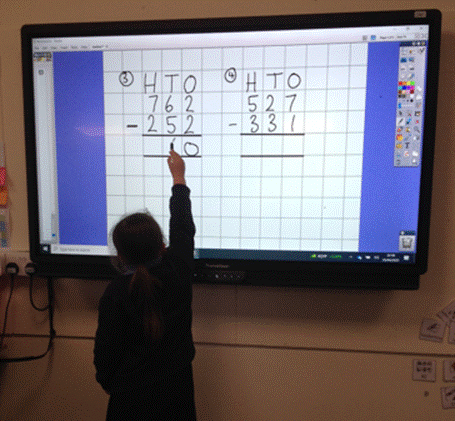
You must be careful to always place the digit in the correct place value column, otherwise your answer will be incorrect. – Lyric
Spring 2 Week 6
Easter Egg Surprise
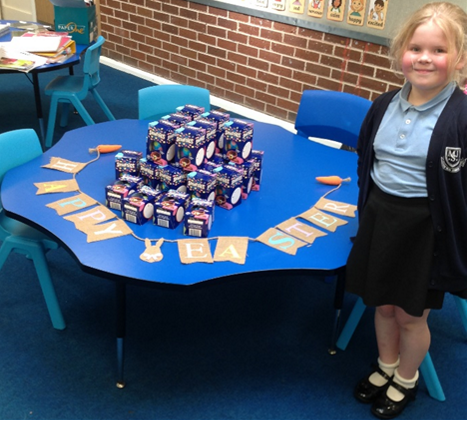
Our 3B class member Lana surprised us with an Easter egg for every single child in the whole school! She explained, “My family bring Easter eggs in for everybody as part of my uncle’s charity, the Shaun Haggart Foundation.” Lana’s family set up a non-profit charity based in Blackburn after her uncle’s passing. They set this up in his name to have something to remember him by and to help all kinds of people in the community.
Behaviour Treat
Year 3 were so excited to discover our behaviour treat this term was a game of quidditch. The class was split into two teams, Gryffindor and Slytherin! The children worked together to score using quaffle balls in the opposing team’s goal post rings, all while avoiding being hit by a bludger and trying to capture the golden snitch! Year 3 enjoyed their well-deserved reward for all their hard work this term and loved playing with their friends in the sunshine.
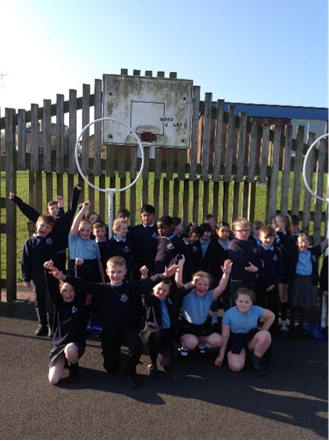
I liked that it was harry potter themed. – Amelia
I liked how we got to play quidditch with three different balls, just like they do in the books and films. – Charlie
I liked being outside with our friends and working as a team. – Daniel
Science
As part of our magnets and forces unit, we tested how much friction each material would create. We tested that by releasing a toy car from the top of a ramp and timing how long it would take for the car to reach the finish line. The material that created the most friction was hessian because it has a rough texture and therefore the car took a longer time to reach the finish line.
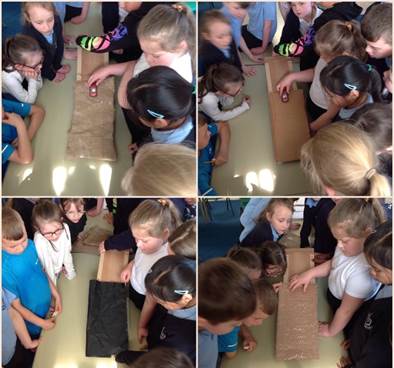
I predicted that the hessian would create the most friction and the car would take a longer time to reach the finish line, and my prediction was correct. - Harrison
Spring 2 Week 5
RE
Year 3 have been learning about the Easter story this term. Our lesson this week focused on Palm Sunday, which is celebrated each year by Christians. The class discussed how Christians believe that Jesus arrived in Jerusalem to celebrate Passover, entering the city riding a donkey. He was greeted by a crowd acclaiming him by waving palm branches and laying cloaks on the ground to honour him. Year 3 wrote poems to describe this event and performed them for the class.

People set palm leaves and their clothes down on the street so Jesus, riding the donkey through Jerusalem, would not need to touch the floor as they believed he was too holy. – Charlie
Christians celebrate Palm Sunday to remember a joyful time during the Easter story. Crowds gathered along the street to wave palm leaves and sing and cheer to Jesus. – Kashana
The crowds were confused because they expected Jesus to arrive on a horse because he is so special, but he arrived on a donkey because he wanted to show that he was not better than anybody else. – Archie
Christians still use palm leaves on Palm Sunday and some places have festivals where they walk through the street and wave palm leaves in the air and some churches make symbols of the cross using palm leaves – Lana
Mother's Day
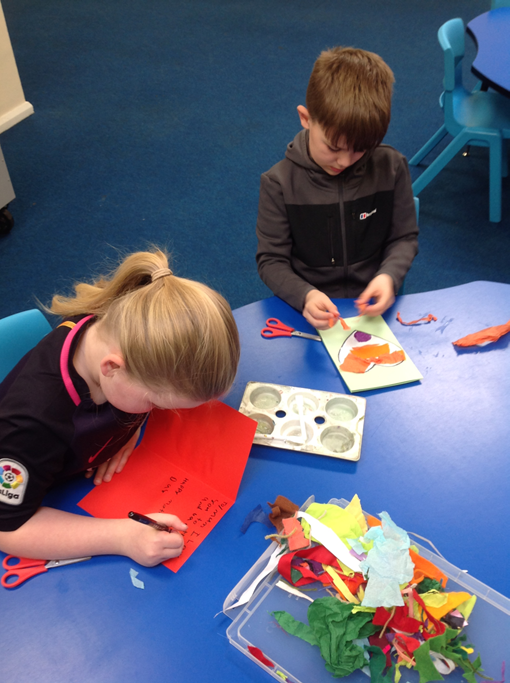
We have been celebrating Mother's Day this week by creating cards to thank our lovely mums and all the maternal figures who play important roles in our lives.
Spring 2 week 4
History
This week we have been exploring the ancient Egyptians. We started our unit by investigating an artefact. Year 3 worked in groups and asked questions about the ancient Egyptian shaduf painting. They discussed what they could see and what period of time they believed it was from. As a class, we also discussed the definition of an artefact and the difference between primary and secondary historical sources. The class then placed Ancient Egypt in a timeline and located Egypt and the River Nile on a world map using atlases.

The River Nile is in Africa, and it flows through 11 countries, including Egypt. – Shaheer
Ancient Egypt came after the Stone Age and was happening at the same time the Iron Age was happening in Britain. – Kashana
Ancient Egyptians created the first type of paper from a papyrus plant that grew along the River Nile. – Daniel
The Egyptians created a solar calendar to help split the seasons, with different months. – Lyric
The ancient Egyptian civilisation began 5000 years ago and lasted around 3000 years. – Charlie
Pharaohs were kings and women could also be pharaohs, and the ancient Egyptians believed that pharaohs were gods on earth. They believed in over 2000 gods. – Bella
When pharaohs and special people died, they would wrap them with cloth. This was called mummification. They were then buried in coffins inside tombs. They would take all their most special possessions with them as they believed they might need them in the afterlife. – Skye
Maths
As part of our volume, capacity and mass unit, we have been focusing on measuring mass this week. This lesson allowed children to use and apply their skills and knowledge to estimate and measure the capacity and volume and apply them to estimating and measuring mass. We explored familiar amounts of everyday objects such as a 400g tin or a 1kg bag of sugar, to help them estimate the mass in a range of differently shaped and sized objects. They were then able to accurately measure (to the nearest 10g) revisiting their skills from place value related to reading scales in different steps.

I liked estimating the mass of each object before measuring them and seeing how accurate my estimations were. – Bella
There are 1000g in a 1kg. You can buy bags of sugar from the shop that weigh 1kg. – Harrison
Once we had a list of our estimations, and the actual mass of each object we could work out the difference between them. – Shaheer
Spring 2 Week 3
Science Week
This week we have been celebrating science week! We have been learning about how to look after our planet and become eco-warriors. As we have been learning about rivers in our English lessons and the River Nile in Geography lessons, we decided to focus on water pollution and how humans are affecting our planet. We learned the lyrics to ‘SOS from the kids’ and enjoyed singing it as a class. We also created posters to spread awareness about water pollution and wrote open letters addressed ‘Dear world’ to capture the attention of everybody, to help stop water pollution and save our rivers!

We must help save our planet and save our rivers because some people are still dying from drinking dirty water. – Lyric
Water pollution can harm animals because people are littering plastic and this means some animals in rivers and oceans are eating the plastic and becoming very ill, and sometimes they can choke on the plastic. – Paisley
Cruise ships in the River Nile can leak oil and this can poison the fish that live in the river. People who live in Egypt rely on the river for drinking water and fishing. If they eat the fish that are poisoned, they could become sick too. – Bella
We learnt about the 3 different types of pollution, which are land pollution, air pollution and water pollution. They are all polluting the earth and we must try to protect the world because we only have one earth, and we must look after it. – Charlie
English
Year 3 have begun their new book Jemmy Button by Alix Barzelay. The class have been enjoying using role play to explore vocabulary. The children ‘stepped inside’ the setting images and reflected on what they might see and hear, such as the different noises of the tropical forest or the colours of the fish in the ocean. The children reflected on their feelings through miming and offered explanations of what they saw to their peers. The children then imagined that they were Jemmy Button and how it would feel to live in a jungle and have no idea what a city is like. Year 3 worked in groups to write down all the nouns they could see and use adjectives to describe them.
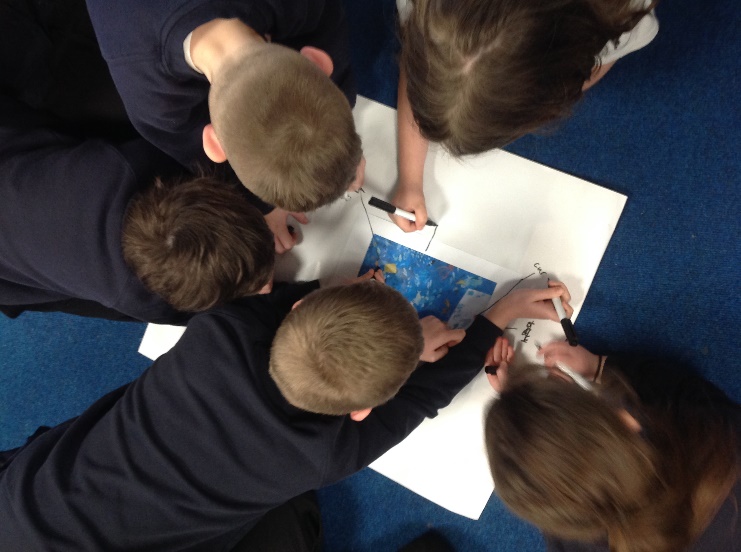
Year 3 have written their poems based on an illustration from the book. They focused on the part in the story were Jemmy travels across the ocean for the first time and looks out at the bright, colourful fish swimming by. Year 3 performed their poems, adding actions to develop their performances. The children worked hard to consider how to use their voices to add intonation and emphasis to the lines of the poem.

Spring 2 Week 2
World Book Day
Year 3 enjoyed dressing up as their favourite book characters to celebrate World Book Day! The children enjoyed acting in the roles of their characters and bringing them to life. Year 3 loved talking about their favourite books and discussing why they enjoy particular genres of writing.
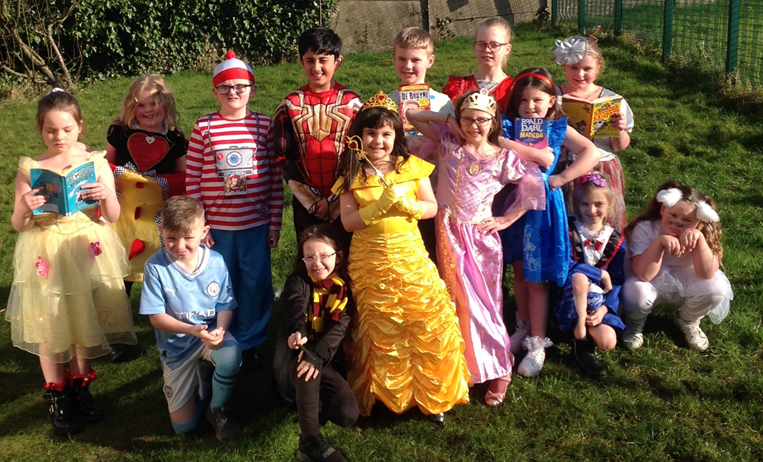
I like to read comic books about Minecraft. – Jimmy
I like to read books about football because I love football, I play for two teams and my favourite football player is Ronaldo. – Charlie
My favourite books are fiction books about princesses, princes and dragons because I like to imagine the setting in my mind. When you read, you can feel like you are the main character in the book. – Kashana
I like Road Dahl books because they are usually quite funny, and he describes the characters well so you can imagine them in your mind. – Lyric
Oracy
Here at Meadowhead, we want to encourage our pupils to be confident, articulate speakers as well as active listeners, allowing them to communicate their own ideas and opinions using rich vocabulary to express themselves effectively. As part of our oracy journey, Year 3 have participated in some activities focusing on anti-racism. Statements were displayed on the board to spark debate around the classroom and the children were encouraged to share their thoughts and opinions, stating whether they agreed or disagreed with these statements, using sentence stems to support their answers. Year 3 also took part in Socratic Talk, whereby an outer circle of children observed an inner group of children, discussing their thoughts on an anti-racism video they had just watched. The outer group observed their partners and offered them feedback, focusing on volume and clarity of speech, body language, and content of answers given.
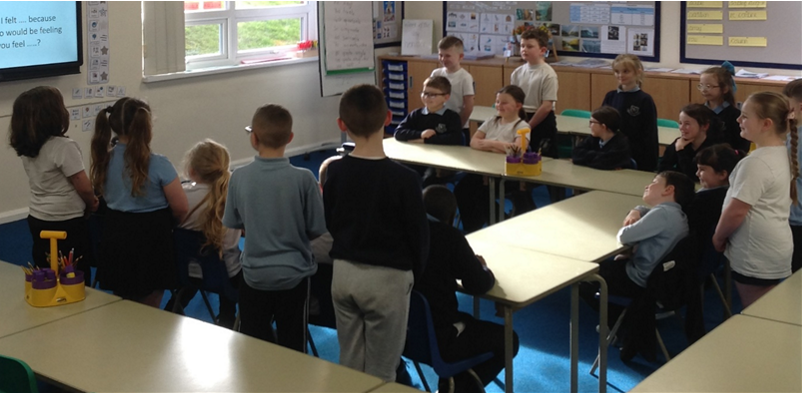 We watched a video about a boy being bullied and older boys were being racist towards him at a football club. It is not kind to treat somebody differently because they have different colour skin to you. Although, I feel proud of him that he was brave and stood up for himself and told the football coach. – Lyric
You must be kind to all people. Calling somebody names is unkind. – Grayson
The boy in the video stood up to racists by telling an adult about what they were doing and saying, and he also joined the equality council at his school. – Layton
Being racist can hurt people feelings and that is unkind. If you see somebody being racist, you should tell a trusted adult. – Isla
You should not be racist because it is unfair, and you should treat people how you would want to be treated. It doesn’t matter if somebody has different coloured skin, how they look, how they dress, how they talk, what they language they speak, where they come from, what religion they follow, you should always respect people. - Shaheer
I liked that we were able to use the sentence stems to share our ideas with the class and give feedback to our friends on how well they did whilst speaking. – Amelia
When giving the feedback to our friends, we told them things they could work on like working on their vocabulary, adding detail, moving their hands out of the way of their mouths. – Kashana
Some other feedback could be to speak loudly and confidently and sitting up straight so we can project our voices clearly. – Skye
Practising our oracy skills is important because when we grow up and get jobs, we need to be able to speak confidently and share our ideas respectfully so other people can understand us. – Shaheer
Stay and Read
Our stay and read session looked a little different this week as many of our families enjoyed our arts and crafts event. Children brought along old t-shirts to decorate with book characters, key words, pictures, paint and accessories, in preparation for World Book Day. It was lovely to see so many of you expressing your artistic side and sharing your favourite books and characters with others!
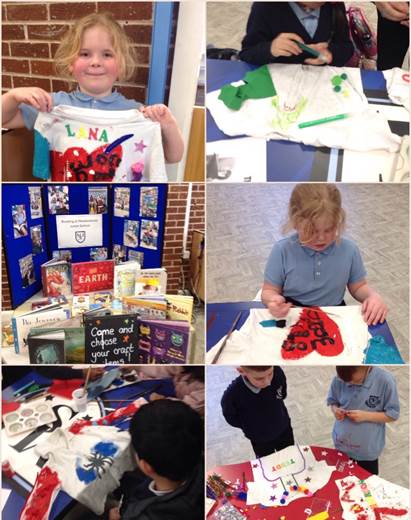
I made a Queen of Hearts t-shirt because she is my favourite character from the book Alice in Wonderland. – Lana
I liked using the pipe cleaners, pom poms, paints and pens to create my Spider Man t-shirt. I also enjoyed inviting my mum and sisters to come in to school. They got to see my school and do a craft activity with me. – Shaheer
Spring 2 Week 1
Maths
This week Year 3 have started their new unit of fractions! The class have been linking their understanding of fractions to division, identifying the relationship between the denominator and the number of groups. Year 3 worked with partners to use concrete materials and share them equally between each group. They then used this model to find unit fractions and non-unit fractions of amounts.

You need to look at the denominator to see how many equal groups you will need. Then, you need to look at the numerator to work out how many groups you need to highlight. We can highlight them by drawing a circle around how many parts the numerator is. – Kashana
A unit fraction is a fraction that has 1 as the numerator. A non-unit fraction is a fraction that has any other number but one. – Charlie
English
It’s writing week! Year 3 have been busy writing paragraphs for their information leaflets about rivers. They have focused on including the features of an information leaflet, such as a heading, subheadings, paragraphs and questions. The class worked hard to collect accurate and factual information they wanted to include in their leaflets. This week they have focused on what a river is and how they are formed.
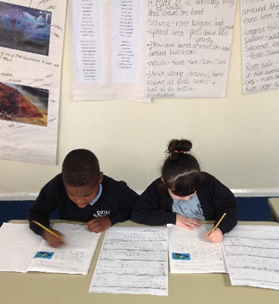
I have written about the source of a river in my writing. The source is where the river begins. Rivers begin at the top of mountains and hills, and they flow downhill because of gravity. – Lyric
The mouth of the river is where a river meets another river, a lake or the sea. - Paisley
A river flows through the channel, has banks on either side and a bed at the bottom. – Shaheer
You must never jump into a fast-moving river as the current could be strong and pull you downstream. – Skye
Science
We have started our new science unit this week, focusing on forces and magnets. Year 3 have been exploring magnets and discussing what they have observed. They have also learnt about magnets having two poles and make predictions about whether two magnets will attract or repel each other, depending on which poles are facing.
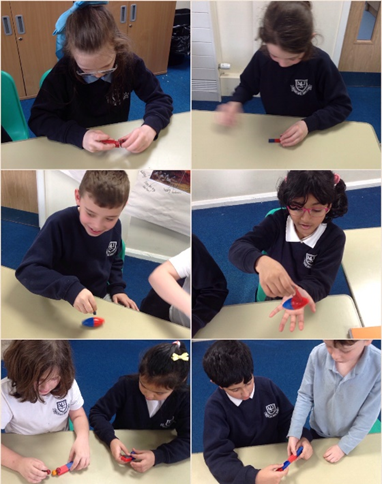
When two of the same poles meet, they push away from each other. So, when the north pole of a magnet is placed near another north pole of a magnet they repel. – Paisley
When two of the same poles are repelling, it feels like they are pushing each other away. – Kashana
If a south pole and a north pole are placed near each other, they will attract each other. Opposites attract – Layton
There are different types of magnets. There are horseshoe magnets, bar magnets, disc magnets and ring magnets. – Charlie
Spring 1 Week 6
Behaviour Treat
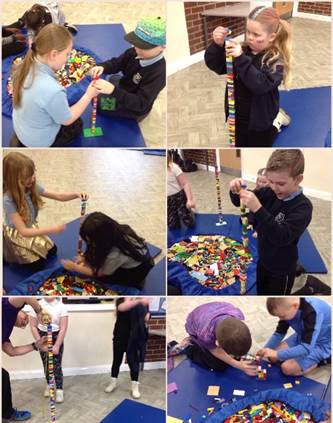
This week the children were not only celebrating Break the Rules Day, but they were also met with a hall full of Lego as their behaviour treat for this half-term. Year 3 were set a challenge to build the tallest tower that could stand by itself, without being propped up. The class used their teamwork skills to create their towers and had fun strategising which kind of structure would work best.
Geography
During our Geography lessons we have been researching how the River Nile is used today. The class worked in groups to cover different topics such as tourism, trade, farming and transport. They then confidently presented their findings to the class.

Did you know beans, cotton, corn and sugar cane all grow along the River Nile? – Carter
The River Nile is still used as a transportation link for trade because it connects Africa to the Mediterranean Sea and Europe. – Charlie
Art
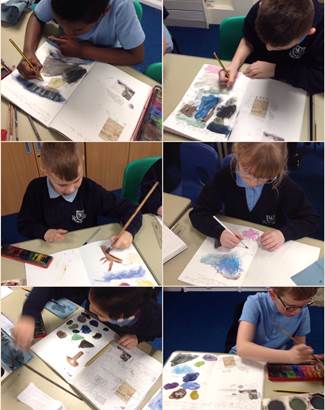
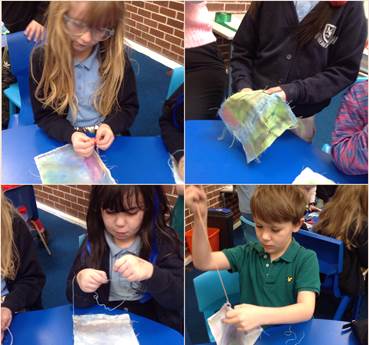
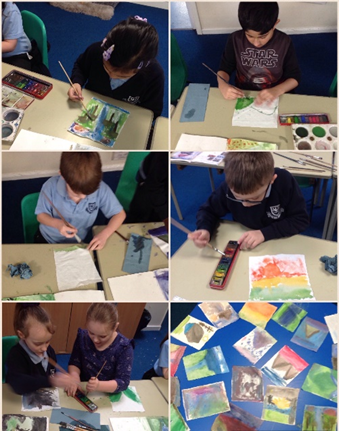
This week we have been creating our final pieces of artwork. The class worked hard to sketch Lake District landscapes and then transferred their ideas to cloth. They then practised running stitch and back stitch. Once the class had practised this skill, they added texture to their landscapes by sewing.
English
This week, Year 3 enjoyed exploring technical vocabulary through role play. We discussed how we would need to practise using technical vocabulary in order to present true facts in our information leaflets about rivers. Following a research lesson to collect these facts, we worked with partners to use the technical vocabulary we had collected and spoke these aloud with a partner. We then watched some short videos of nature narrators describing rivers and waterfalls before we acted as nature reporters ourselves, exploring some of the incredible wonders of nature.

Spring 1 Week 5
Art
During our cloth, thread and paint unit of art, we researched two textile artists, Alice Kettle and Hannah Rae. Year 3 have enjoyed exploring their artwork and sharing their thoughts and feelings on each piece. We then added the information we had learnt about them, along with some examples of their work to our art scrapbooks.
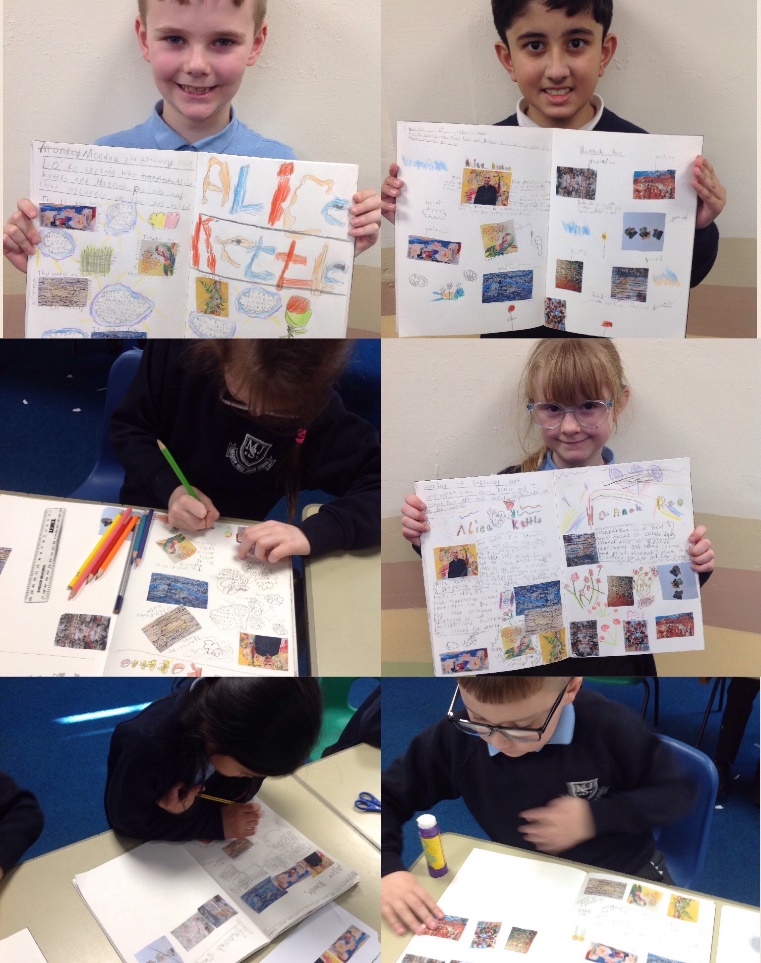
Alice kettle and Hannah Rae are both textile artists from the UK. Alice is from Somerset and Hannah is from Cambridge. – Daniel
Alice Kettle paints a piece of fabric first, then she stitches on top to add images. She merges humans and plants together. – Kashana
Alice Kettle makes her own clothes, and her mum taught her how to sew. - Brooke
Hannah Rae used to be a fashion designer before she became an artist. – Amelia
NSPCC Number Day
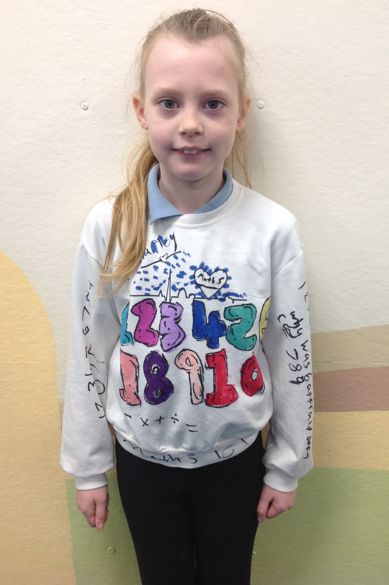
Today we have been celebrating NSPCC Number Day. We have relaunched our TT Rockstars competition across school and Year 3 have enjoyed competing against each other to recall their times tables quickly and accurately. Year 3 have enjoyed participating in some fun mathematical activities to encourage their love for learning. They have worked hard practising their multiplication and division Harley even made her own number jumper to mark the occasion!
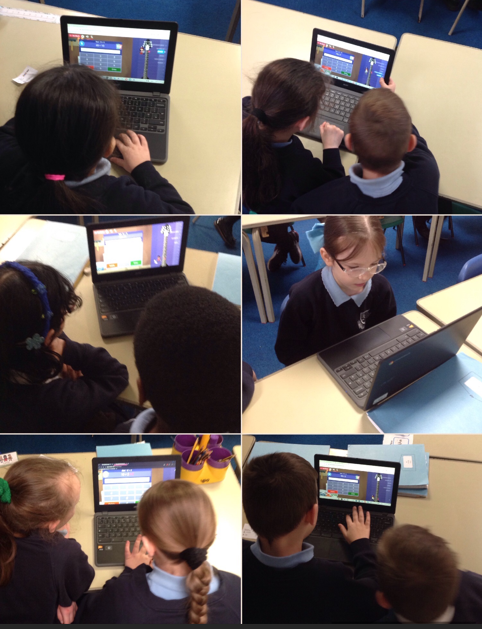
I liked playing on multiplayer because I had the chance to challenge Charlie. I am going to practise my 8 times tables when I get home. – Layton
I liked battling Archie because I found it fun to work as quickly as I can. I am going to practise my 6 times tables. – Amelia
I am going to focus on getting as many questions correct as I can. Theres no point being the quickest if your answers are incorrect. – Brooke
My aim is to play TT Rockstars at home everyday so I can become better at my times tables. – Harley
Science
As part of our human body unit in science, we have carried out our own scientific experiment by conducting a fair test. We intended to find out if people with longer legs can jump further. To make it a fair test, we kept everything the same, the person taking the measurements, the starting point and the metre stick we measured with. The one thing we changed, was the person jumping. We picked Charlie, whose legs measured 79cm and Skye whose legs measured 75cm. Charlie jumped 3 times, and his average distance was 189 cm. Skye also jumped 3 times, and her average distance was 141cm. In conclusion, we found that the longer the legs, the further the jump.
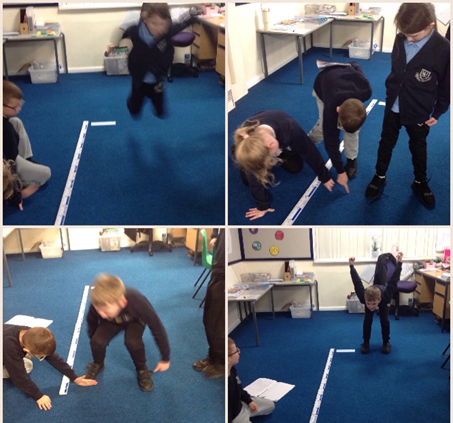
I’m not sure this test was fair because Charlie already has strong legs because he does a lot of football training. He might have been able to jump further because he has stronger legs, which has nothing to do with the length of his legs. – Daniel
Well Skye goes to gymnastics, so her legs will be strong too. If we did this test again, maybe we should have a girl jumping with another girl and a boy jumping with another boy. – Brooke
I don’t think it matters how long your legs are, we watched a video and the person with the shorter legs jumped further. So, I think the further you jump is based on the strength of your legs and not the length of them. – Shaheer
English
In our English lessons, we are now focusing on a new unit. Our new writing purpose is to inform, and our outcome will be to create an information leaflet about rivers. This week, we have used laptops to research why rivers are useful and to find out some interesting facts which we can add to our plans next week.
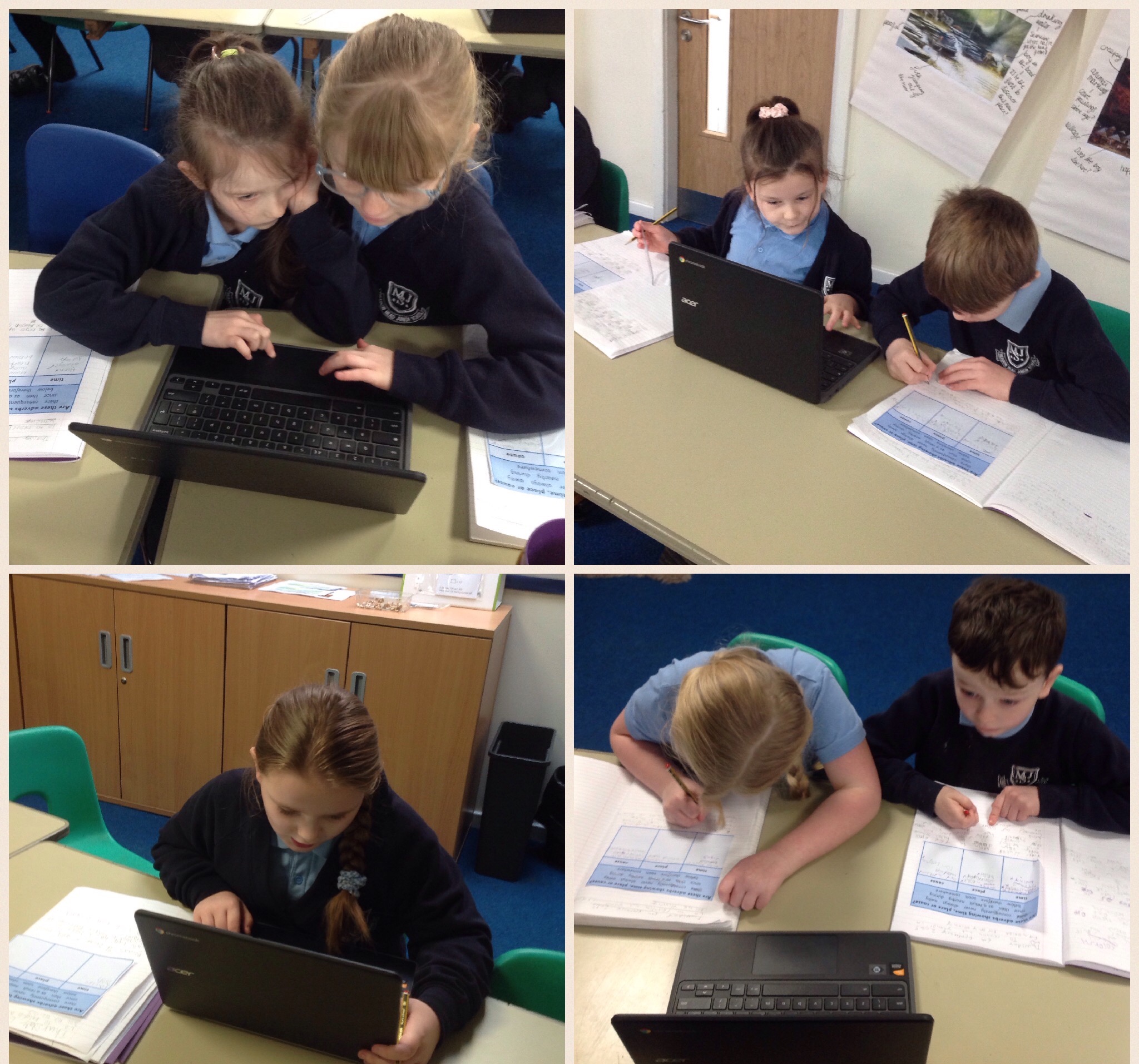
The deepest river in the UK is the River Thames. – Amelia
The end of the river is called the mouth. – Shaheer
The River Congo is 220m deep in some places. – Charlie
The River Severn is the longest river in the UK. – Harley
Gymnastics
Coach Catherine selected Lyric to represent Meadowhead Junior school at a local competition, as she was impressed with her efforts during an after-school gymnastics club. She really enjoyed the event and looks forward to attending more in the future. Lyric was awarded 2 Value Victor dojos as she was demonstrating the value of kindness and friendship by cheering on and supporting her friends. Well done Lyric, 3B are so proud of you!
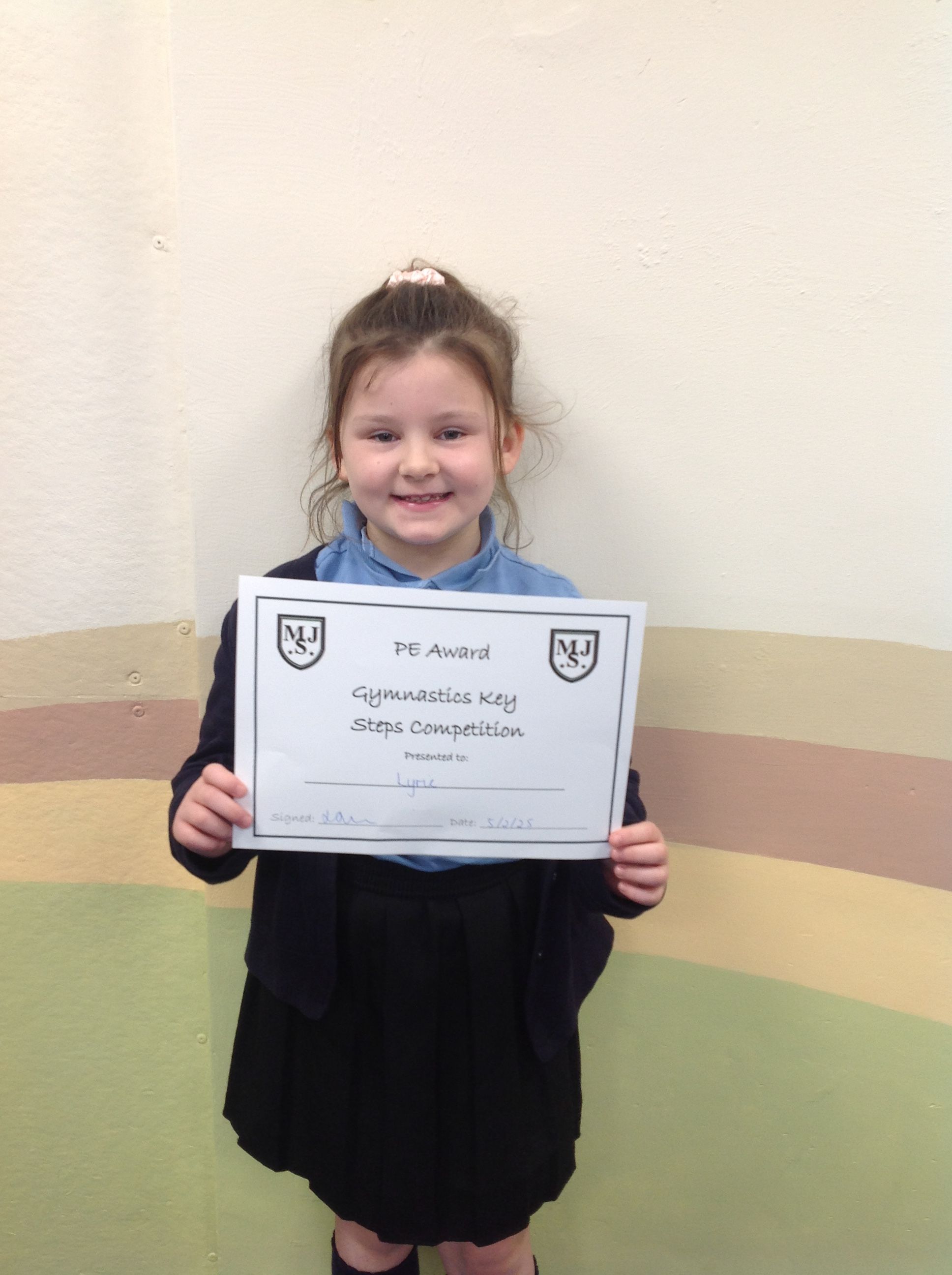
During my performance, I did a cartwheel, a backwards roll and a pike. I really enjoyed clapping for my team and all the other teams because everyone tried so hard. – Lyric
Spring 1 Week 4
3B Class Assembly
Year 3 performed their class assembly on Chinese New Year. They enjoyed sharing information about some Chinese traditions and ways in which people celebrate this special time of year, all around the world. Lunar New Year, also known as Chinese New Year, is celebrated over multiple days and marks the beginning of the coming 12 months on the traditional lunisolar calendar. In Chinese tradition, each year is represented by one of 12 zodiac animals. This year welcomes the Year of the Snake, representing adaptability and resourcefulness. Year 3 enjoyed learning about the oldest traditional festival in China and loved learning about the dragon dance, in which performers mimic a dragon's movements while in a dragon costume. Of course, we had to include this in our assembly too! Year 3 also discovered that many existing customs and activities of the festival can be traced back to The Legend of Nian, which helps to explain why and how the festival is celebrated. The class shared the legend of Nian during their performance, with some children taking on the roles of characters from the tale. The class worked extremely hard on rehearsing their lines and actions and this paid off on the day, as each child spoke confidently and clearly. Well done 3B!
The wise man told people the three secret weapons to keep Nian away, items that are red, bright lights and firecrackers. That’s why people keep their lights on Chinese New Year’s Eve and hang up red lanterns and set off firecrackers, to protect themselves from Nian. – Charlie
Geography
This week Year 3 have focused on deciding whether the River Nile is still important today. They worked in partners and researched the River Nile, focusing on farming, trade and jobs. The children looked back on how the River Nile was used during the ancient Egyptian period and how the fascinating river remains an invaluable source of life for Egyptians today.
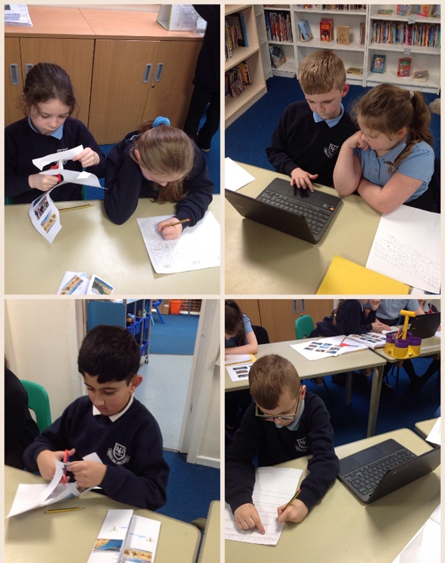
The river Nile is still important today because it helps feed the people who live around it because they can fish in the water and grow crops in the fertile soil. – Amelia
The river Nile is the longest river in the world and travels through 11 countries. – Paisley
Some people argue that the Amazon River in South America is the largest river in the world. – Bella
Spring 1 Week 3
Maths
This week Year 3 has started a new unit of Place Value, Addition and Subtraction. They have used base ten equipment, to add multiples of 10 to a given number with up to three-digits crossing the hundreds boundary. They were able to represent these calculations using concrete materials and identify what changes had been made and why.
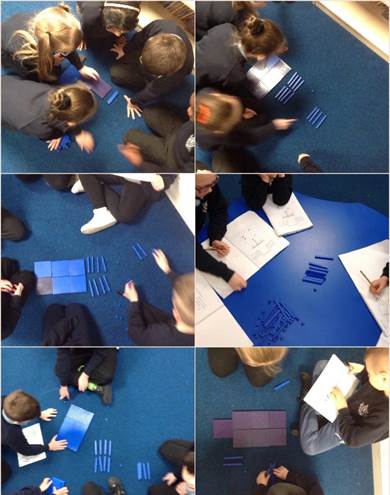
If you need to take away 30 and you don’t have enough tens in the tens column then you must exchange 1 hundred for 10 tens. – Brooke
Geography
During our Geography unit, Year 3 have been learning about rivers. They identified each stage of the water cycle and discussed features of a river. The class have been finding famous rivers on a world map, using atlases. They were able to identify the seven continents and spot the famous rivers that exist within them.
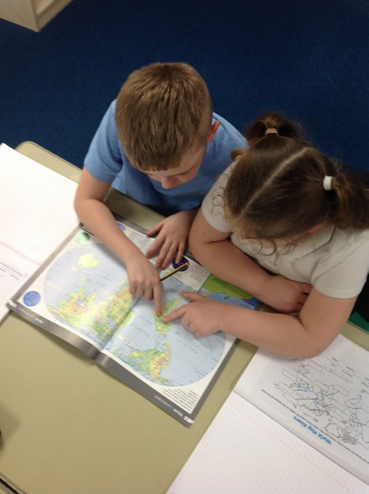
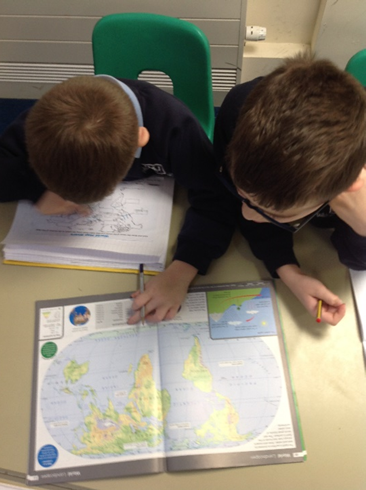
I found the River Nile in Egypt using an atlas. Egypt is part of the continent of Africa. – Charlie
English
This week we have been creating plans to help us write our setting narrative next week. The class have been brainstorming their ideas and carefully selecting the language they want to include in their own writing. As a class, we have created a success criteria that each child will use to remind them of what to include in each part of their narrative.
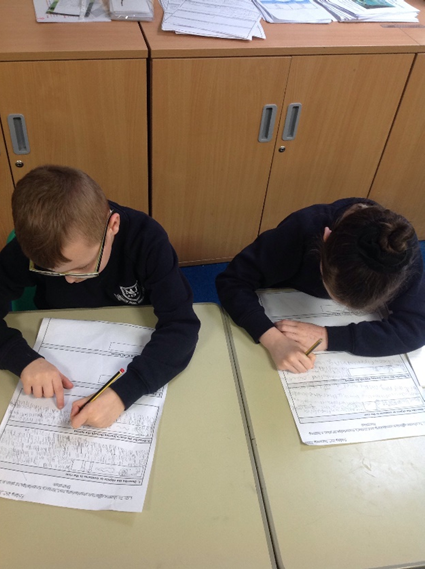
I have included 3 prepositions in part one of my plan to show the reader where each object I am describing is. – Lyric
I have used a simile to describe the trees, as tall as a group of giants and a kenning, describing the river as a water bender. – Skye
Spring 1 Week 2
English
Year 3 worked in groups, exploring the illustrations from Rhythm of the Rain, using sculpture to recreate the settings using their body shapes. One or two children from each group acted as sculptors, to shape the rest of the group to reflect the scene. Some children acted as rivers, animals, rainbows and bridges. As the children showed their sculptures to the rest of the class, we discussed words we could use to describe the setting and then added them to group flipcharts.
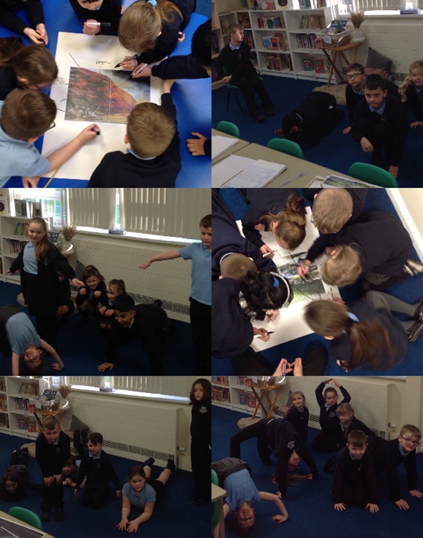
I enjoyed working in a group and letting the rest of the class determine who each person was from the illustration. I was the boy running over the bridge. – Amelia
I liked describing the pictures and using ads many adjectives we could think of to describe the different settings. – Isla
I liked that we had an active lesson, and we could move around our classroom and base 3 area, writing on different sheets of paper on different tables, getting down on the floor to write and creating different shapes with my body. – Kashana
French
This week the children have been learning how to say different colours in French. The class have enjoyed practising these words with their partners and have been working hard on the correct pronunciations.
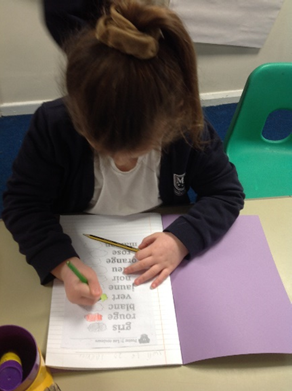
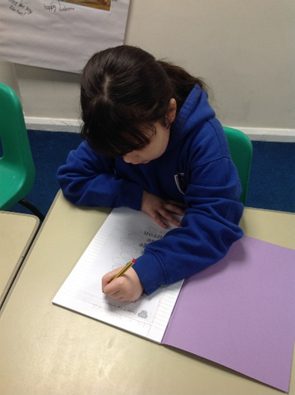
I like that we are learning a new language. I might be travelling to Paris soon, so I will be able to practise my French when I am there. – Lana
I like that we get to have a conversation with our friends in a different language. – Shaheer
Spring 1 Week 1
English
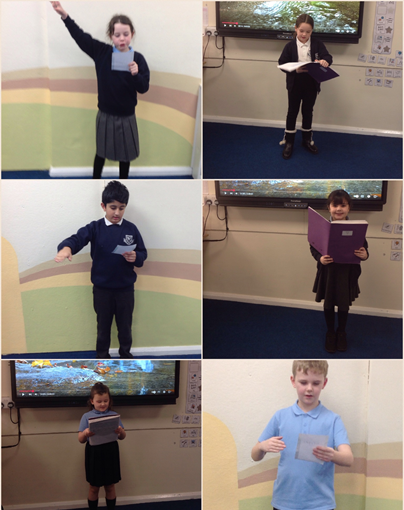
Today, Year 3 performed their kenning poems about rivers, adding actions to develop their performance. The children practised using their voices to add intonation and emphasis to the poem's lines. Some children even performed their poems for other classes.
Maths
Year 3 have started the new term learning about 3D shapes in Maths. They have been using construction materials such as Polydron to make 3D shapes. They were able to identify and describe the properties of each shape, including the number and the shape of the faces.
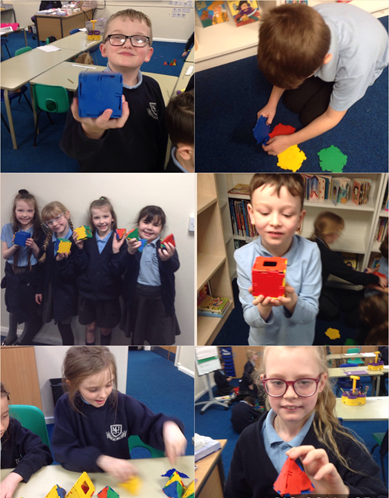
I have made a cube and a cuboid, they both have the same amount of faces but the cuboid has rectangular and square faces and the cube only has square faces. – Arlo
World Religion Day
This week we have been learning about World Religion Day, focusing on the themes of interfaith understanding, diversity and mutual respect. Each day this week, we have built knowledge and empathy through interactive activities, discussions and creative expression. We have been learning about different religions and discussed these as a class. We have also created posters informing people about different religions and written poems related to respecting other people’s beliefs.
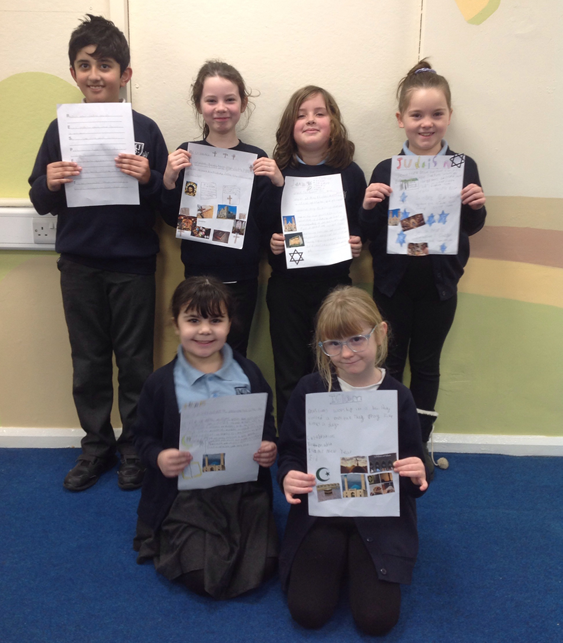
No matter what religion you believe in, or which God you believe in, you should still be kind and caring to other people. – Kashana
It is helpful to talk about your religion and beliefs to other people so that they can understand you more. – Archie
You should respect other people’s religions and their beliefs because it is just as important to them, as your religion is to you. – Charlie
When we learn about other people’s religions, we can understand their beliefs better, and we may become less confused about what they believe in and they can correct any misunderstandings we may have about their religion. – Bella
Autumn 2 Week 8
Christmas performance
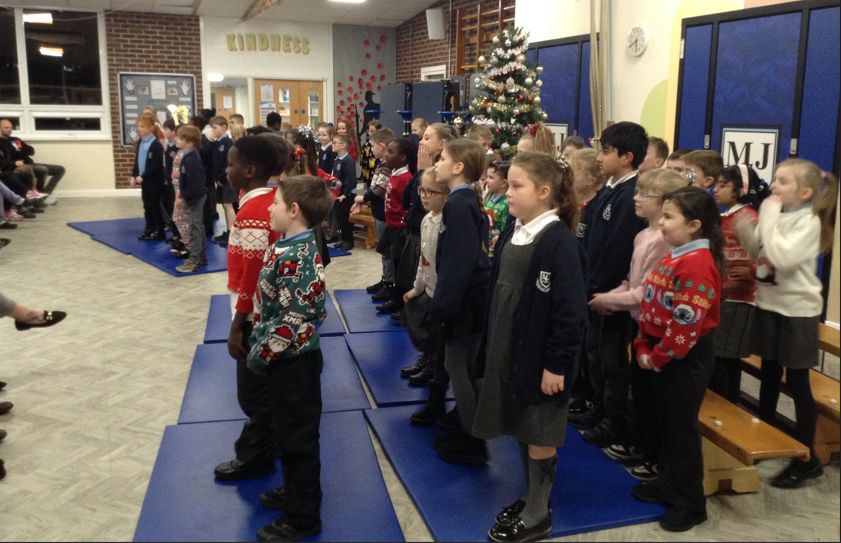
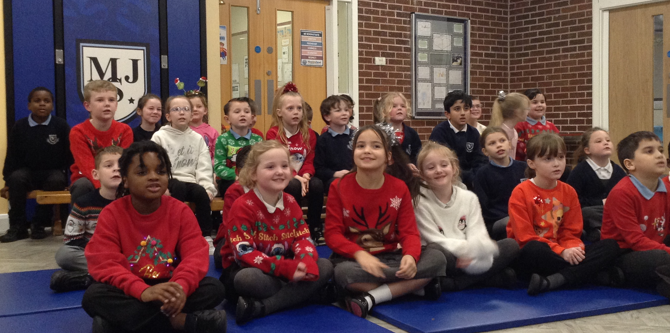
Class 3B performed The First Christmas by Marian Swinger. We discussed the meaning of each verse and the message of the poem. The class enjoyed performing this poem with emphasis and actions. Year 3 enjoyed working collaboratively with 3S and Year 4 to produce a Christmas performance for parents and carers to enjoy.
Behaviour Treat
Year 3 could not believe their luck when they arrived at school on Thursday! They were met with an array of nerf guns, obstacles, glasses and high-vis jackets. The children spent the morning running around the hall, shooting each other (and Miss Barnes) and working in teams. Year 3 have worked extremely hard this term and have truly earned their Nerf War behaviour treat.
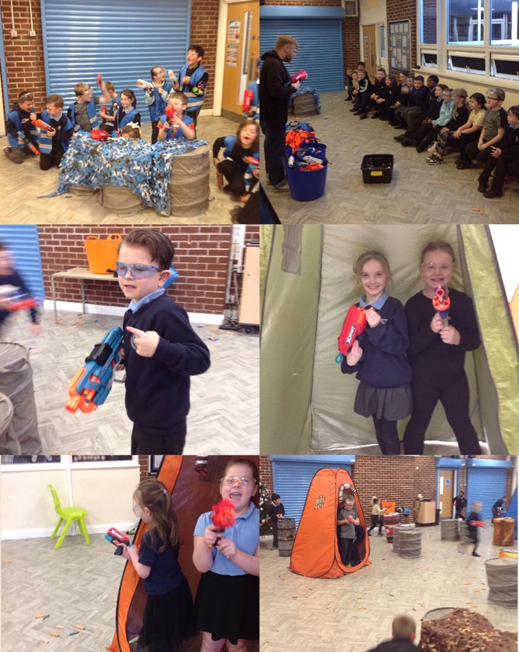
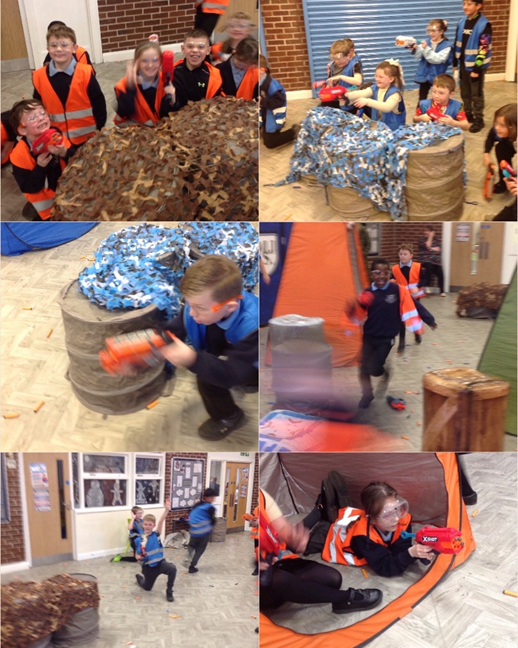
Today was the best day at school I have ever had! I could not believe that we got to have a nerf war. – Jonny
It was the best day ever because we got to spend time doing a fun activity with our friends and teachers. – Archie
Design Technology
Year 3 have been learning about different European dishes during this unit. They have researched Greece’s national dish, and we have decided to make a Greek salad. The class planned their product, created a poster to advertise it and made it. They spent the morning practising how to chop the ingredients safely and enjoyed making their Greek salads. The children evaluated their work and taste tested their products.
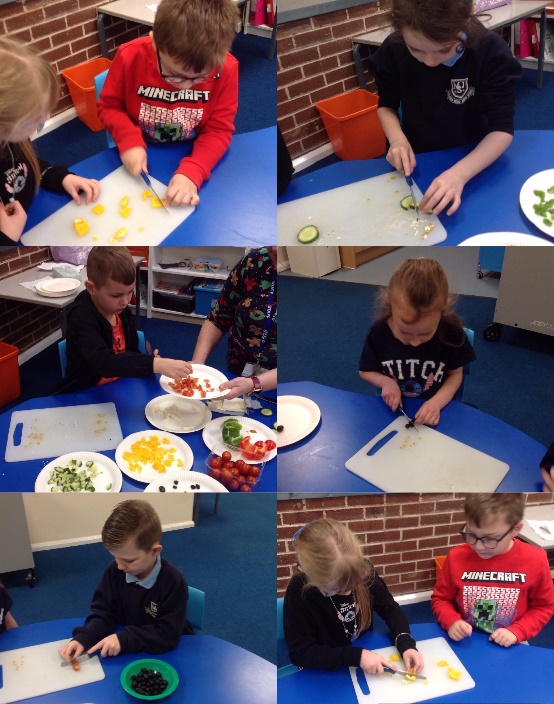
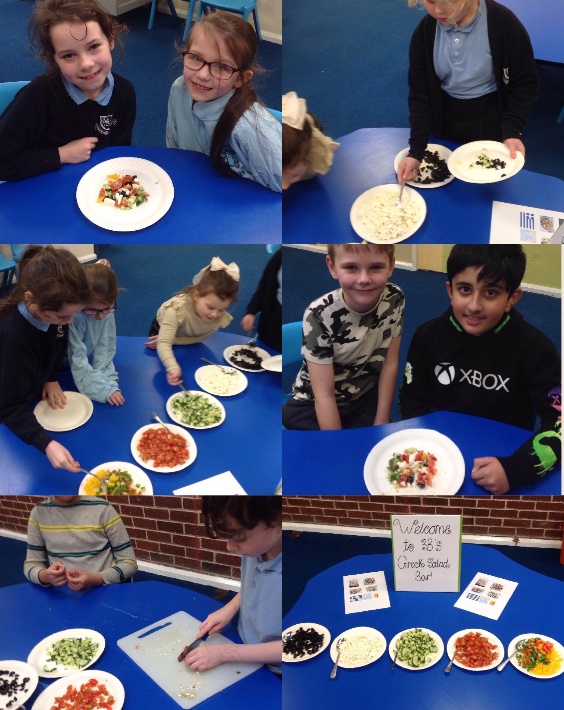
It was so exciting and fun to be able to cook at school – Rahel
I loved how we were able to make our own Greek salads, it was the first time I have made a salad. I liked tasting the tomatoes and cucumbers, but I didn’t like the olives. – Charlie
I enjoyed cutting the food, I tried to cut vegetables in small cubes so the salad would look appetising. – Shaheer
I was surprised I really liked the olives. I have never seen or tried one before – Arlo
Autumn 2 Week 7
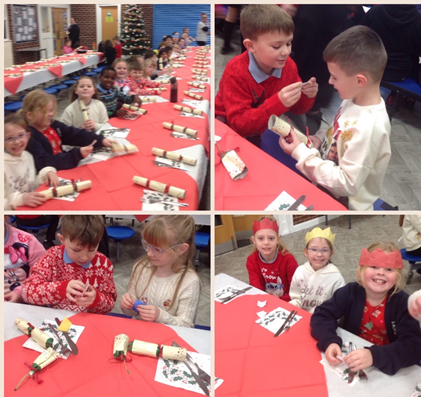
We have had a very busy and exciting week! Year 3 enjoyed a Christmas lunch sitting with their teachers, wearing Christmas jumpers. We also had a special visitor attend our stay and read session. Father Christmas read ‘Twas the night before Christmas’ to us by the fireplace, as we enjoyed hot chocolate and mince pies. The children showed their parents and carers books they have loved reading this term and read some aloud for others to enjoy.
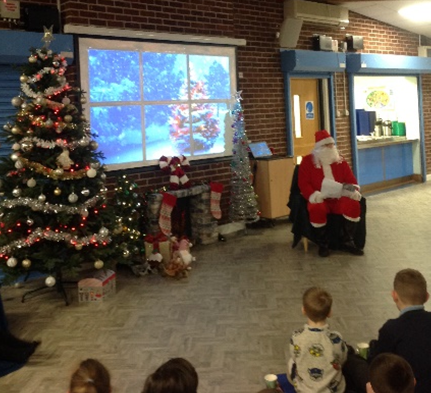
I liked it when Santa and Mrs Blackledge read the stories to us. – Lana
I liked meeting Wordsworth from the library. He gave me a high five! – Charlie
I liked that we got to sit with our teachers for Christmas lunch, and we got to wear our jumpers, so I felt very Christmasy!
Me and Lyric sat next to each other, and it took us a few tries to open the cracker. I got a blue crown and Lyric got a red one. – Kashana
Religious Education
Year 3 looked at a variety of paintings of the shepherds visiting the stable when Jesus was born. These were created by artists from all around the world, and we discussed the similarities and differences between them. We also explored how they made us feel and whether we believed the pictures reflected that they are in the presence of God.
In groups, the class looked at the painting, ‘The Adoration of the Shepherds’ by Guido Reni and recorded 4 things they noticed, and 5 things they thought, discussing questions they would like to ask.
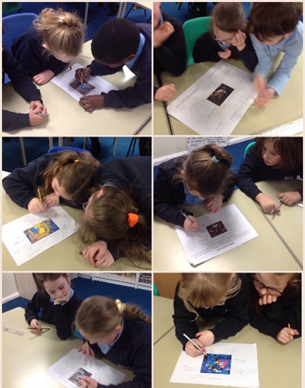
I liked looking at the different pictures and describing how the shepherds must have felt. My group said we think the shepherd would be delighted that they had met the Newborn King. - Lyric
Some of the paintings were different because some had angels and some didn’t have any angels. Some paintings were similar because Jesus was a glowing light in each of them. I think the artists were trying to show that baby Jesus is the light of the world. – Brooke
Jesus is the Newborn King, but he does not wear a crown. – Isla
I think the shepherds felt special because they were chosen to be some of the first people to meet baby Jesus. – Daniel
Pantivity
This week, we paid a visit to Meadowhead Infants to watch a nativity performance. St Andrews church arranged for a production team to perform a pantivity, which the children loved! We watched the story play out from the lens of the innkeepers and learnt an important message of hope and forgiveness.
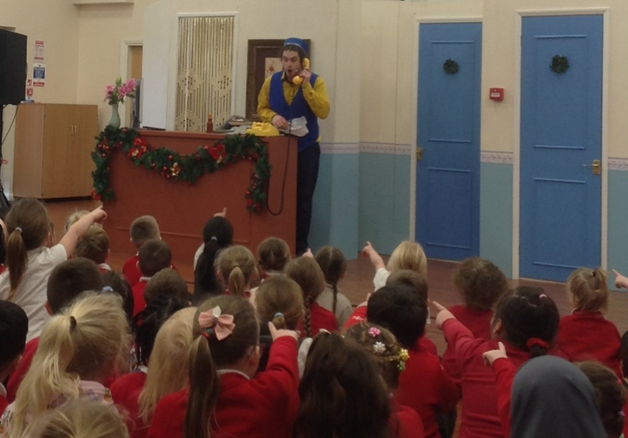
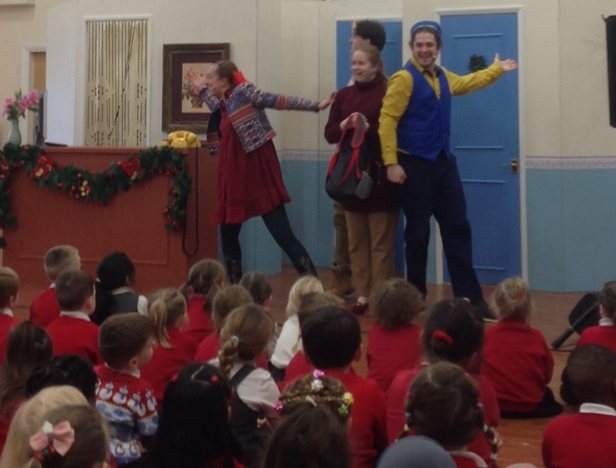
I would like to watch it again because I think the actors did a really good job and I found parts of it funny. – Lyric
Don’t refuse to help somebody when they need it. – Amelia
To show forgiveness. The innkeepers forgave the hotel inspector and gave her a room to stay when she needed it. – Harrison
God sent Jesus to the world, to help other people. – Jimmy
God sent Jesus to be the Newborn King and make the world a better place. – Harris
The birth of Baby Jesus is very important because he grows up to perform miracles and heal people – Layton
Jesus helped a blind person to see. – Jonny
3B Autumn 2 Week 6
Pantomime
This week, Year 3 were very excited to visit Blackburn Empire Theatre to watch Jack and the Beanstalk. They absolutely loved joining in with all the dancing, singing and shouting out!
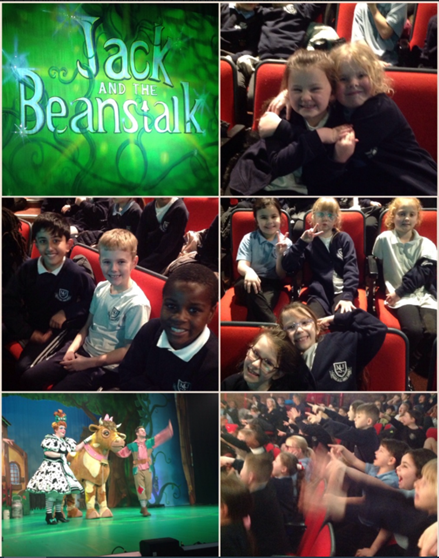
I enjoyed watching the characters and some were really funny. I was excited to spend time with my friends. – Lyric
I liked it when Daisy the cow danced along to the music. Arlo
The witch was funny, because she kept pointing to us. – Layton
Science
Today we were visited by somebody from Blackburn Museum, who brought our topic of fossils and palaeontology to life. The children learnt about different fossils and that there are more than just dinosaurs. They discovered that fossils can tell us about ancient worlds, and Year 3 got to see and handle real fossils for themselves.
The class learnt about Mary Anning and her discovery of a complete skeleton of a plesiosaurus in 1823 at the age of 12. The class enjoyed dressing up as people that were alive during this time and taking part in role play.
Year 3 also enjoyed looking at a range of different marine fossils, and sketched these individually to produce a seascape as a group and made their own model marine creatures.
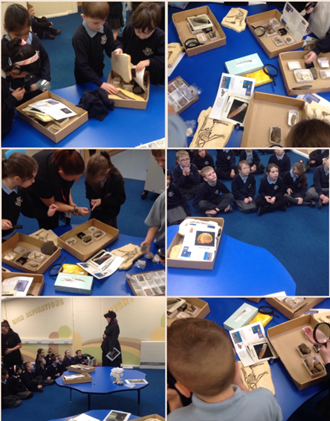
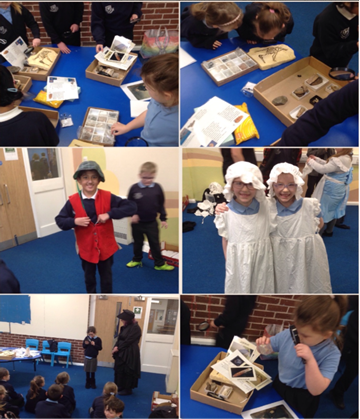
When we were learning about Mary Anning, we learnt that she used to pick shells from the sea and tried to sell them and a kind boy would paint the shells and give some of the money back to Mary – Lyric
Did you know during that time women were not allowed to work, so people would not buy the shells from Mary. – Skye
The famous tongue twister ‘she sells seashells on the sea shore’ was inspired by Mary Anning. – Shaheer
I loved dressing up and learning about Mary Anning. – Amelia
A fossil forms when an animal dies, the hard parts like the skeleton stay behind and it becomes buried by rock and sand. Layers and layers of it build on top and it turns to rock. – Brooke
Design Technology
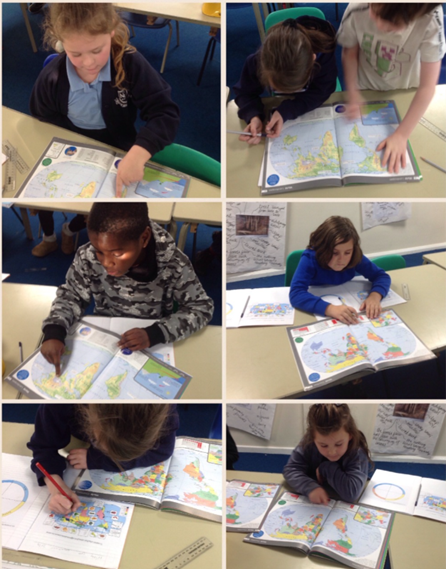
This week we have discovered where in the world different fruits and vegetables come from. We used atlases to look at the world map and label the 7 continents. Then, we labelled some countries and identified which fruit or vegetable grew in which area, relating to the climate
3B Autumn 2 Week 5
English
We have immersed ourselves in the Fox text once more, although this time we have a different writing purpose and outcome. In this unit, the purpose of our writing will be to inform, and our outcome will be an information report about foxes.
The class enjoyed listening to a woodland soundscape whilst we had a scavenger hunt around the classroom, looking for vocabulary words that could describe a fox in a positive or negative way. As a class, we discussed the meaning of each of these words and sorted them into the correct categories. During our lesson, a letter arrived! Year 3 were very excited to receive another letter, and we were surprised to discover, this time, it was from Fox. We read the letter and discussed whether we believed it was true that foxes are always represented as sly and unpleasant and explored examples in books and films where this has happened.
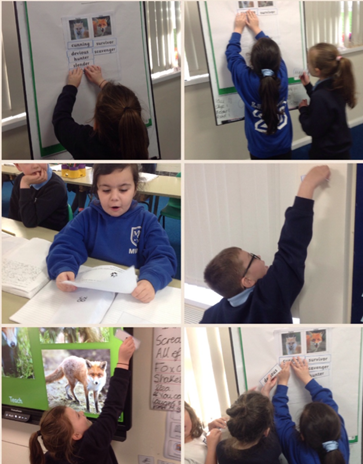
I enjoyed moving around the classroom during the scavenger hunt to find the words to describe a fox. A fox could be described as sly and devious, in a negative way. But it could also be described as graceful and playful, in a positive way. – Lyric
In book, foxes are described as sly and cunning like the fox in Peter Rabbit but in real life, foxes are just animals and not sly. I also liked being chosen to read the letter. I was very excited, and I loved seeing everybody’s reaction. – Kashana
In the gingerbread man story, the fox is also seen in a negative way because he tricks the gingerbread man to take a ride on his back across the river, but instead, he tries to throw him into the air and eat him. – Brooke
Year 3 has also learnt that there has been significant debate about foxes in the UK, with some people feeling that they should be labelled as vermin. While fox hunting is banned in the UK, some feel that this should be allowed again, as it was once traditionally a sport. Year 3 spent some time sharing their initial thoughts on this. We also discussed if we believe whether foxes are dangerous to humans. As part of a drama opportunity, the children took on roles of various members of the public, such as farmers, gardeners and animal protection officers. The children enjoyed creating a debate about these issues, taking turns to verbalise the facts they have learnt to support the different sides of the argument.
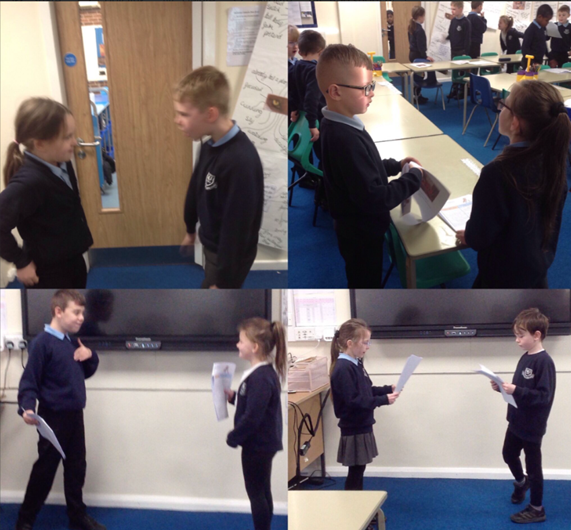
I enjoyed debating and acting in the role of somebody who might think differently to us and have different opinions. We enjoyed it so much that me and Kashana carried on debating about foxes on the yard at break time. – Charlie
Maths
This week we have started our new unit, Time. We have practised counting in 5s with actions to mirror a clock turning clockwise. We also turned the minute hand and hour hand on analogue clocks to show o’clock and half past times.
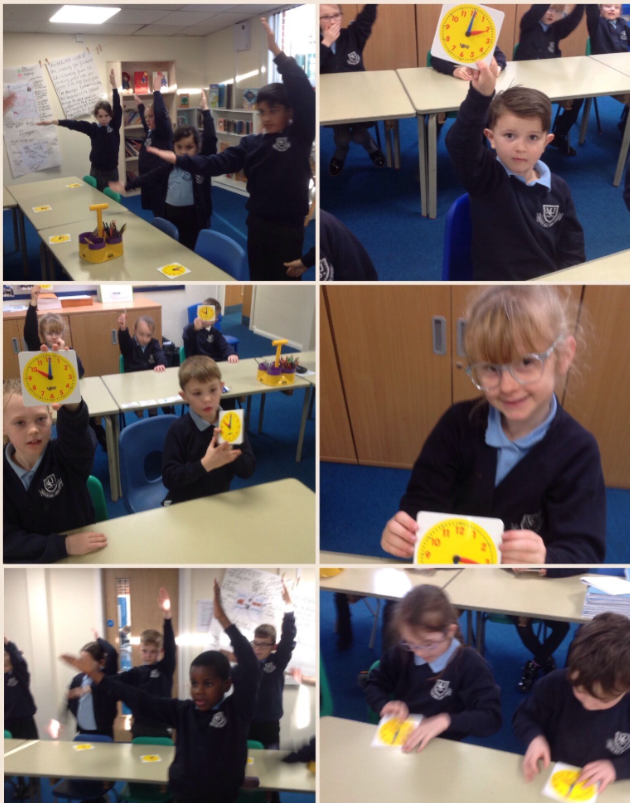
I liked changing the clocks to different times. – Arlo
I like standing up and doing the actions to counting in 5s. – Brooke
Science
Year 3 have been working like scientists by investigating the properties of rocks this week. They conducted a scratch test to assess the hardness of each rock by determining whether a fingernail, nail or other rock would leave a scratch on its surface. They then ordered slate, marble, basalt, chalk and sandstone from softest to hardest. We discussed whether these rocks were sedimentary, metamorphic or igneous and what they could be used for.
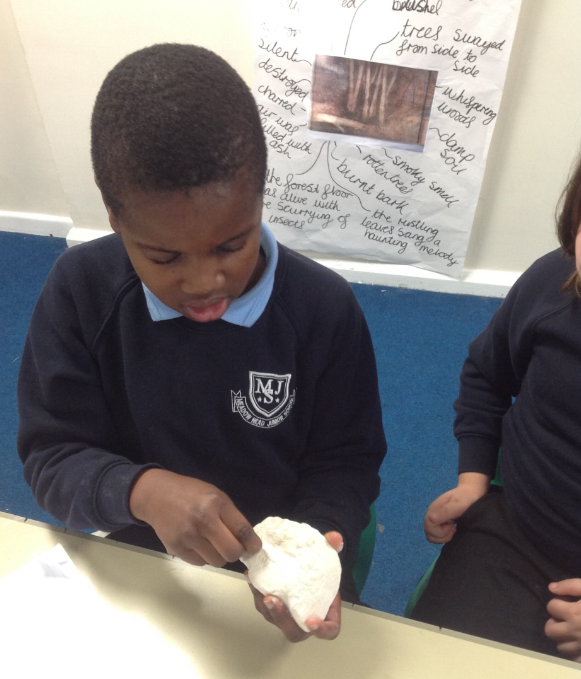
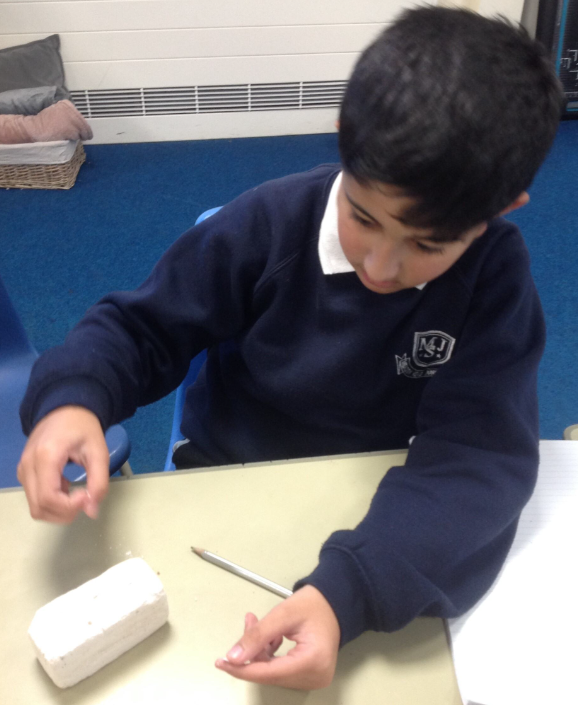
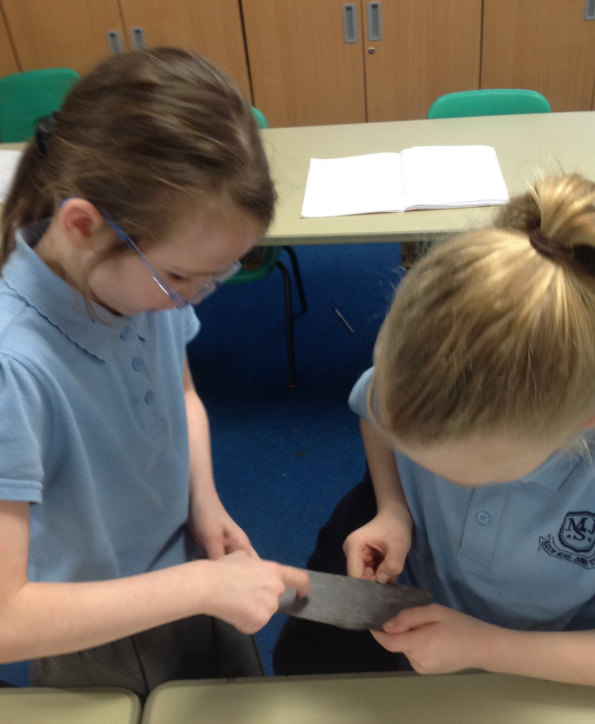
I liked that we were able to investigate how hard each rock was. – Shaheer
I knew when a rock was soft because it would break off, like chalk. – Amelia
3B Autumn 2 Week 4
Phonics
This week we have been practising phase 5 sounds, and we have been reading a non-fiction book called ‘Beetles around the World’. The class enjoyed recalling GPCs, words and tricky words. They have been decoding the words in the book, reading with prosody and using their comprehension skills to recall facts.
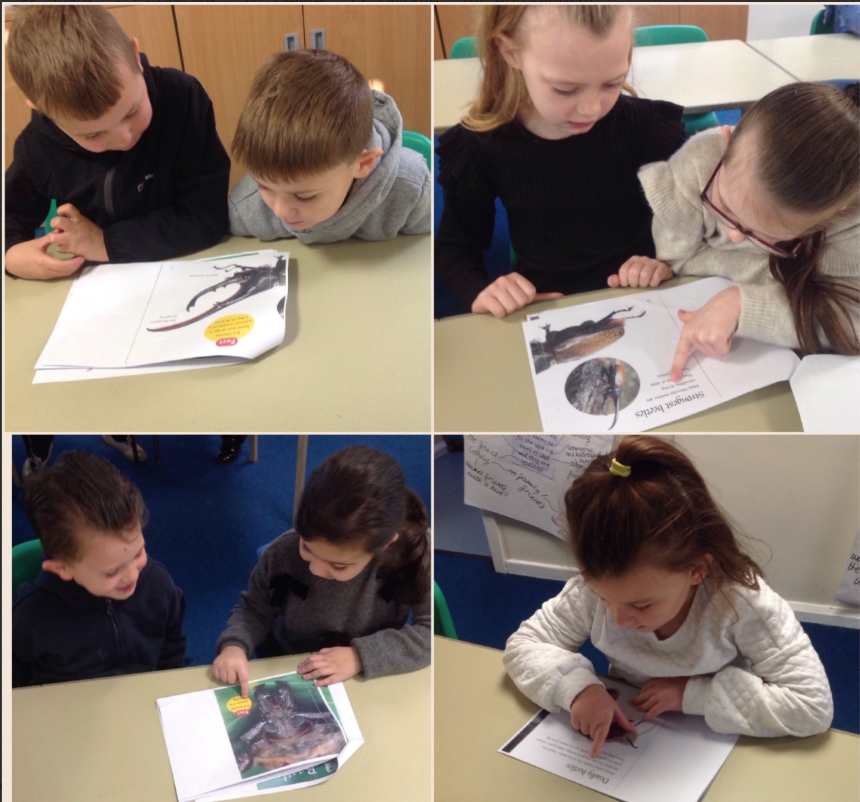
When you use prosody, the reader can make what they are saying more exciting, which is more interesting for the people who are listening. – Kashana
I have learnt that the male Oddest Beetles use their necks to fight. – Charlie
I have learnt that Deadly Beetles get the poison from the plants they eat . – Shaheer
Science
This week we have been exploring how different rocks are formed, and the children enjoyed learning about which types of rock are igneous, metamorphic or sedimentary. The class touched different types of rocks and described their qualities. They then compared the different types of rocks as part of a scientific investigation.
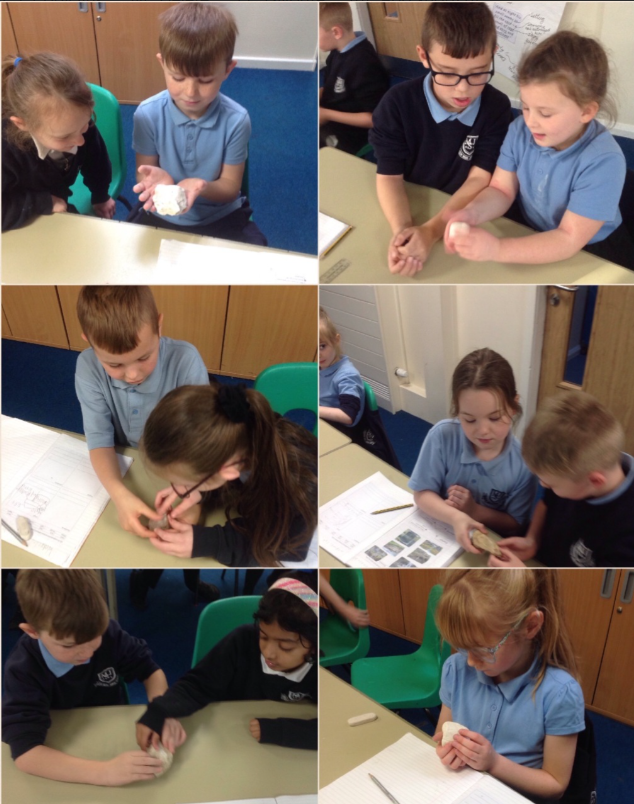
I was very interested in how different rocks are formed and how they are used. – Charlie
I like touching and feeling the rocks, it helped me learn what each rock was called and how they looked and felt. – Brooke
I enjoyed looking at granite as I recognised that rock because I have a granite worktop in my kitchen. – Amelia
The word metamorphic is very similar to metamorphosis. Metamorphic means when rocks change into different types of rocks because they have been put under a lot of heat and pressure and metamorphosis is when a caterpillar changes into a butterfly. They both mean when something changes into something else. – Daniel
English
This week has been writing week! The children have enjoyed exploring our new book Fox and have been writing their own fables using their plans. Miss Barnes and Mrs Rawlings have been blown away with the children’s use of exciting adjectives, similes and alliteration to describe the setting and main characters. We have also been impressed with the accurate punctuation being used.
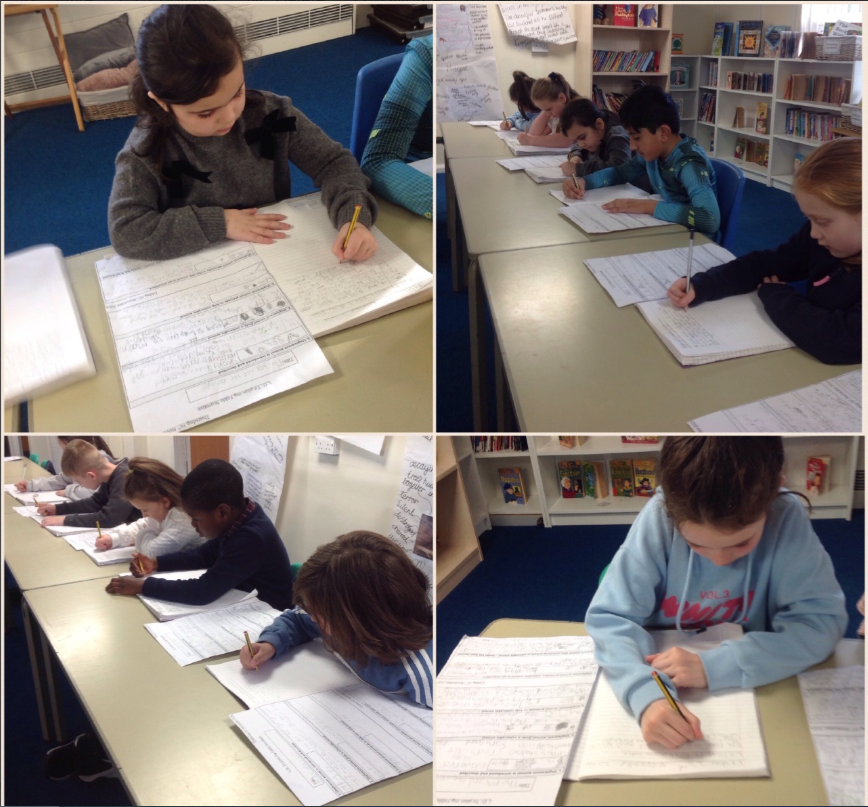
3B Autumn 2 Week 3
Children In Need

We enjoyed dressing in yellow and spots and made some donations to Children In Need today! The class loved learning all about the amazing things this charity does for people across the UK and, of course, Year 3 enjoyed speaking about Pudsey!
History
This term we have been exploring our new unit of the Stone Age. Year 3 have been learning about cave paintings and flutings. The class learnt that these pieces of artwork would usually be of animals or hunters painted with natural colours from mineral pigments. The children created their own artwork inspired by these cave paintings and flutings using charcoal.

Year 3 explored how people in Britain would get food by hunting and gathering during the Mesolithic Stone Age. The class looked at some food that would have been available to find during this time, such as berries, mushrooms, eggs, roots, nuts and seeds. The class also researched what species of animals would have been alive during this time, to hunt. They then created their own stone age menus, describing meals that would have been eaten during this period.
I am going to draw a warrior, hunting for a mammoth. – Arlo
I am going to draw some handprint stencils, like they did. – Isla
I think the archaeologists could tell how old the children’s flutings were by the size of their finger markings. – Charlie

I don’t think I would find living in the stone age because I bet you could get fresh honey from bee hives, and I could have honey on berries for my breakfast. - Ivy
Religious Education
We have begun our Christmas unit this term and this week, the children walked into the classroom and were met with a baby in a crib. This caused lots of excitement and sparked some interesting conversations. We discussed who the baby could be representing from our learning, and the meaning of presence. We also discussed that when someone special is going to be with us, in our classroom, school, home or town, preparations are made. We shared our ideas about what these could be.
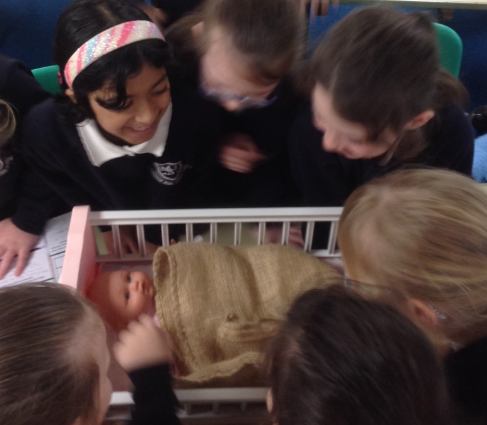
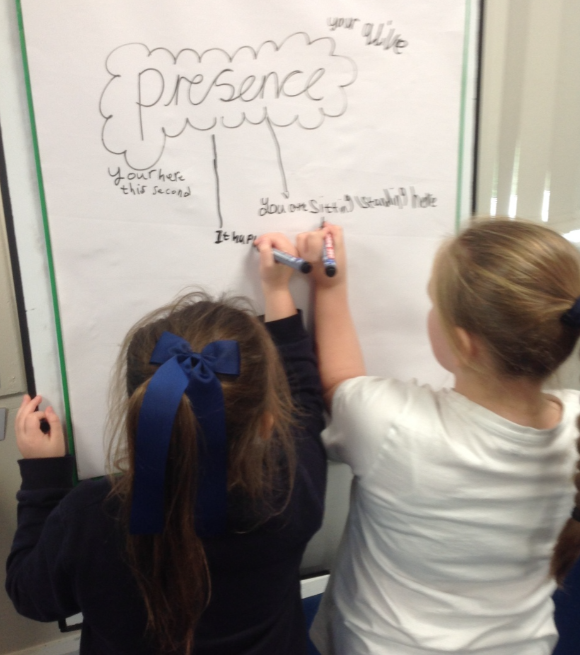
Mary and Joseph might have had to prepare for Jesus by making a crib out of hay to make him comfortable. – Kashana
They could not prepare because they had to rush to the barn to have the baby. – Charlie
They would feel happy that Jesus was born because he has come to save the world. – Daniel
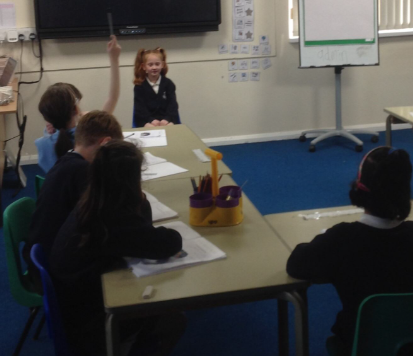
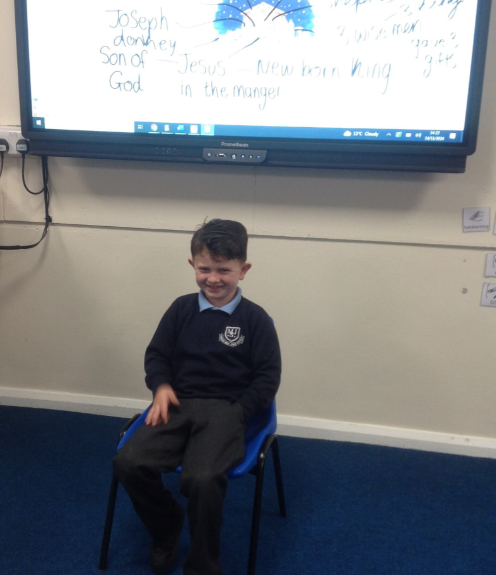
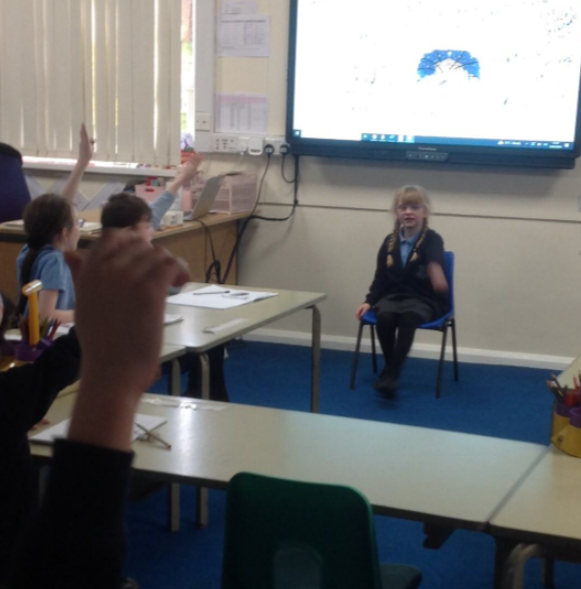
This week we have focused on the idea of Jesus’ arrival by reading the nativity story. We have explored the idea that Christians believe that Jesus is God here on earth. We discussed that Mary knew Jesus was coming, but the world did not. The angels told the shepherds, and they rushed down from the hills to visit the baby. We played a role-play game called ‘Hot Seat’ were some children acted in the role of a shepherd and answered questions from the rest of the class.
3B Autumn 2 Week 2
English
During an English lesson this week, Year 3 stepped into some illustrations of the woodland setting from the book Fox. The children imagined they were inside the forest and described what they could see, hear or feel within the setting, as if they were exploring the setting for themselves. The groups then imagined that there was a sly fox hiding, watching Magpie from the shadows. The class shared words and phrases to describe the fox, including some fantastic similes. We collected all these words and phrases, ready to write our setting descriptions tomorrow.
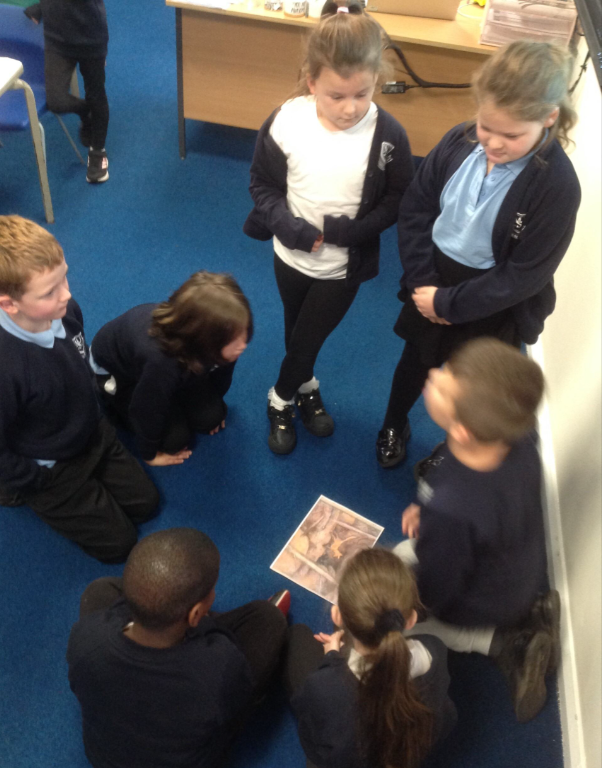
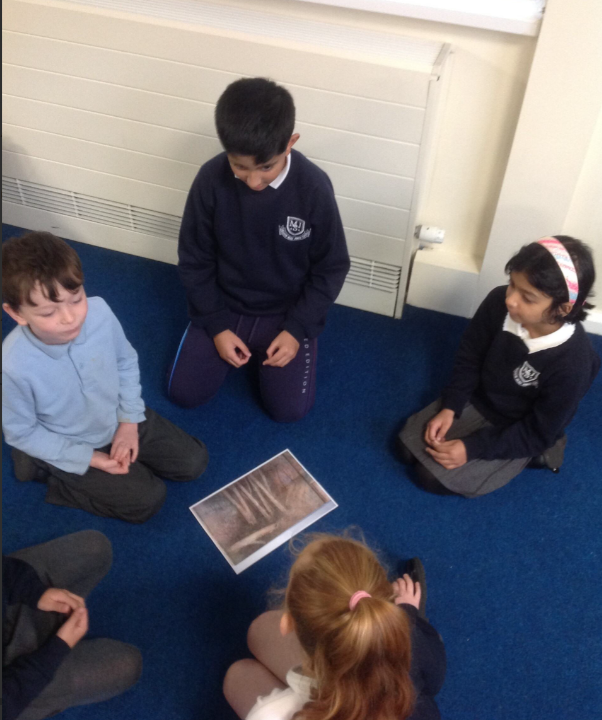
We stepped into the forest and told our friends how it felt. I said I found it spooky and could hear the wind whistling through the trees. – Amelia
I could see the wind tearing through the forest like a tornado. – Charlie
I think the Fox has devious thoughts. – Arlo
I think there will be a smoky smell from the charred, burnt trees. - Brooke
Maths
During our multiplication unit, we have been focusing on the relationship between arrays and repeated addition. The class have been calculating the answers to 3 and 4 multiplication tables, using arrays. They did this by repeatedly adding in 3s and 4s. The children enjoyed using beadstrings to represent and calculate the repeated addition. These concrete number lines allowed the children to record their calculations on pictorial number lines in their books.
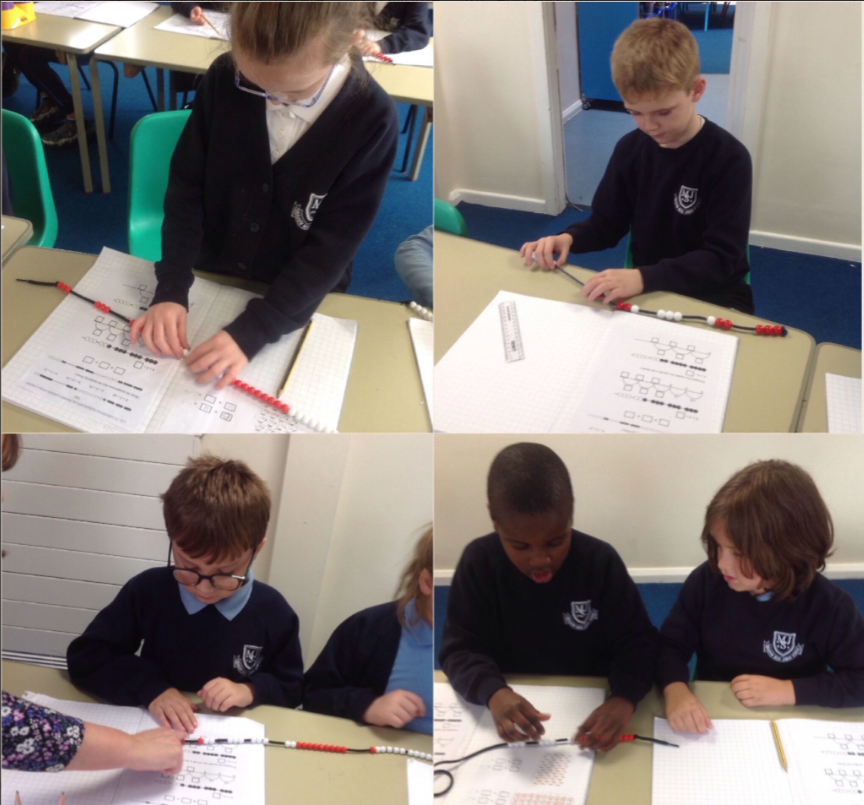
In maths, we have been learning our 3 and 4 times tables. We have used counters, arrays, beadstrings and number lines to help us. - Lyric
Science
Year 3 have started their new unit in science and have been learning all about rocks. We explored our school environment to spot any materials we could see, made from rock. We sketched and labelled the items we spotted and touched them. We described how they felt and what they looked like using adjectives.
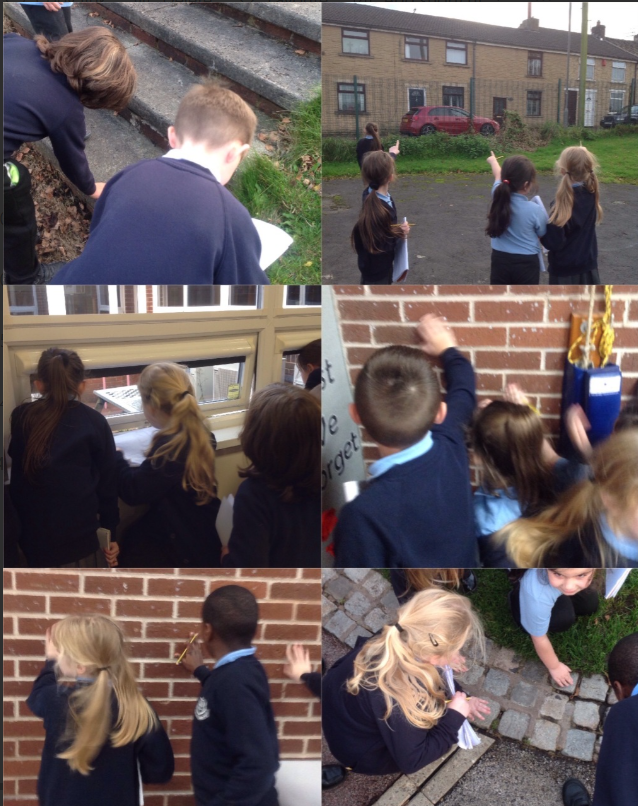
We did a rock hunt around school and looked for different types of rocks that we could see. Some have been used to build things and some have not. – Amelia
3B Autumn 2 Week 1
English
We have been looking at clues this week to find out what our new book will be about. We explored vocabulary and objects to help create our own predictions. Year 3 guessed correctly that they thought the book will be about a fox. They then wrote their own simile poems about a fox and performed them to the class.
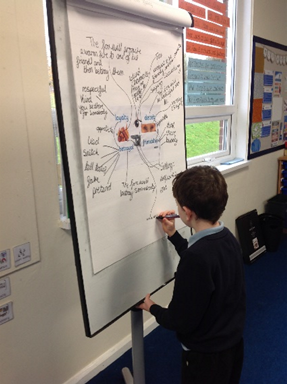
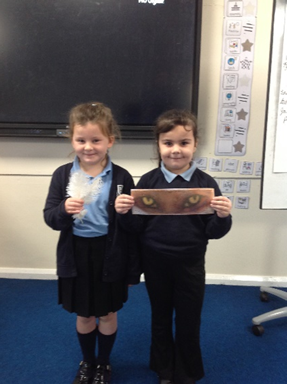
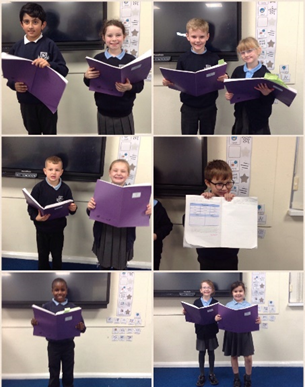
I liked being a clue detective, trying to discover what the book would be about. – Lyric
Art
Year 3 have sketched the Iron Man on to card, using Chris Mould’s illustrations as inspiration. They then shaded their characters to create definition and cut out each body part before connecting them back together using split pins. They then used knitting needles to control the movements of their characters. They used their dark, gloomy backgrounds to set the scene and performed a puppet show for their friends and present their artwork to others.
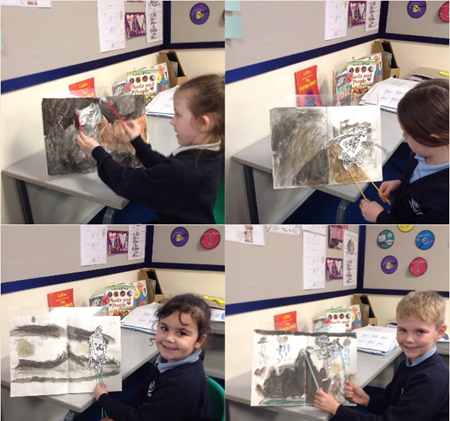
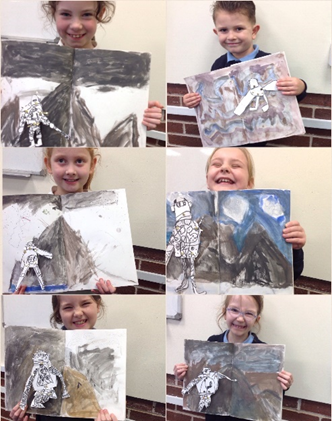
I enjoyed painting the background. I used dark colours like brown and dark blue to make the mountains dark and the sky look like nighttime, just like in the Iron Man book. – Archie
I liked it when I worked with a partner, using great teamwork to move the arms and the legs, at the same time during my puppet performance. – Kashana
Blackburn Rovers Anti Racism Workshop
We welcomed a visitor from Blackburn Rovers who spoke to Year 3 about bullying and racism. The children worked in groups to discuss their own feelings about these issues and shared them with the class. We learnt how we could be an ally and work towards preventing racism.
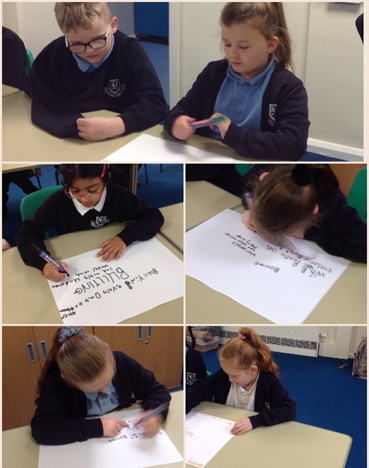
Something that I learnt is that I should tell a trusted adult if I witness anybody bullying or being racist to somebody else. – Isla
I liked writing about our emotions and our own experiences. – Charlie
Black History Month
To celebrate Black History Month, Year 3 have been learning about Serena Williams and her influence in our culture today. The class enjoyed learning facts about her successful tennis career and her charity work. They then created their own collages and poems about the inspirational black woman.
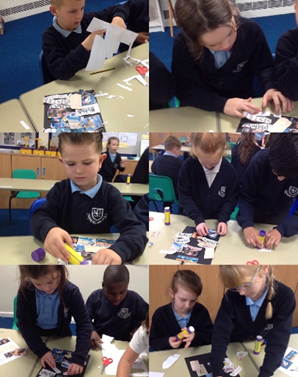
I liked writing a poem about her and I think all girls should be proud of Serena Williams. – Kashana
Maths
Year 3 has started their new unit of multiplication. During our first lesson, we recapped our multiplication facts for the 10, 2 and 5 multiplication tables. We used concrete materials and lots of games and activities to consolidate our learning.
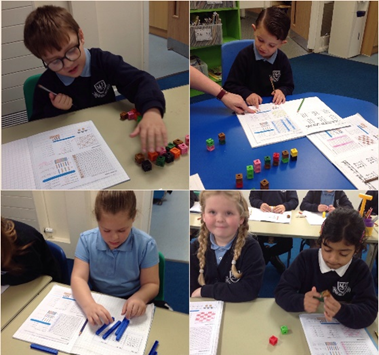
I liked using the unifix cubes to sort them into 3 groups of 2, it brings the calculation to life so we can see it right in front of us. – Charlie
I liked it when we stood up to count in tens. I like it when we move around in the lesson. – Crystal
3B Autumn 1 Week 7
Behaviour Treat
Year 3 could barely contain their excitement on Wednesday morning as we heard the inflatable assault course pumping up in the hall! They had so much fun racing each other and cheering on their friends!
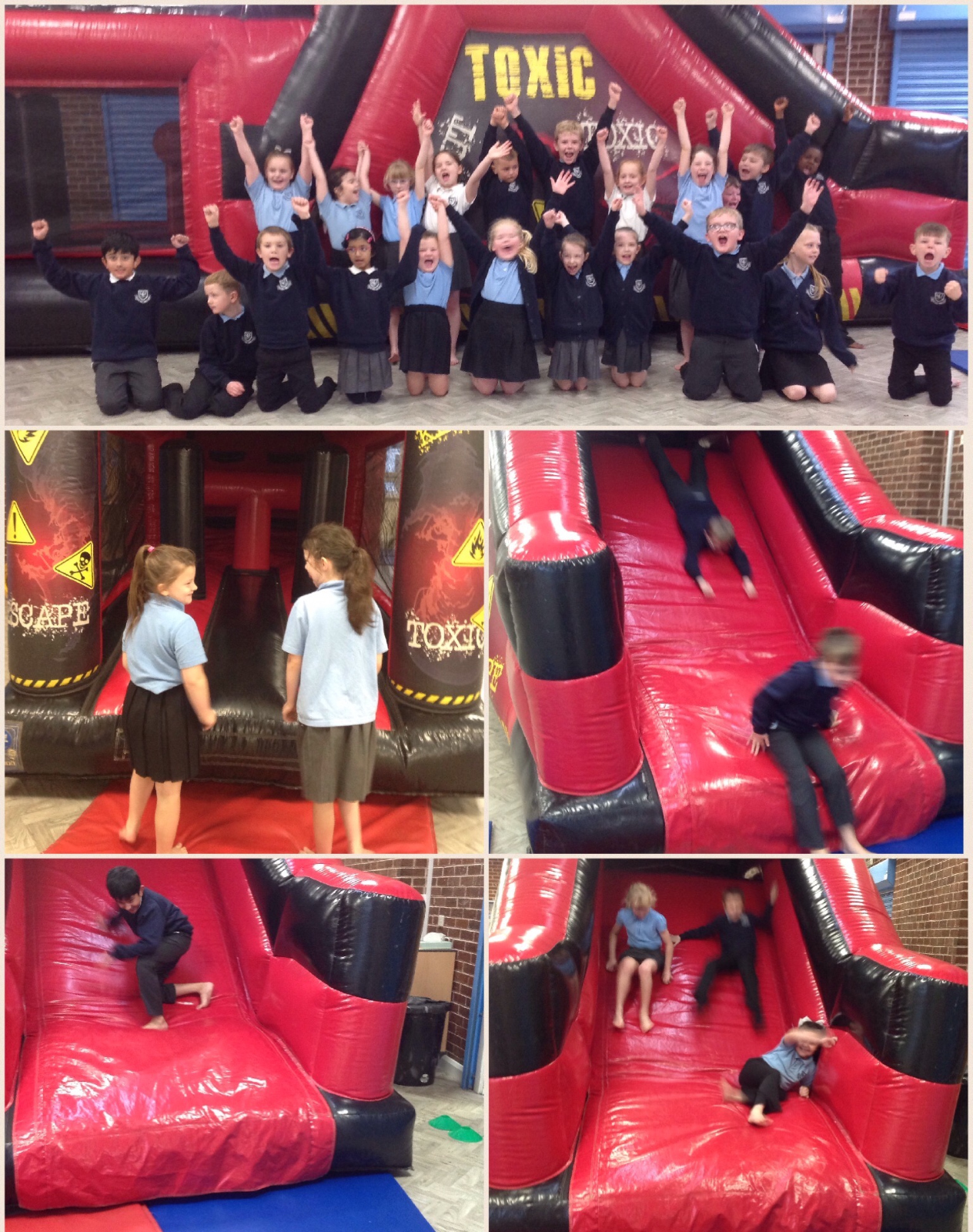
We have never been able to do this before, this is the best day ever! – Shaun
Science
As part of our science unit, focusing on nutrition, Year 3 made their own healthy balanced meals. Incorporating all the different food groups, they were able to make their own sandwiches and added crisps, fruit and vegetables to their plates. They were able to confidently name each food group and describe what nutrients they provide and how they help us.
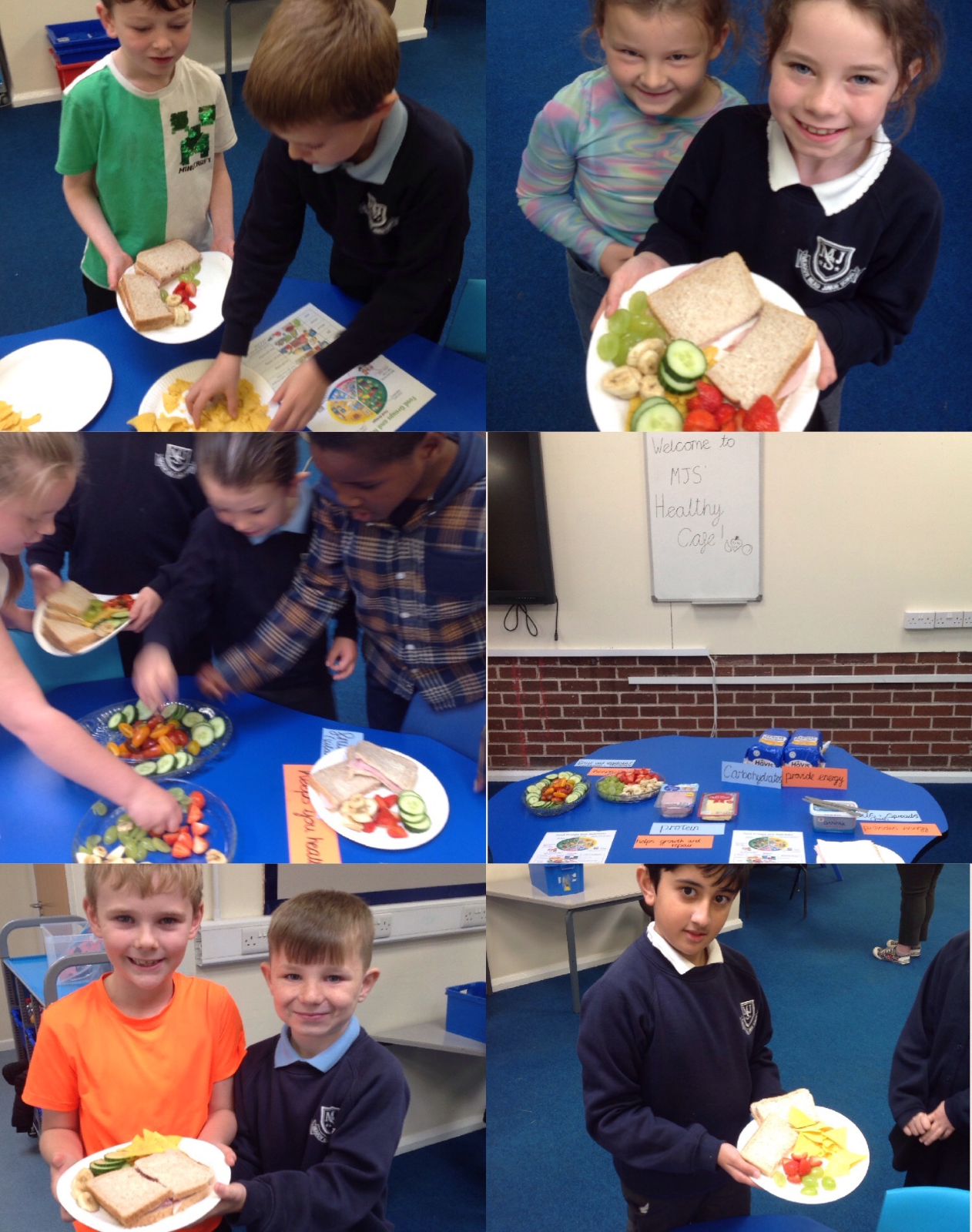
Eating healthy balanced meals helps you have energy all day for exercise, which also keeps you healthy. – Charlie
Eating lots of nutrients helps you not to get ill. – Daniel
Being healthy makes you strong and happy. – Grayson
Geography
Before heading out the classroom, we looked at ariel photographs of our school using google earth and maps of the surrounding area. Year 3 then used their geographical skills to observe their local environment and plot the street names, classroom and school features on these photographs as they explored the outdoor area. They then created their own maps of the school and labelled what they had observed outside.
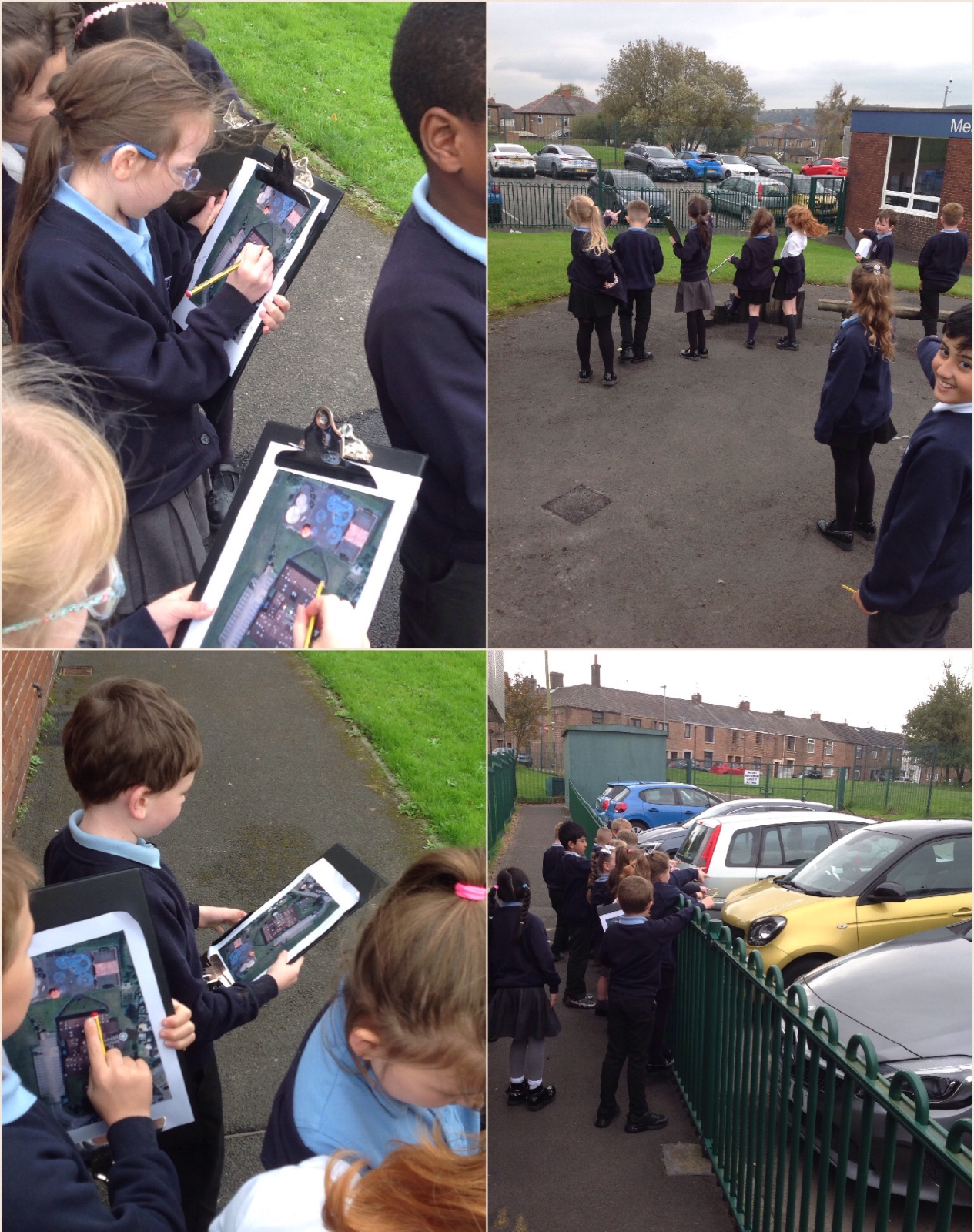
I spotted the car park straight away, I know where I am going to draw that on my map – Jonny
I have added the trim trial, shelter and red zone to my map, I know exactly where they will go! – Grayson
Art
We have been creating moody, spooky settings for our Iron Man animations using watercolour paints. Year 3 first looked at some images from their setting descriptions in their English work and decided what they wanted their backgrounds to look like. They then sketched them and brought them to life by adding dark, dramatic colours.
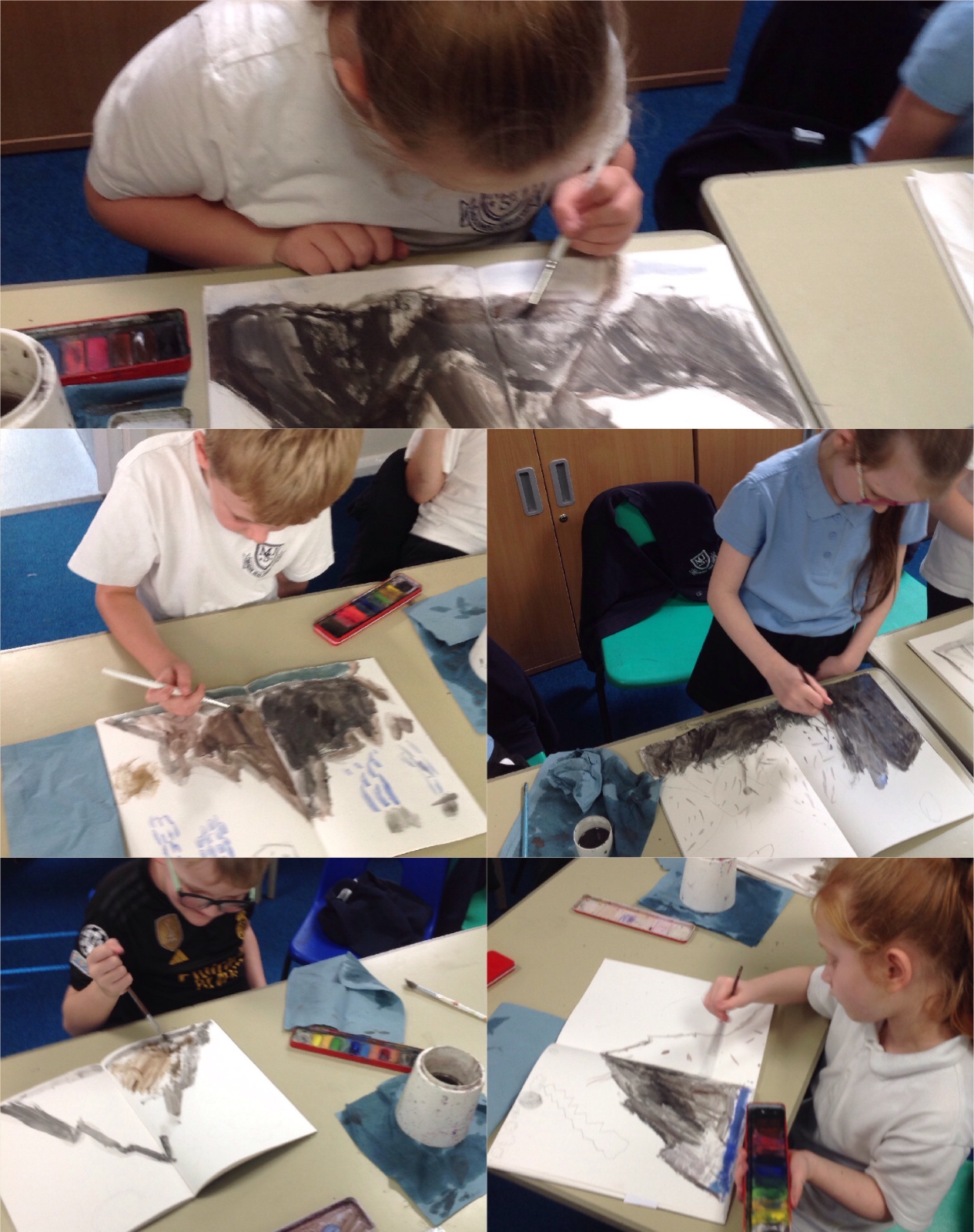
I love painting, it makes me feel calm. – Ivy
I have used a dry brush after the wet on to blend the colours together. – Amelia
I have used a thin and thick brush to create different lines and mixed my own blue colour so it’s very dark and creepy. – Arlo
3B Autumn 1 Week 6
Hello Yellow
We have been learning about Young Minds, a charity set up to promote good mental health for young people. We discussed the importance of talking about our own wellbeing and recognised how we can feel different emotions. Wearing yellow accessories on this day really brightened the mood around school. As part of an activity, we wrote all the wonderful things we love about each other on yellow post-It notes on each other’s backs and at the end we revealed all the amazing things people like about us!
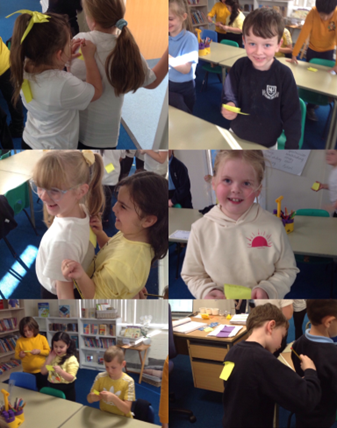
I have really enjoyed doing the Hello Yellow games today. I liked writing on peoples back and keeping what I wrote a secret. – Isla
Seeing everybody wearing yellow makes me feel happy. – Kashana
It made me feel proud when I read all the things people thought about me! – Charlie
Gymnastics
During our gymnastics lessons, Year 3 have been building strength in their arms and core as they work towards being able to do a cartwheel. They even had a competition to see who could keep their body weight off the bench for the longest. Charlie was our champion!
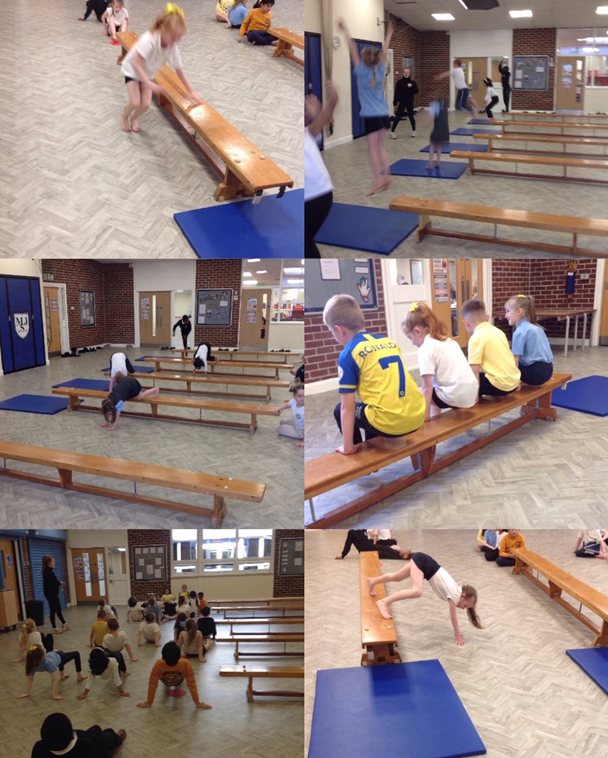
I am getting much better at balancing and I can almost do a forward roll now! - Shaun
I think I am getting stronger. I can balance and hold it for longer and I think I am going to be able to climb to the top of the rope soon. – Arlo
I wish we did gymnastics every day! – Harris
During the gymnastics club after school, Catherine had the idea of creating a formation, and I was chosen to balance on the top and catch somebody else's legs as they did a handstand. Mrs Livesy was really impressed when she saw us and we all got dojos! - Lyric
Music
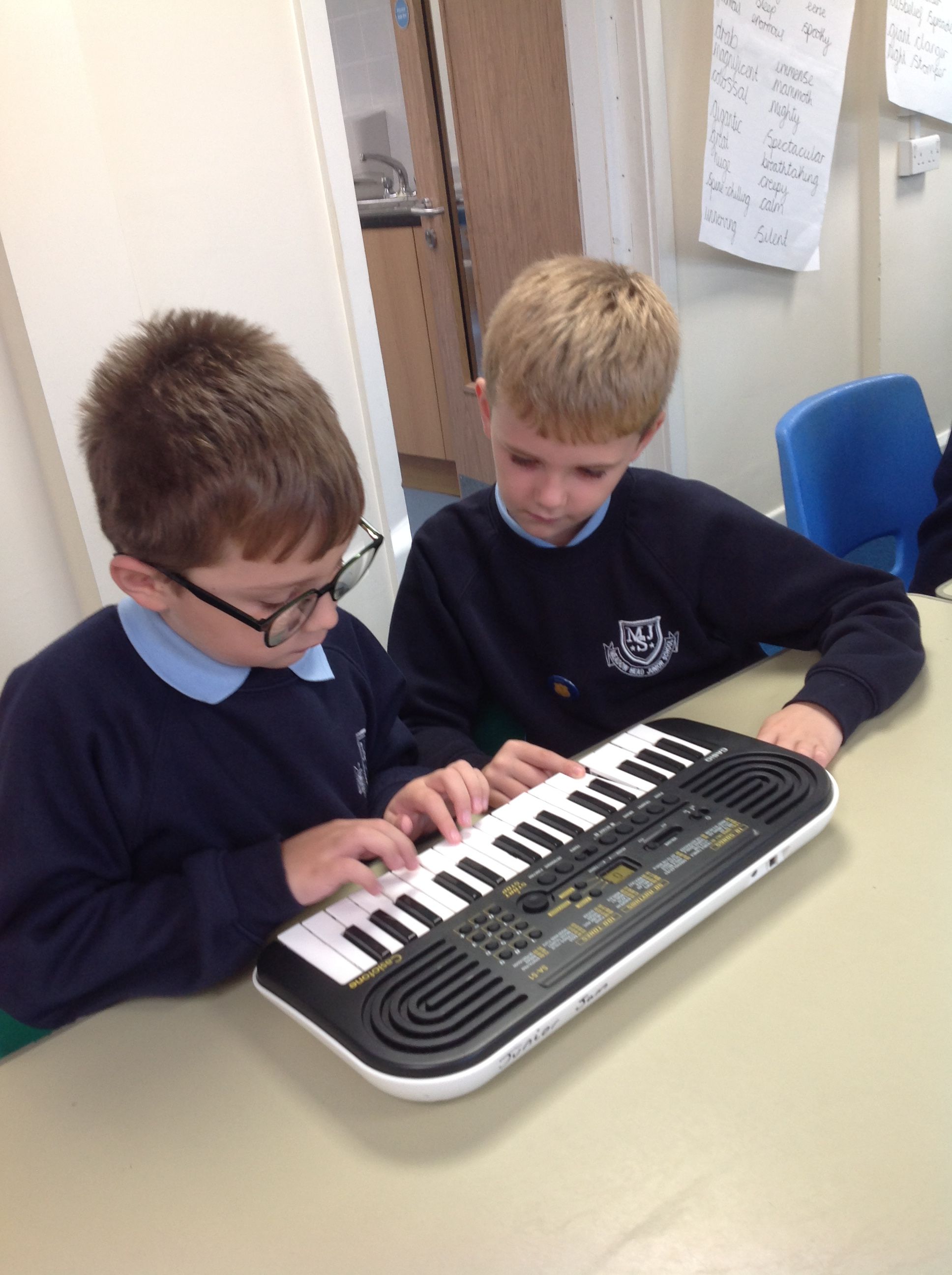
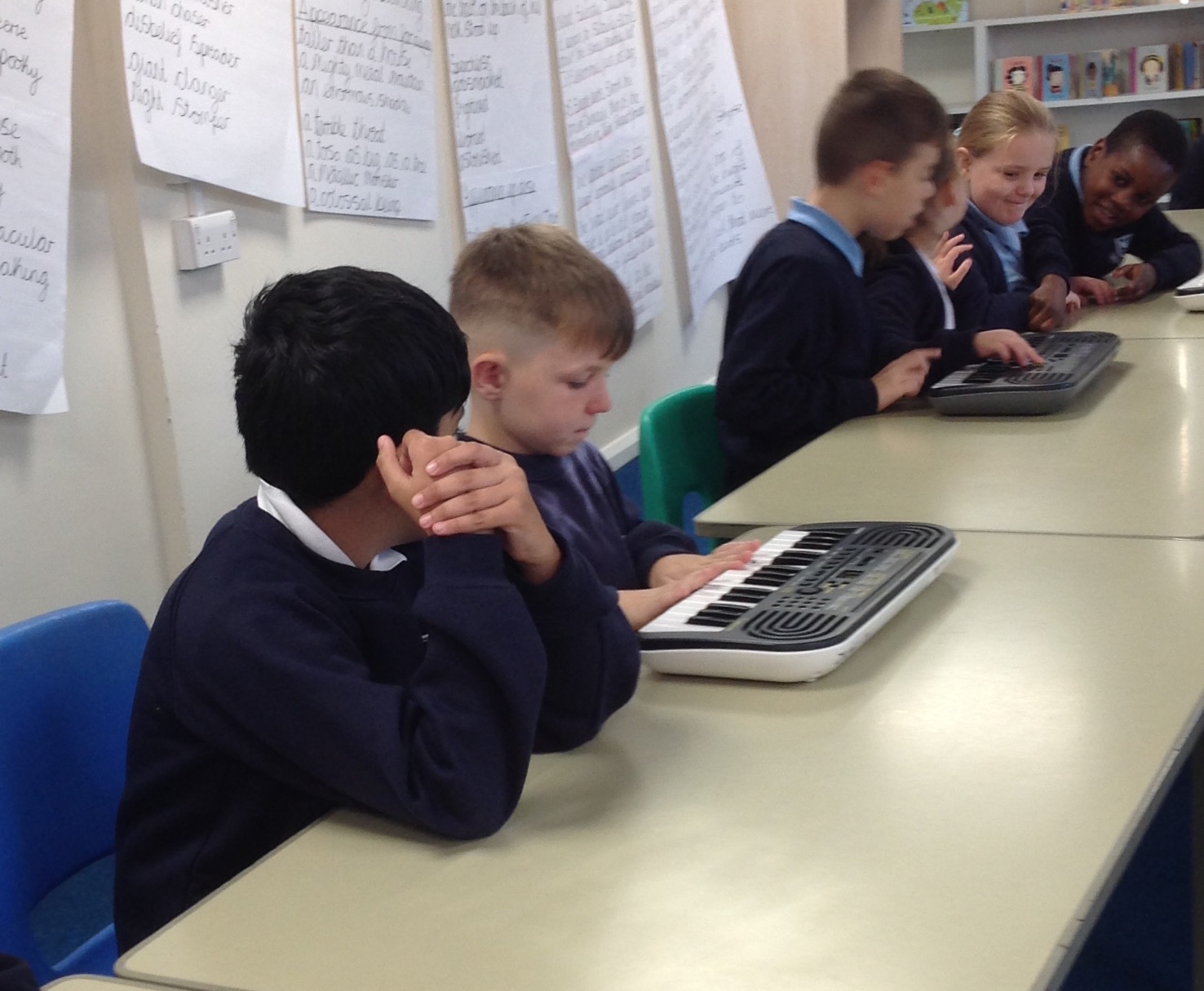
Year 3 have been enjoying using the keyboards during their music lessons this week. The class learnt that a Drone is the easiest accompanying note played for a long time to play over harmonies. In pairs, the children experimented with different sounds, note lengths and even mixed their own melodies.
3B Autumn 1 Week 5
English
We received an exciting letter this week from the town mayor, asking for our help to trap the Iron Man. Year 3 have risen to the challenge and were very excited to design their own traps. After brainstorming ideas individually, the children worked in groups to come up with a design to present to other groups, acting as members of the council. The class came up with some amazing and imaginative ideas and explained how the features of their traps worked in detail, using some fantastic language!
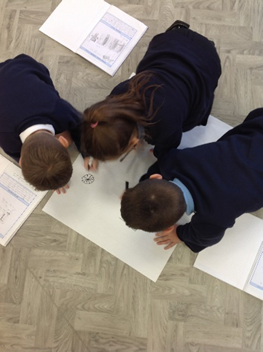
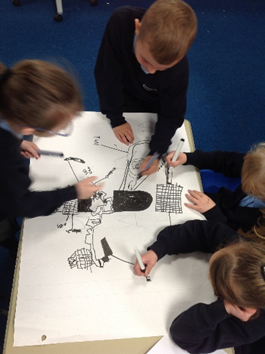
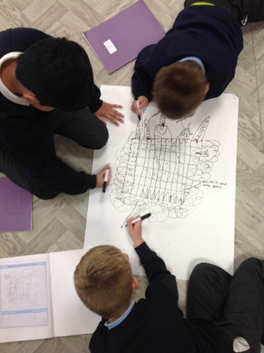
It is so exciting that we have received a letter from the Mayor, that means the Iron Man must be real! – Layton
My design has two rockets to lift the Iron Man because he is so heavy! – Grayson
I enjoyed working as apart of a team and going into the hall to draw our designs, its fun to get to move around and stretch whilst working. – Charlie
Maths
The children have been learning all about perimeter this week. They have used counting to calculate the perimeter of a polygon drawn on squared paper. They have been able to name 2D shapes, recognise the length of each square and then use the squares to decide what step size to count in, to work out the perimeter.
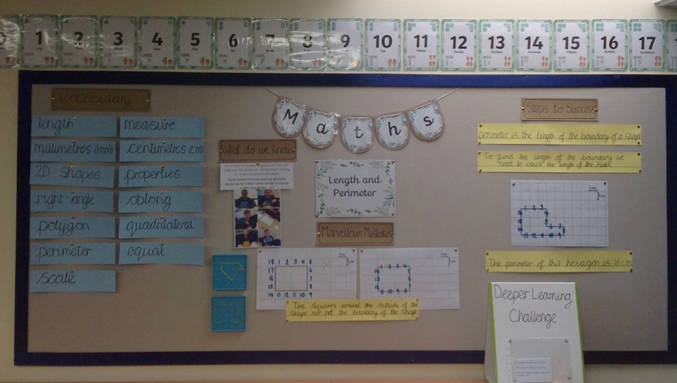
I have enjoyed learning all about perimeter this week. I like learning about different shapes. – Archie
I know that 10mm is equal to 1cm - Daniel
I have been improving in my maths lessons! – Arlo
Art
During our Animation unit, Year 3 have been exploring the work of illustrator Chris Mould and had fun sketching their own Iron Man, inspired by his work.
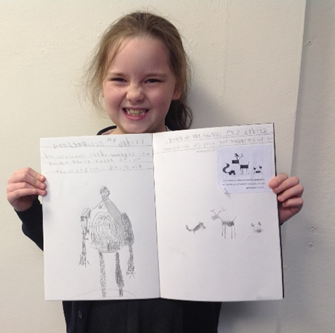
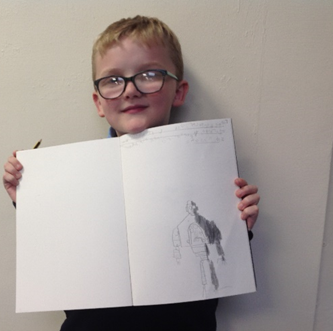
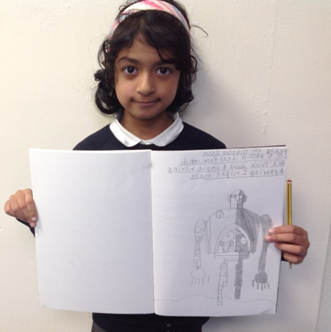
My favourite part of my learning this week has been learning how to draw the Iron Man. I cant wait until next week when we are going to make his eyes move! – Brooke
3B Autumn 1 Week 4
Maths
Year 3 have started their new unit of work, length and perimeter. They had the chance to create 2D shapes on geoboards with right-angle and side properties. The class have also practised drawing 2D shapes using isometric paper.
I love maths! This has been my favourite lesson so far! I like it when we get to use the maths equipment! - Isla
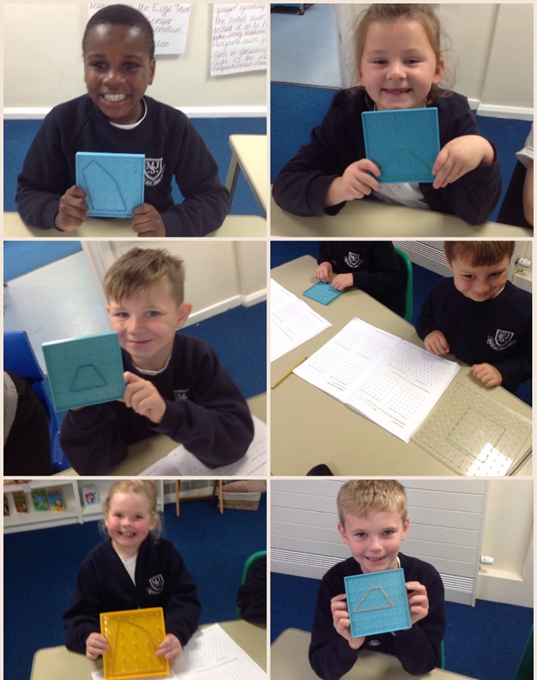
English
We are in the writing stage of our English unit this week and the class have enjoyed writing their own Approaching Threat Narratives. Our classroom is full of exciting vocabulary, pictures to inspire us, and plenty of writing! We can't wait to finish our stories and put them on display in Base 3!
I like using the purple polishing pens to edit my work. It helps me look for where I need to improve. - Lyric
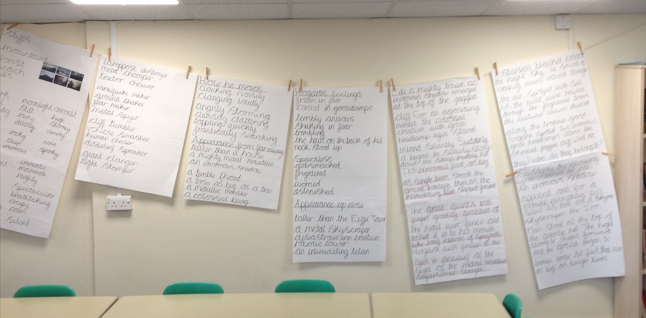
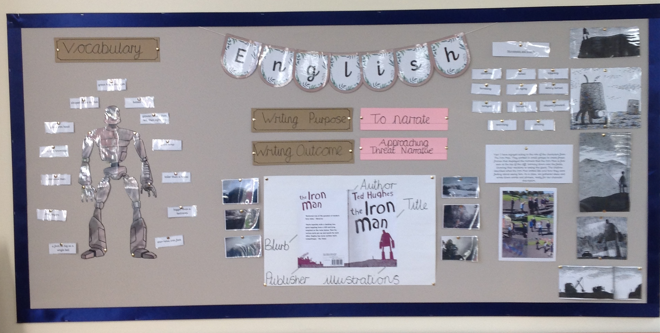
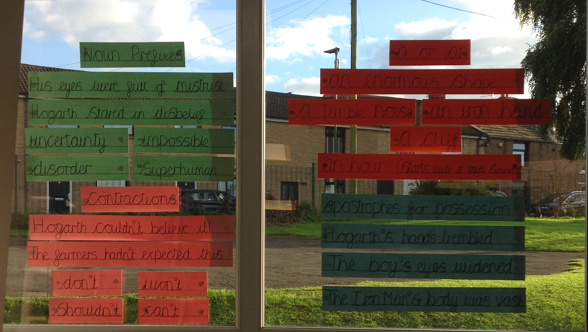
Gymnastics
Year 3 have enjoyed practising their gymnastics by completing a variety of balancing activities. The class is becoming much more confident with these movements and balances each week.
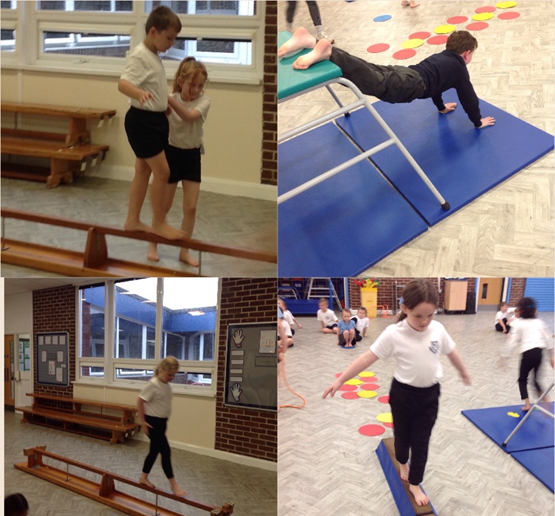
Achievements
Grayson won the Achievement Award this week for working extremely hard in both English and Maths and becoming much more independent each week.
Alice won the Values Award this week for demonstrating the value of ambition! She has shown great determination in her gymnastics lessons each week.
3B Autumn 1 Week 3
English
Year 3 have enjoyed acting in the role of the characters from The Iron Man. They worked in small groups to create freeze frames that displayed the moment that the Iron Man is first seen at the top of the cliff, looming down over the fields, showing their reactions to seeing the giant. The children described what the Iron Man looked like and how they were feeling about seeing him. As a class, we gathered ideas and wrote down words and phrases, ready for our character description.
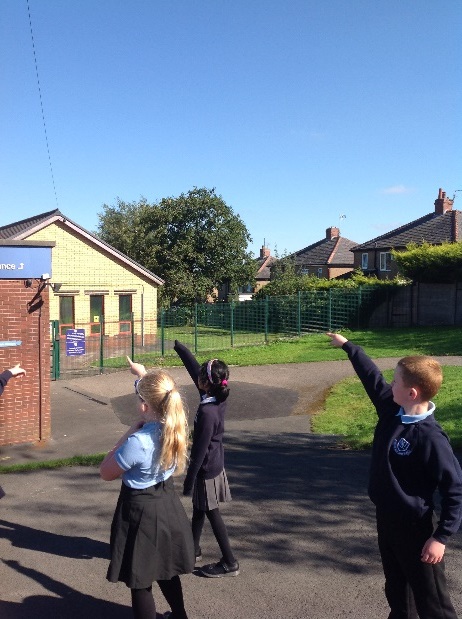
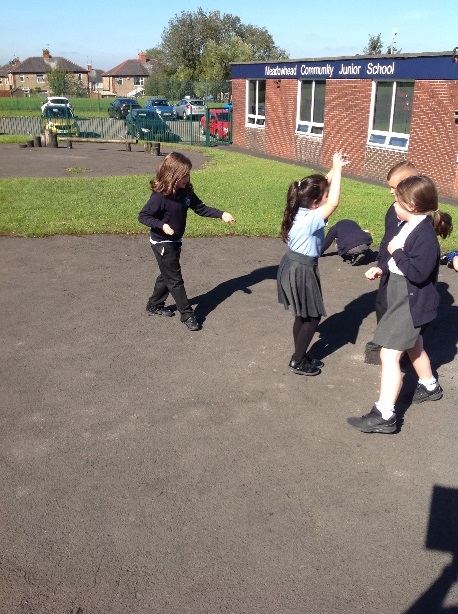
I enjoyed acting out the roles because it’s always fun to play a different character and it helps you get into the mind of that character. – Paisley
I had fun spending some of the lesson outside and pretending to be Hogarth. – Charlie
Computing
Year 3 have enjoyed their computing lesson during Junior Jam this week. We have been learning the main elements of the drum, cymbal, snare and kick for our music production instrumentation.
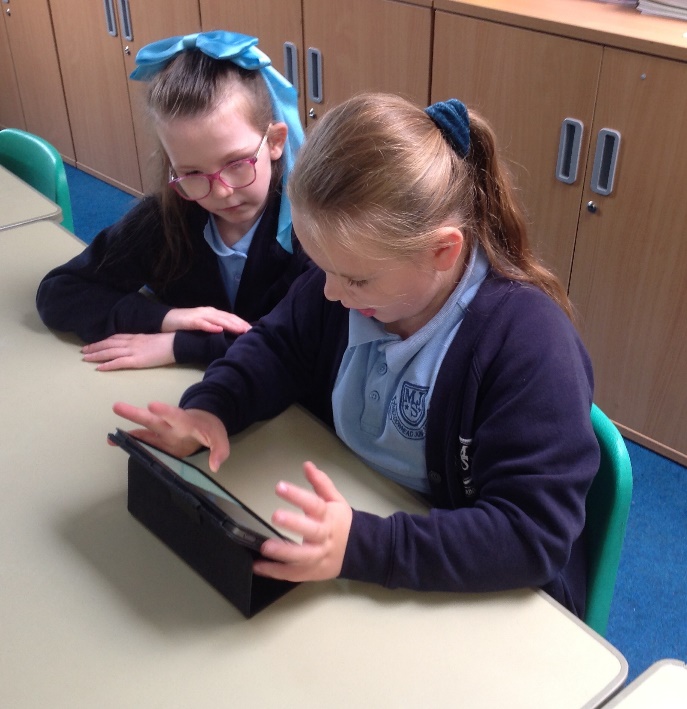
I love school on Mondays, we have Junior Jam. It’s the best! – Charlie
I like the drumming sound. It reminds me of the infant school because we have heard something like that there. – Kashana
Gymnastics
The class practised a sequence and even had a chance to test their strength by climbing the ropes.
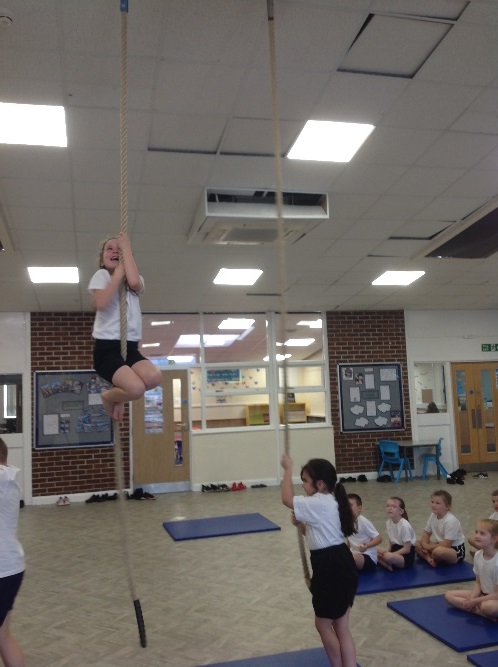
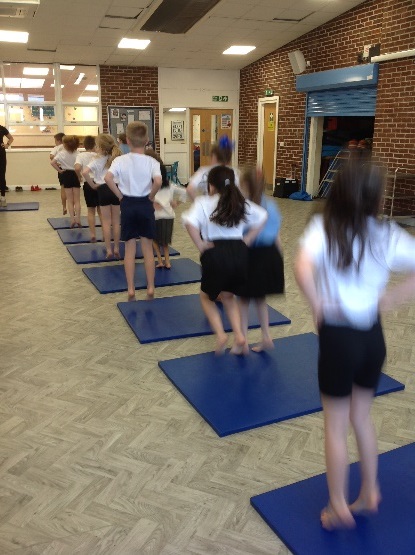
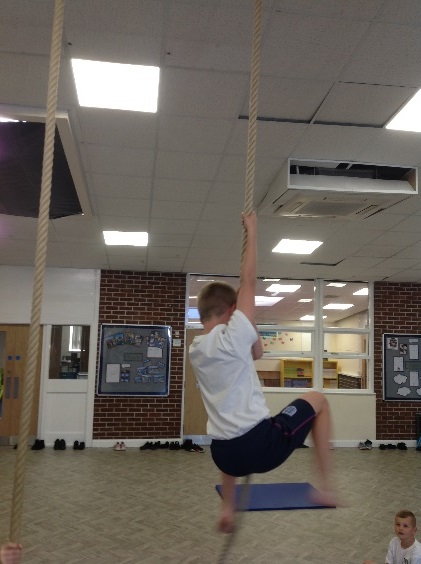
Geography
In our Geography lessons, we looked at two maps of Blackburn. One was from 100 years ago and one is a present-day map. We looked for symbols we recognised and compared the two maps and spotted similarities and differences.
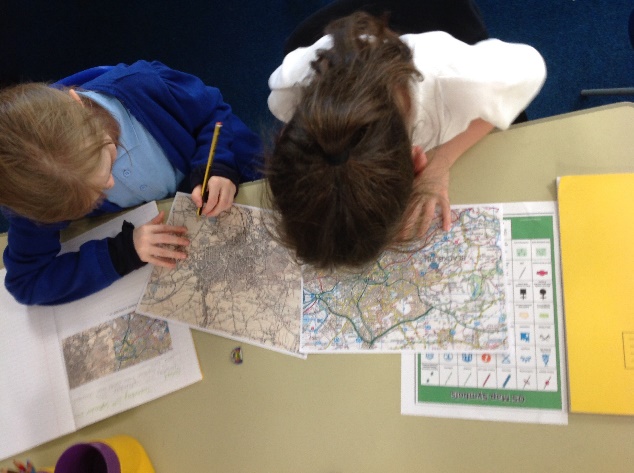
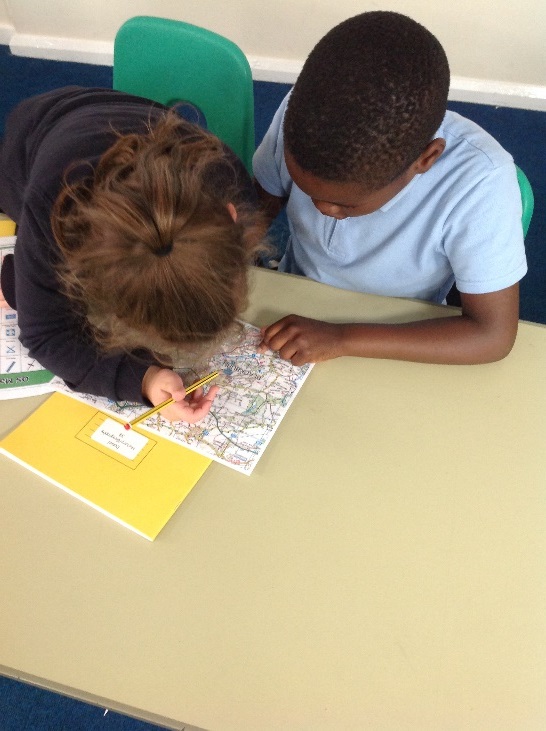
I enjoyed looking at the old and new maps of Blackburn and comparing them. – Jimmy
I liked that we got to spot the differences between the two maps of Blackburn and find the symbols on both. – Brooke
I liked finding places that I recognised and have visited on the Blackburn map. – Amelia
Achievements
Jimmy won our achievement award this week for making great effort to contribute ideas during class discussions and is growing in confidence each week.
Brooke won our values award this week for demonstrating the value of friendship. She is always helpful and kind to others in class.
3B Autumn 1 Week 2
This week we have been learning about democracy. We learnt about the different political parties in the UK and where our Prime Minister, Keir Starmer lives. We discussed how a ballot system works and even had a chance to practise this, as we voted for our Value Committee members.
During our English lessons, the children discovered our class novel this term will be The Iron Man by Ted Hughes. We have been reading the story and collecting words and phrases we could use to describe the Iron Man. The class have written their own kenning poems, which were brilliant!
During our immerse lessons, we were given many clues and I guessed the book was the Iron Man. But it's not the same Iron Man from Marvel! - Harris
Year 3 had their first gymnastics lesson this week and loved it! The class worked on their balancing techniques and began to practise many gymnastic movements, such as straddle, pike, tuck and front support. The children began sequencing the movements together and even tried a log roll and forward roll!
I love gymnastics! I am going to practise every week at home, so I can get even better! - Lyric
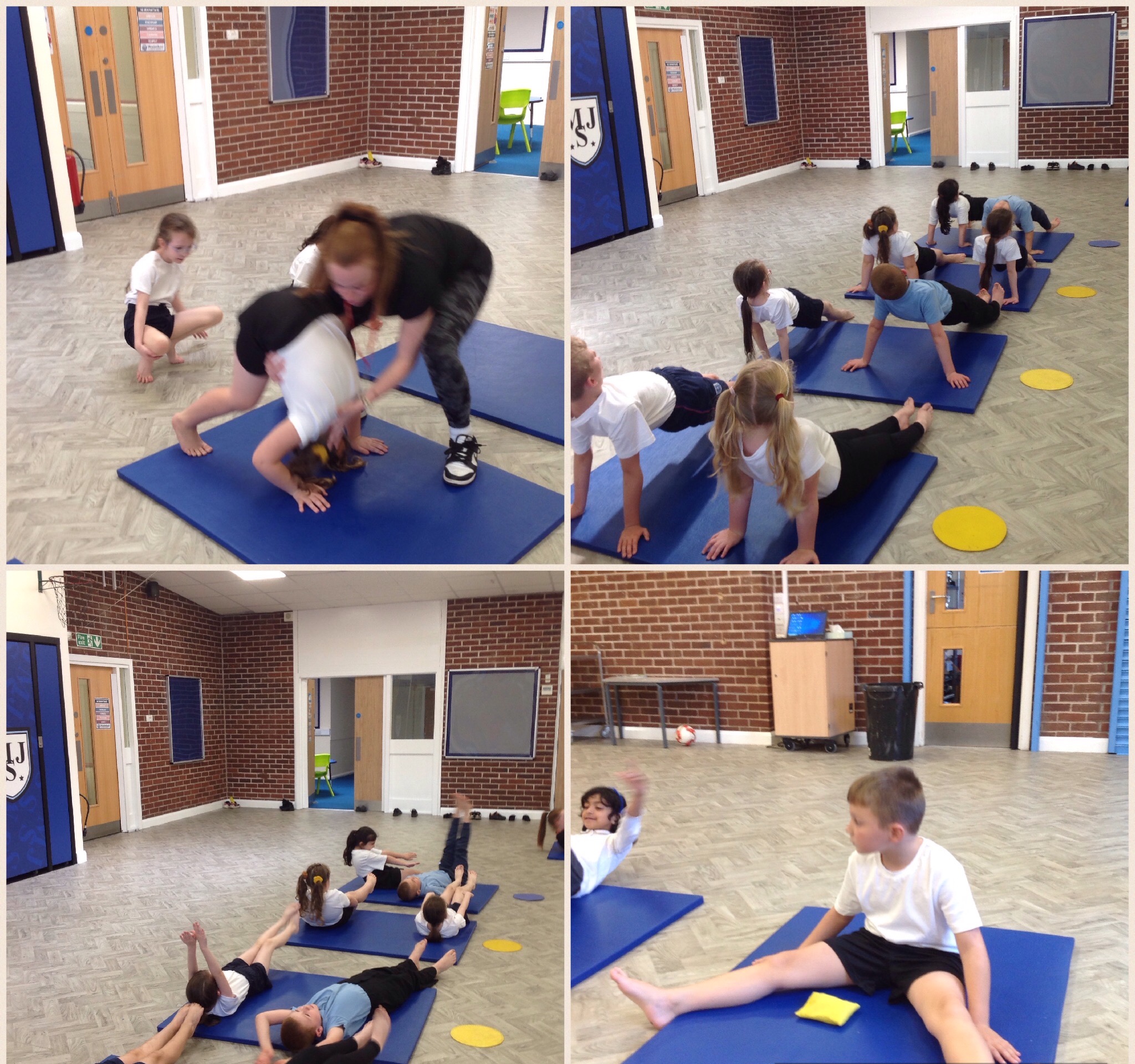
This week was our first Junior Jam Monday! During the music lesson, the class enjoyed using keyboards to create a tune. Year 3 learnt about scales, major scales and root notes.
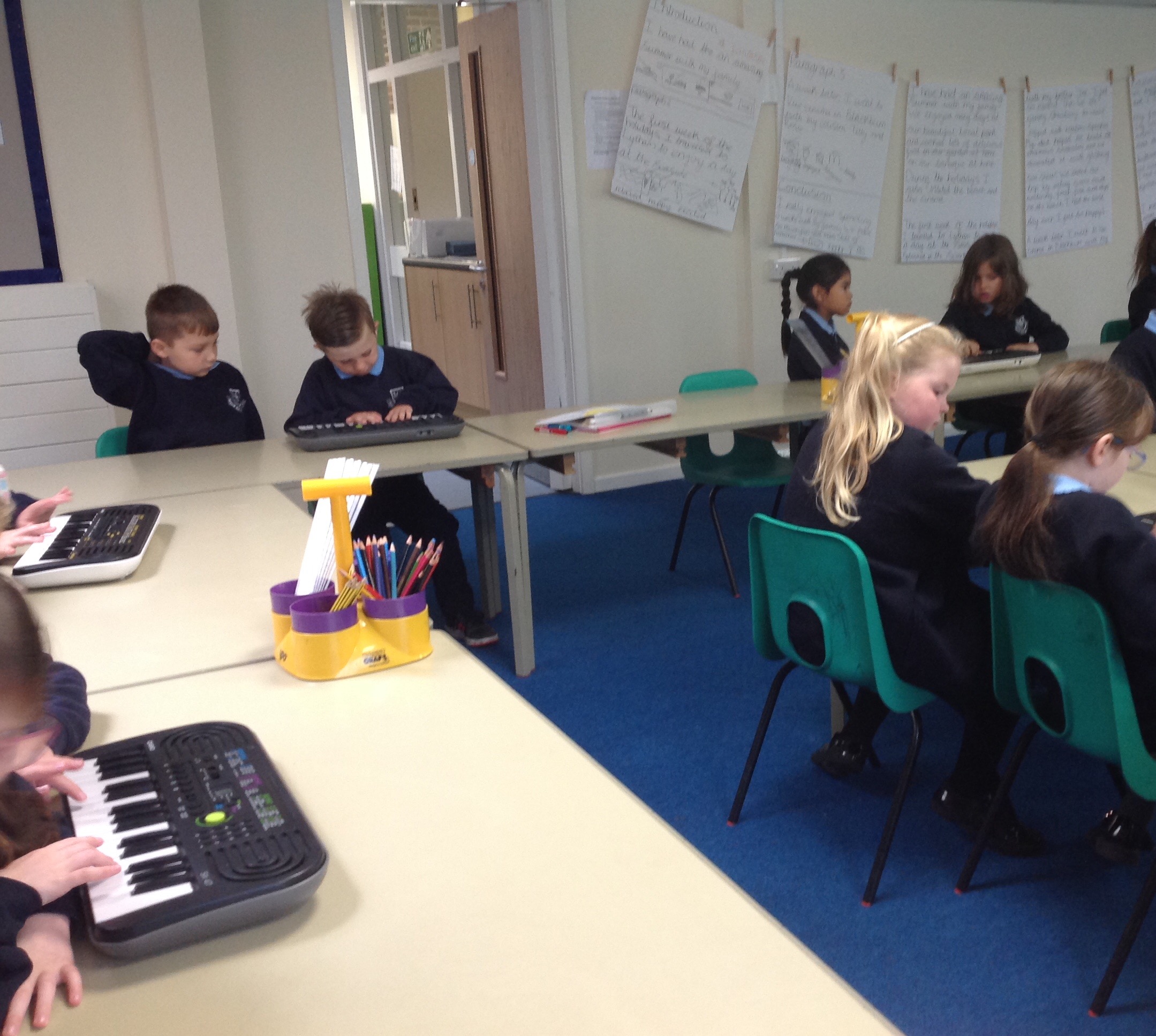
I didn't like it ...I loved it! - Charlie
As part of the computing lesson, Year 3 discussed different types of instruments, beats and producing music. They used the app GarageBand and encouraged and supported each other as they all took turns to create and listen to each other's beats.
3B Autumn 1 Week 1
We have had an amazing first week in year 3! Both classes have settled in wonderfully and have been demonstrating our school values each day. We have been very impressed of how well the pupils have familiarised themselves with the new class routine.
In our English lessons this week, we have been writing recounts of our summer break. We looked at various recounts and identified the key features of this genre of writing. Year 3 planned and wrote their own recounts including all the wonderful memories they have made this summer!
This week, I have learnt that recounts must be in chronological order and written in the past tense. - Charlie
We wrote about what we got up to over the summer holidays in first person. I liked drawing pictures in my plan to remind me what to write about. – Kashana
During our Maths lessons, we have been practising our ten times tables. As you can see the class enjoyed getting up and active to practise these and remained excited and engaged.
We have been learning our 10 times tables. I enjoyed getting to move around, I thought it was fun. – Sky
We have been working on Number and Place Value this week, focusing on exchanging 10 ones for 1 ten and exchanging 10 tens for 1 hundred. We have been exploring this using concrete materials. The class enjoyed working in pairs to consolidate their learning
I enjoyed using base tens and ones and playing a game with my partner. – Daniel
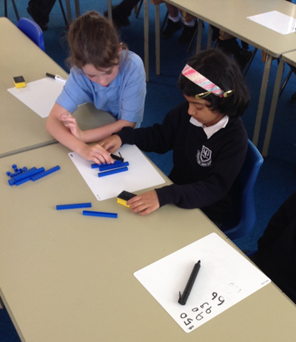
In school we have undertaken an Anti-Racism week, an important initiative aimed at reinforcing our school values and addressing race equality within our diverse community. Year 3 have engaged in meaningful discussions and created their own posters.
We have been learning about racism and important people who can be celebrated during black history month and every month. – Amelia
We have made anti-racism posters and watched some videos about premier league footballers who said we should give racism the red card. – Carter
In school we have undertaken an Anti-Racism week, an important initiative aimed at reinforcing our school values and addressing race equality within our diverse community. Year 3 have engaged in meaningful discussions and created their own posters.
We have been learning about racism and important people who can be celebrated during black history month and every month. – Amelia
We have made anti-racism posters and watched some videos about premier league footballers who said we should give racism the red card. – Cart
Class 3S - Our Learning blog
3S Summer 2 Week 6
It has been writing week in English. We have read the book Into the Forest by Anthony Browne and now we have written our own version. We have focussed on using personification, show me not tell me and direct speech punctuated correctly.
“Personification is when an object acts like a human.” - Allanah
“Show not tell is when instead of saying you are scared, you describe it like heart pounding in your chest.” - Whitney
This week in History, we learnt about why the Romans came to England. We found out that England had lots of different materials that the Romans used to make things, as well as how powerful the Roman army was and how many different countries they took over.
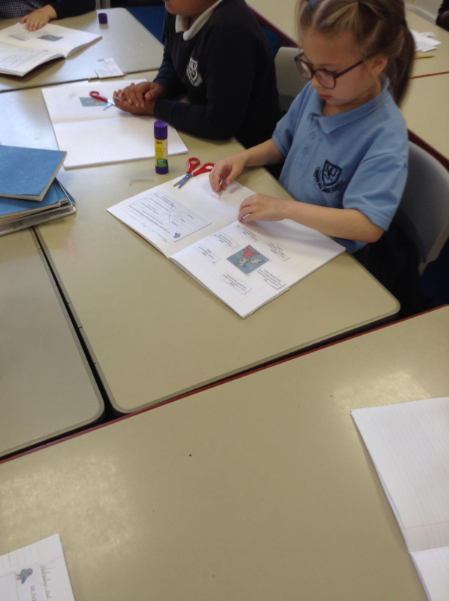
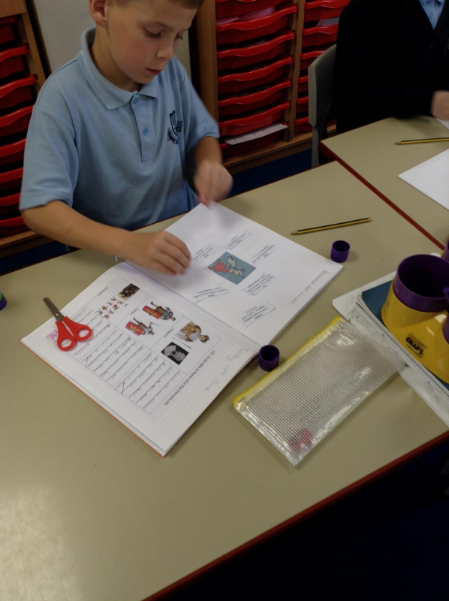
“The Romans used leather to make buckets and their army uniform.” - Eduard
“They invaded lots of countries because they had a really strong army and wanted to be even more powerful.” - Bryan
On Wednesday 9th July, Year 3 and 5 took part in Sports Day. Our teams were the countries that are in the Women’s Euros. We had lots of fun competing and trying our best to get lots of points. Unfortunately, it ended a little bit early due to the weather and the rain, but we still had a good time!
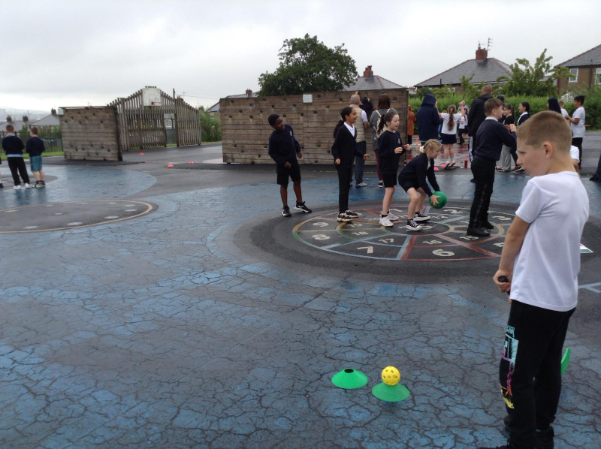
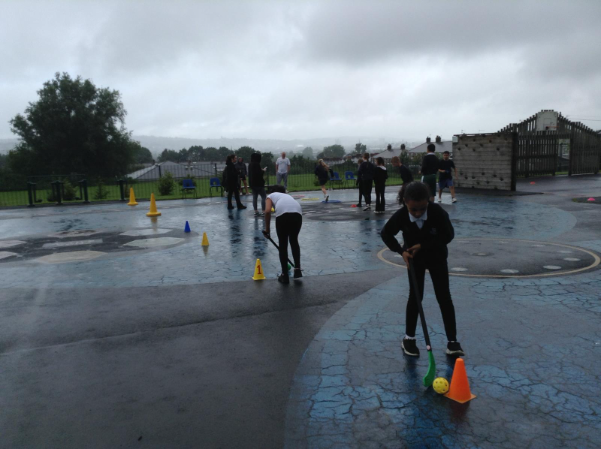
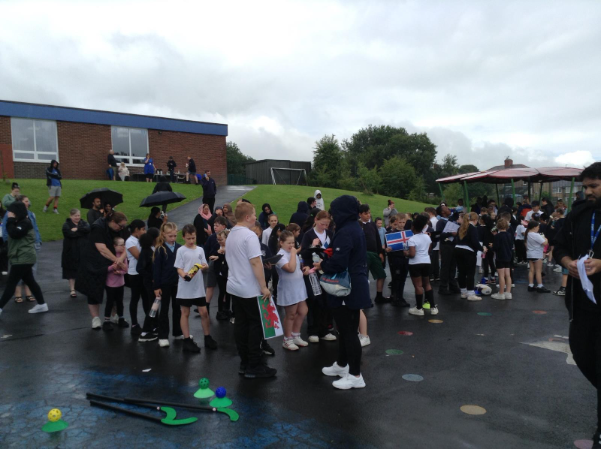
3S Summer 2 Week 5
In Music with Junior Jam, we were focussing on target markets. We looked at different album covers to understand why people might want to buy them. We then got to come up with our own song whilst making sure that we were ensuring our target market would like it and want to buy it.


“I would make my album cover really colourful so then people would be interested in buying it.” - Whitney
“A song needs to be catchy and have a fun tune for people to like it.” - Khodi
In Computing with Junior Jam, we were looking at how to get a character through a maze. We had to use our programming skills to make it move through the maze without going the wrong way or getting stuck. We then got to design our own maze for someone to play.


“Once we managed to get our character through the maze, we got to play other versions of the game.” - Teddy
“It could be quite difficult if the character got stuck in the wrong place because you had to go back before trying to go the right way.” - Alexa
3S Summer 2 Week 4
This week in Maths, we have started a new topic of 3D shapes. We used concrete materials to explore different shapes. We discussed how many faces, edges and vertices each shape had as well as curved surfaces and how each shape was different to one another.


“Vertices are the pointy bits on a 3D shape, sort of like corners in a 2D shape.” - Arsheen
“A cylinder looks like it has 3 faces, but it actually has 2 faces and a curved surface.” - Khodi
In RE, we learned about the story of Jonah and the Whale. We watched a video and read the story from a children’s Bible to hear a couple of different versions. We then acted out the story together in front of the class.


“God created a storm because Jonah had not listened to him and wanted to go somewhere to hide from God instead.” - Noah
“God sent Jonah to Nineveh to make sure the people there were making good choices and to stop them from being bad people.” - Sirraj
In PE, we had our last gymnastics session with coach Catherine. We had to complete lots of different challenges, like climbing ropes, bunny hopping over a bench and running round cones. We only had so much time to do as much as we could on each station. We then finished with a bunny hopping challenge to see which boy and girl could do the most in 30 seconds.


“I really enjoyed climbing the ropes because I haven’t done that before, so it was a fun challenge.” - Natalia
“I like running round the cones because it pushed me to run as fast as possible so that I was quicker than my partner.” - Kaima
3S Summer 2 Week 3
During our French lessons we have been looking at the different names for food. We went through lots of names for different foods and then created our own menu. We needed to make sure that we put the correct food in the correct courses so that it made sense. This will help us next week when we will be designing menus and including prices for each item in euros.


“Some French food names are similar in English. Salad in French is la salade so it makes it easier to remember.” - Rose
“Although some words are easy to remember, it’s important to make sure you pick the right foods for the right courses. It wouldn’t make sense to have yogurt for a starter.” - Whitney
During our Maths lessons this week, we have been looking at multiplication and division. We used our multiplication squares to help us with dividing using a number-line. We learnt how to group into multiples of 10 and to keep subtracting these groups until we got to 0.


“If you can’t subtract anymore but you still have a small number left then that is your remainder.” - Allanah
“To find your final answer, you need to add the number of groups together.” - Noah
On Wednesday 18th June, we welcomed a visitor from Mill Hill Library for Stay and Read after school. She shared how our school can enter a reading competition over the Summer. We enjoyed some refreshments and had the opportunity to read our favourite books with our parents and grown-ups.

3S Summer 2 Week 2
During Geography, we have been looking at the Lake District. This week, we focussed on why people go and visit the Lake District. We used the laptops and leaflets to research all the different reasons why people would want to visit the Lake District. We then used this information to create tourism posters.
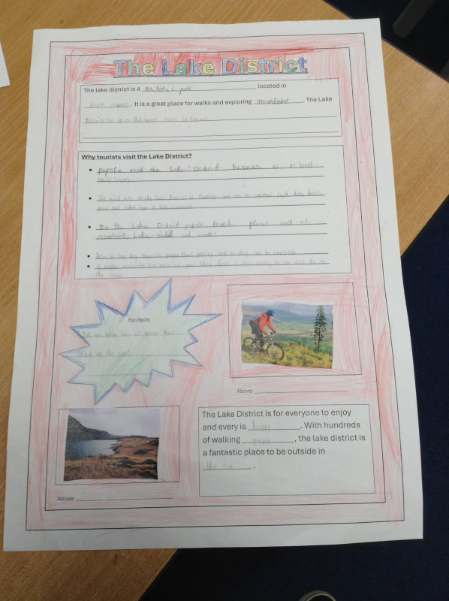
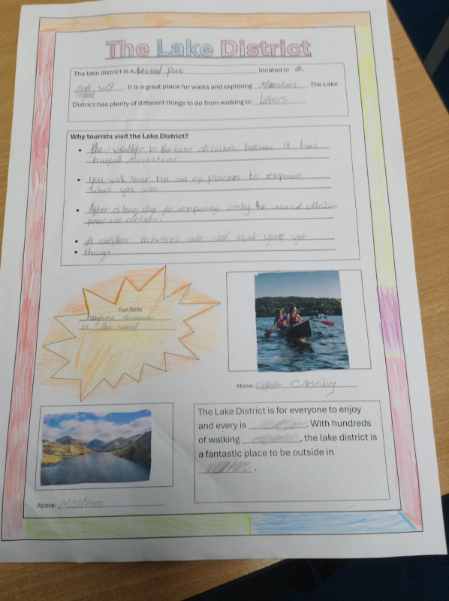
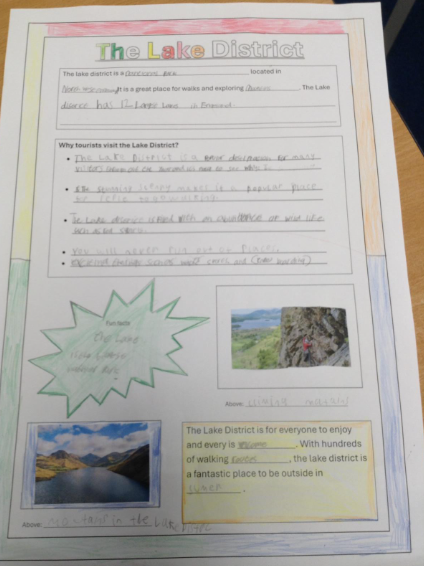
“There are lots of activities to do in the Lake District like cycling and walking.” - Natalia
“People might visit the Lake District because it has lots of mountains to climb.” - Allanah
For the next few weeks, we are very lucky to be able to do gymnastics in PE again with Coach Catherine. We are using these lessons to revisit the skills we learnt at the beginning of the school year. We had to remember the name of different gymnastic shapes such as tuck, pike and straddle and used these in small routines. We then finished with a stamina task of skipping with a skipping rope as many times as we could in a minute.
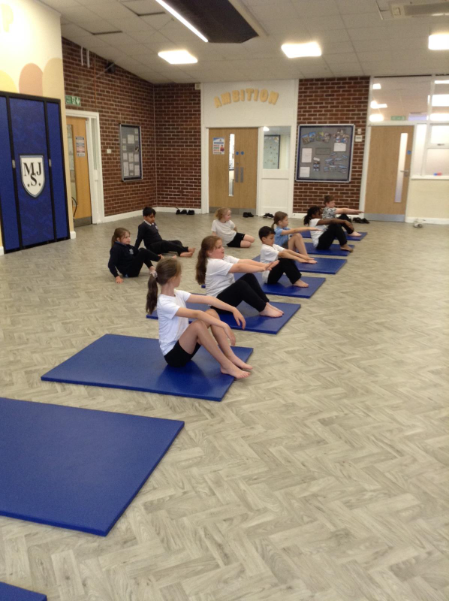
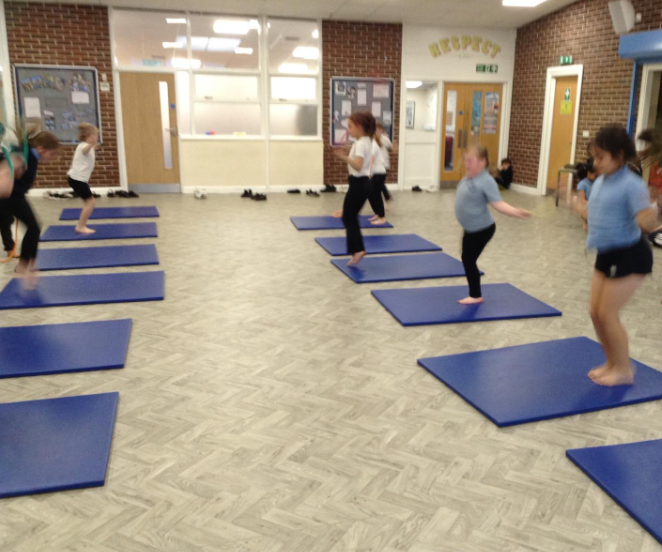
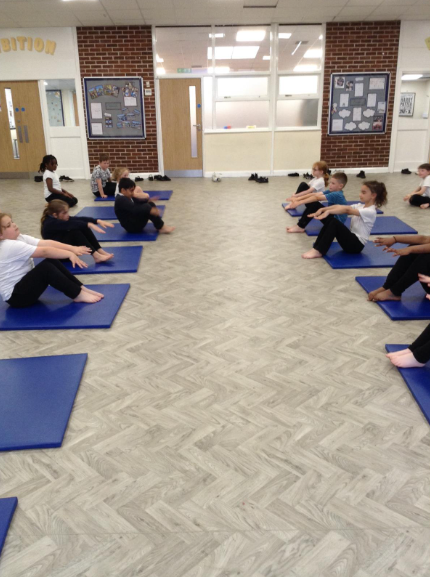
“You use the tuck position when doing a forward roll.” - Sirraj
“To be a good gymnast, you need to make sure you point your toes.” - Nadia
On Thursday 12th June, we were very lucky to meet Chris Mould. Chris is the illustrator of The Iron Man, which we have done a lot of work on earlier in the year. We have read some of the story in English as well as draw and create different Iron Mans in Art, including following a drawing tutorial by Chris. He showed us lots of different drawings that he does day-to-day and the illustrations he has done for different books. He also showed of some of the books that he has written himself.
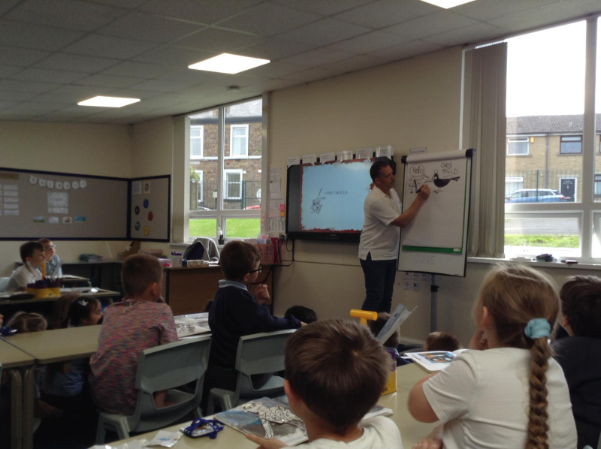
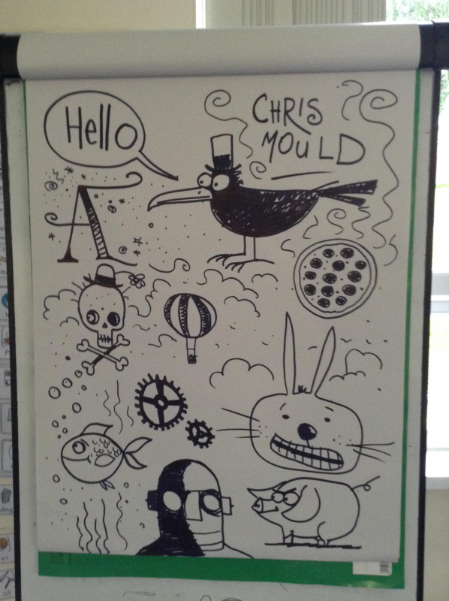
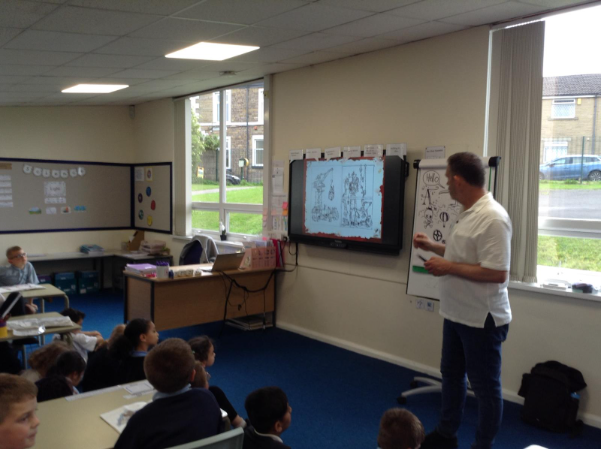
“It was really cool to meet the person that we had learnt to draw from.” - Noah
“I was amazed at how he could easily draw on the flipchart and turn random shapes into pictures.” - Abi
“Chris had constructed his own Iron Man and it was so big that he had to cut it in half to get it out of his studio.”- Teddy
3S Summer 2 Week 1
During our English lessons, Year 3 have been working as archaeologists on excavation sites in Egypt. The children ‘jumped into’ the pictures and described what they could see, feel, hear and smell. They then described the different types of artifacts that they might find when working as archaeologists, such as treasure, jewellery, rubies, diamonds and gold.
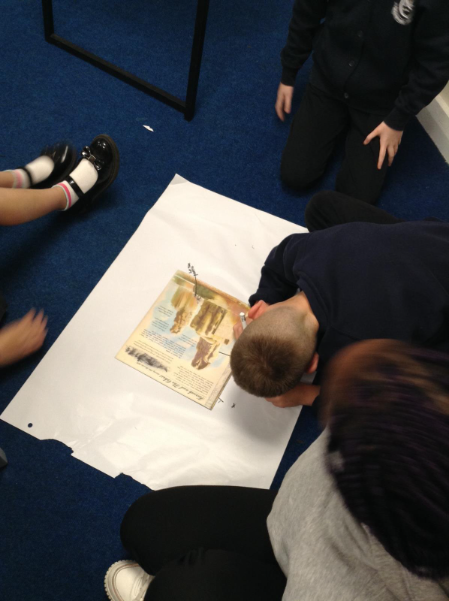
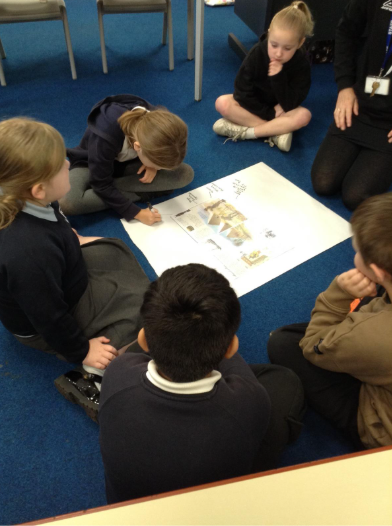
“If I were in Egypt, working on an excavation site then I would feel excited to hopefully find lots of ancient artefacts.” - Whitney
“I think the tomb would have treasure like shiny, sparkling diamonds and lots of gold.” - Nadia
Taking all the skills that we have learnt in our previous Art lessons, this week the children completed some botanical drawings. First, we looked at some artists that are famous for their botanical drawings such as Max Ernst and Maud Purdy and used their work as inspiration for our own drawings. Then the children had a go at doing their own, which involved picking specific parts of a flower to focus on drawing.
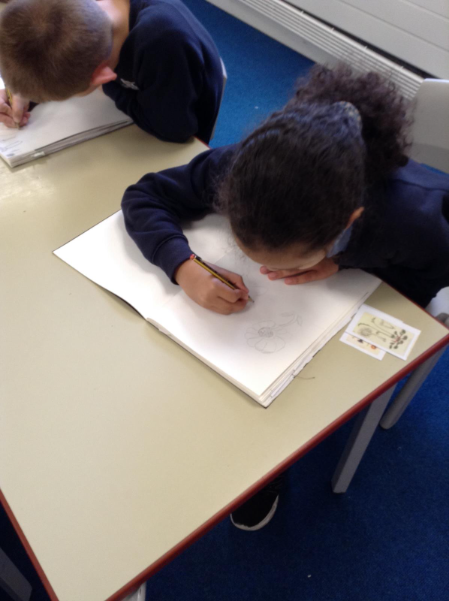
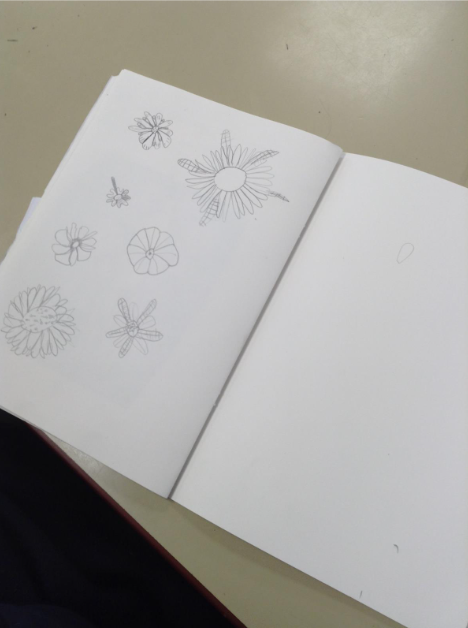
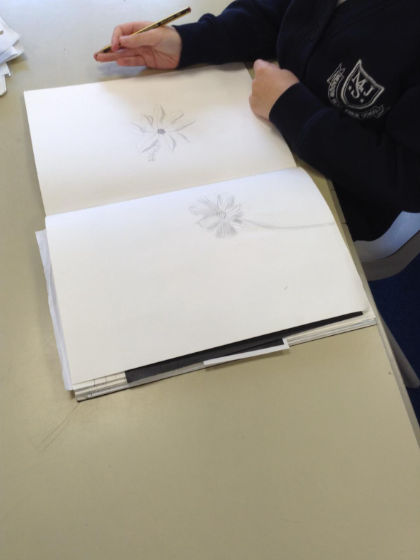
“I tried to split my drawing into shapes to make it easier to draw.” - Abi
“I focused on the middle of all of the flowers because they had lots of detail.” - Sirraj
During Geography, the children have learnt about how the climate changes as you go up a mountain. They learnt that it gets colder and windier the higher you climb, as well as what causes this. To illustrate their learning, they drew a mountain and labelled it with the information that they had learnt.
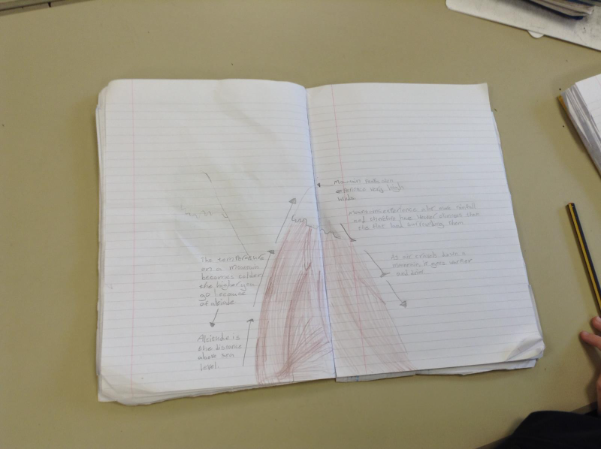
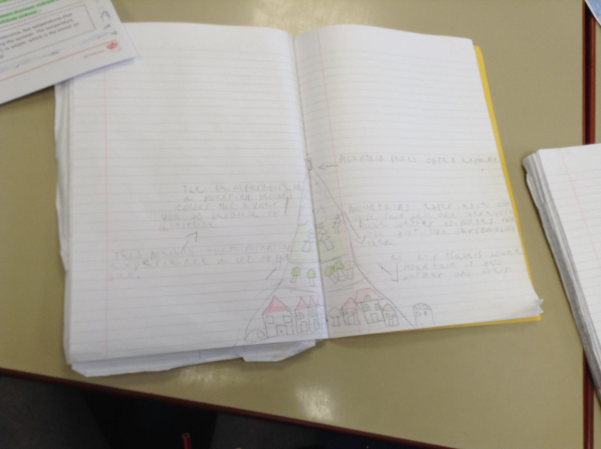
“It gets windier because mountains can protect and block the wind but when you’re at the top, there’s no mountain to protect you anymore.” - Eduard
“I thought it would get warmer as you went up because you’re closer to the sun, but it actually gets colder.” - Khodi
3S Summer 1 Week 5
Over the last term in Computing, the children have been learning about Podcasts. This week the children wrote their own podcasts. They could choose their own topic. Some of these included; animals, computers, drawing, football and nature. They then rehearsed them before recording them.
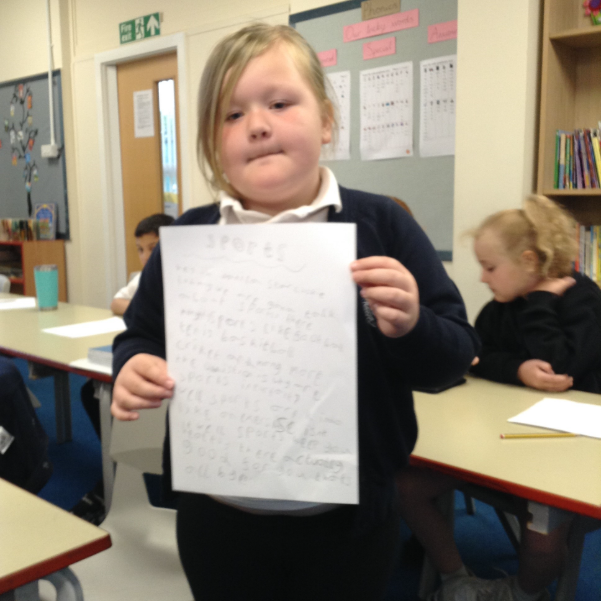
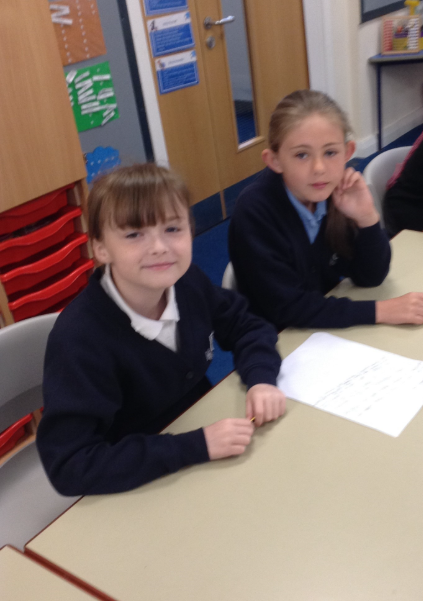
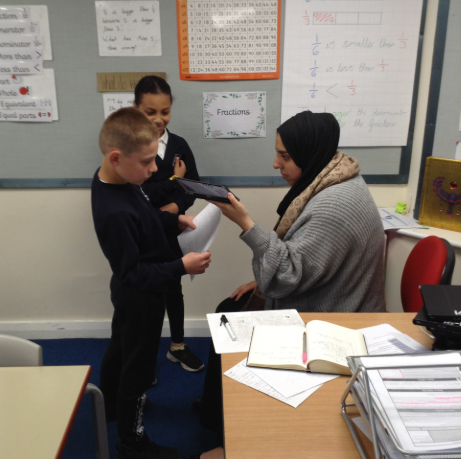
“My podcast was about football history. I gave footballers a star rating and asked the listeners to tell me their opinions too.” - Allanah
“You have to make sure to introduce yourself and what your podcast is about otherwise people won’t know what they are listening to.” - Abi
This week in French, the children started by playing a game. They went head-to-head and had to name the different foods in French before the other person. This was then followed by the children completing a worksheet to find out how much they have learned over the last term.
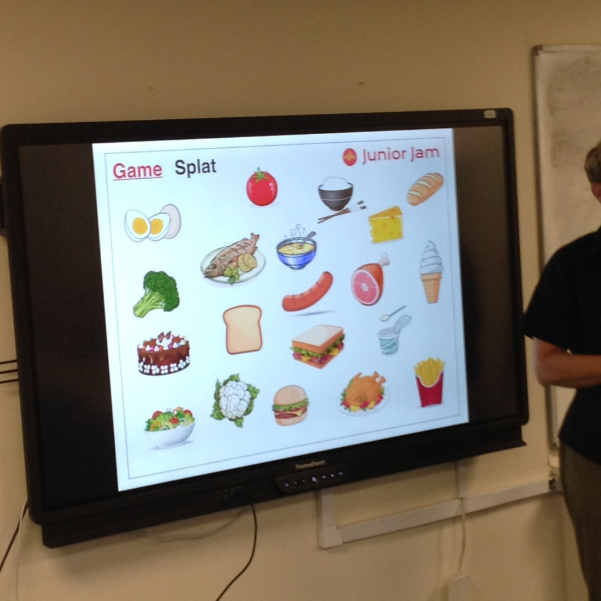
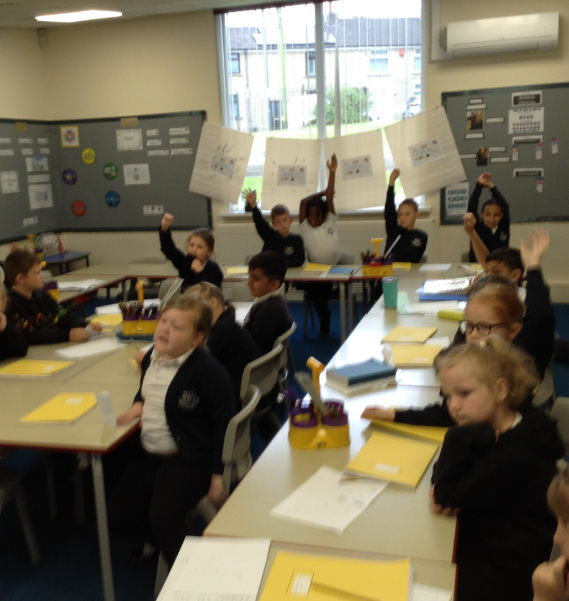
“Doing the game at the beginning helped me to remember the different foods.” - Whitney
“Some foods sound very similar to the English words that we use.” - Adunola
In PE this term, we have worked on striking and fielding. This includes how to hold a cricket bat, how to hit the ball and what to do once we’ve hit the ball. This week we had a go at using all of the skills that we’ve learnt to play cricket.
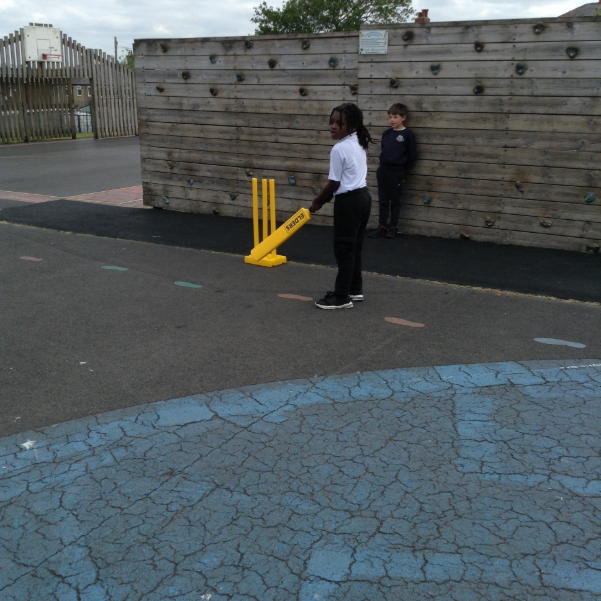
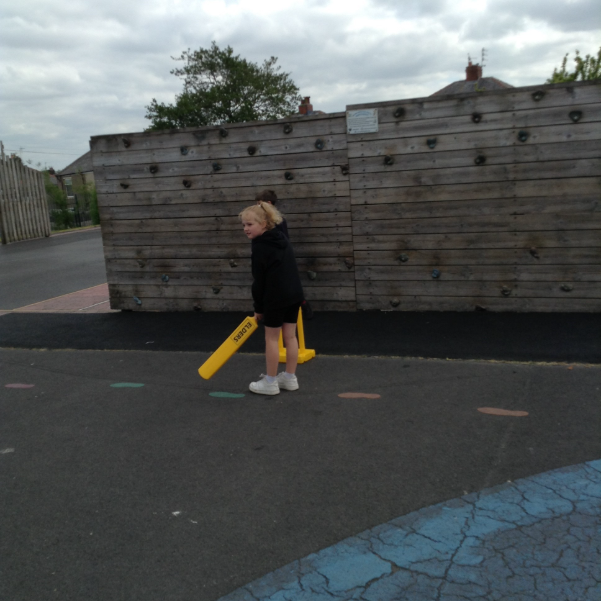
“If the fielders hit the wickets with the ball, then that means you’re out.” - Noah
“You need to make sure you run back before the fielders run with the ball, otherwise you will be out and lose the runs you’ve just done.” - Eduard
3S Summer 1 Week 4
During English this week, we have been exploring writing about a threat. In our story, the main character explores an ancient tomb and then something will happen to them that will scare them. We watched some videos and then acted out what would happen if we were there. We then discussed what we would be feeling and how we would be showing those feelings.
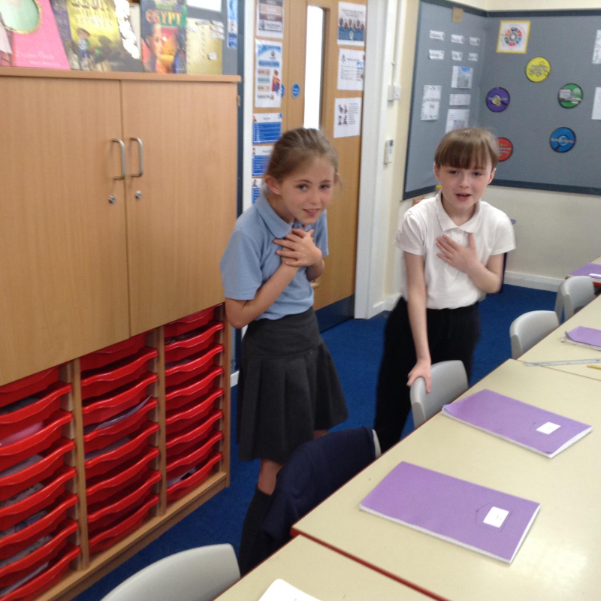
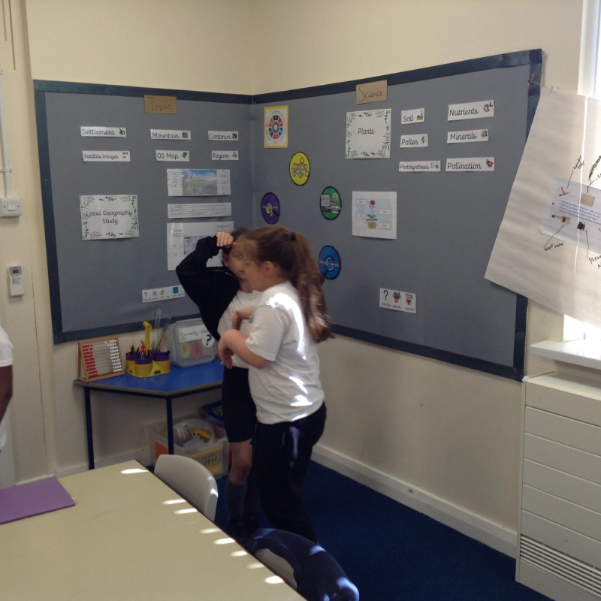
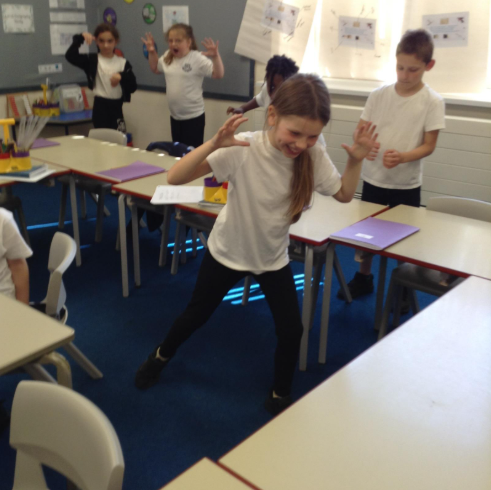
“My heart would be racing which would mean that I am petrified.” - Whitney
“My face would go pale to show that I am frightened.” - Nadia
Our Art topic this term has been Drawing: Growing Artists. We had a go at drawing a picture of some objects by ourselves then we drew the shapes we could see instead. We identified the different shapes that we could see in the drawing. We then used these skills to draw other objects.
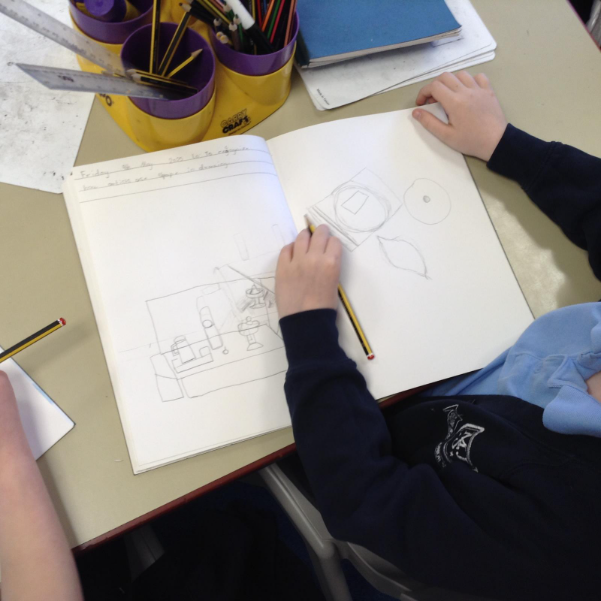
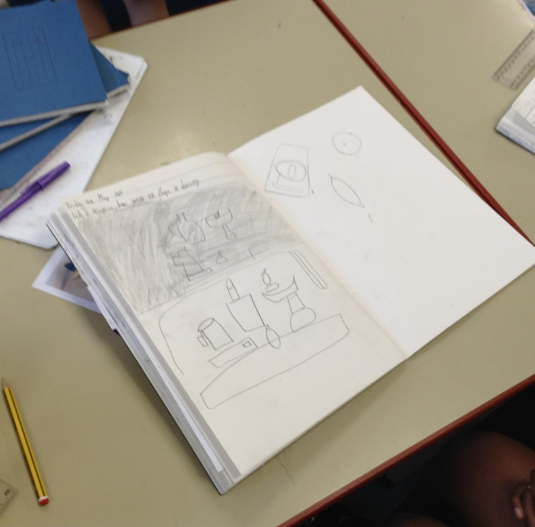
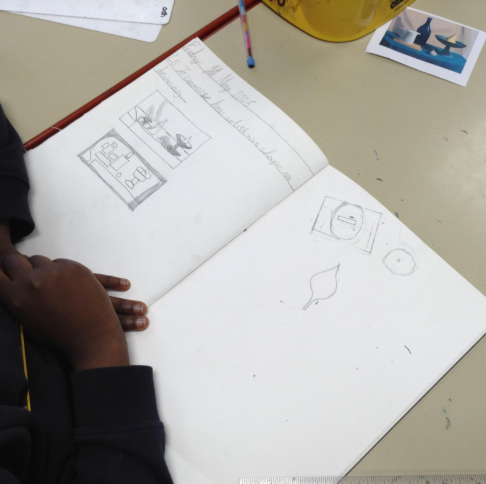
“It can be hard to just start drawing, so putting it into shapes first is a good way to make a start.” - Abi
“Everything around us is made of shapes so if you can draw the shapes then you can draw anything.” - Khodi
On Friday 16th May, we celebrated ‘Wear it Green Day’ for Mental Health Awareness Week. We got to come into school wearing green and we learnt about why we remember Mental Health Awareness Week. We did some work on how to keep a healthy mind by discussing what brings us joy, how we feel included, how we can give to others to help them feel better, making sure we get enough sleep, how we can stay active and what makes us feel ‘WOW’.
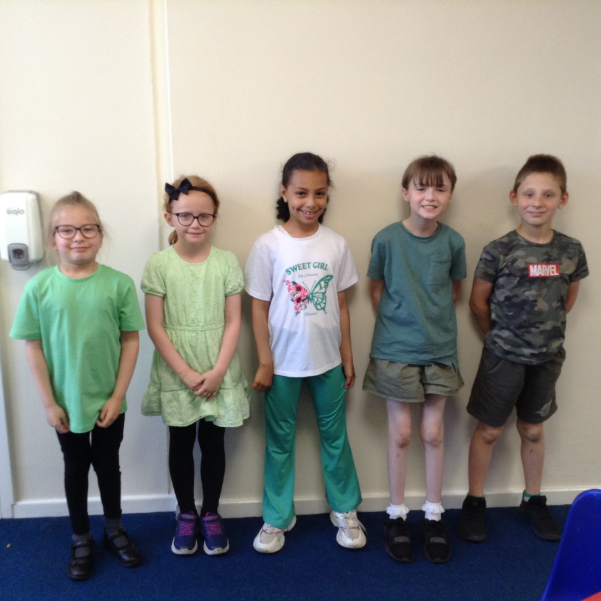
“Walking my dog with my family is a way that I stay active.” - Rose
“I feel included when my friends let me play with them.” - Nadia
3S Summer 1 Week 3
During PE, we have been working on our batting skills. We used the cricket bats and the tees to learn how to hit a target with a bat. We also showed our fielding skills. We finished the lesson with a competition for who could get the most runs after they’d hit the ball.
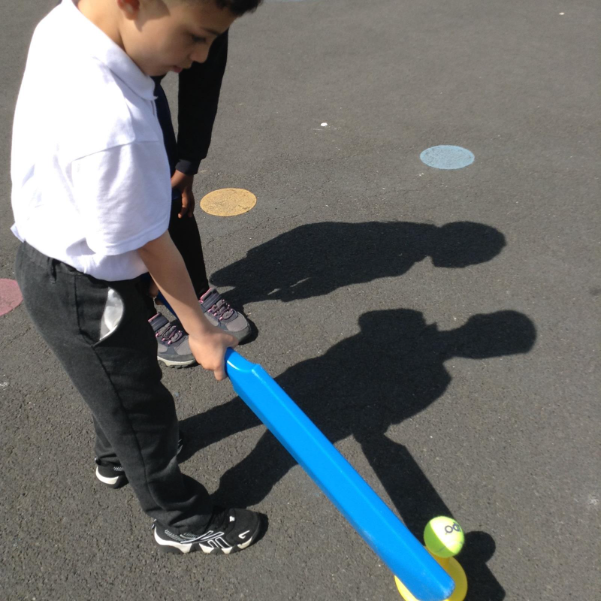
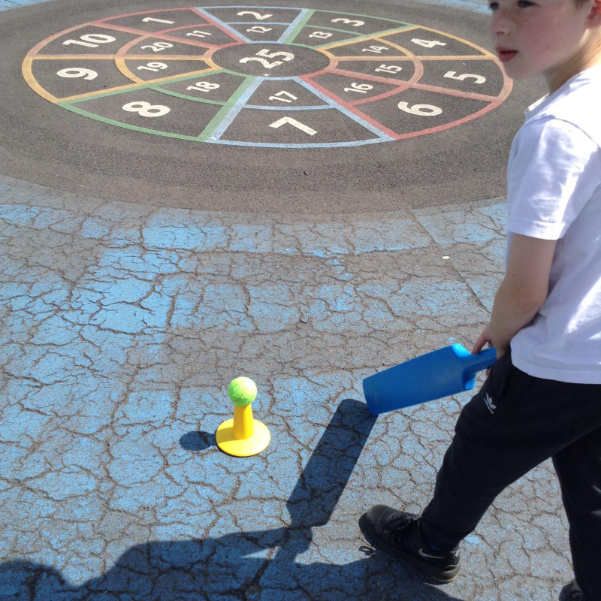
“If you are right-handed, you should hold the bat with your right hand at the bottom.” - Teddy
“You need to make sure to be side on so that you can swing your body round with more power.” - Khodi
For RE, we have been learning about the rules that different religions follow. This week we focused on Judaism. We learnt that they follow the 10 commandments like Christians do but that they also have food laws. We created a menu for them that follows their food laws and that they would be able to eat.
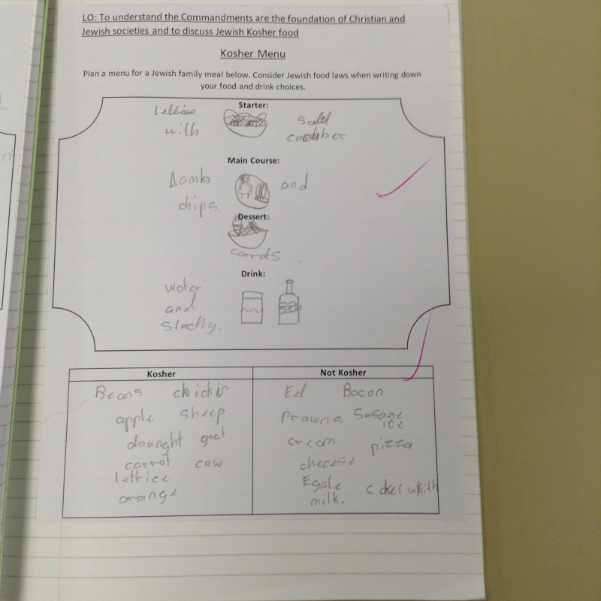
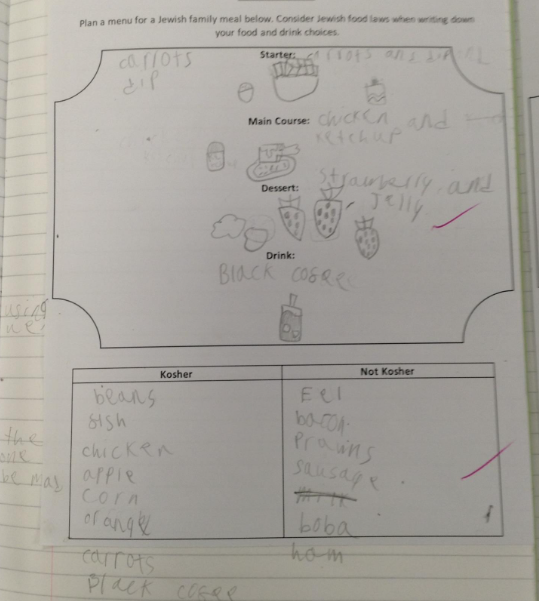
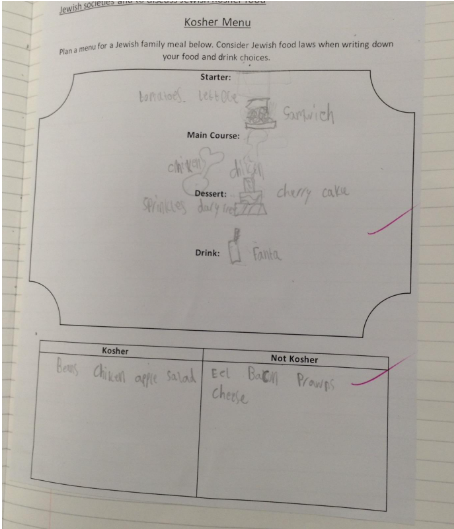
“If Jewish people can eat a food, then they call it Kosher.” - Allanah
“They can’t eat dairy and meat together, they have to wait inbetween eating them.” - Bryan
On Thursday 8th May, we celebrated the 80th anniversary of VE day. We got to come into school in red, white and blue clothes. We started the day joining a live assembly with lots of other schools to remember why VE day is so important. We spent the rest of the day doing VE day activities and had lots of fun celebrating.
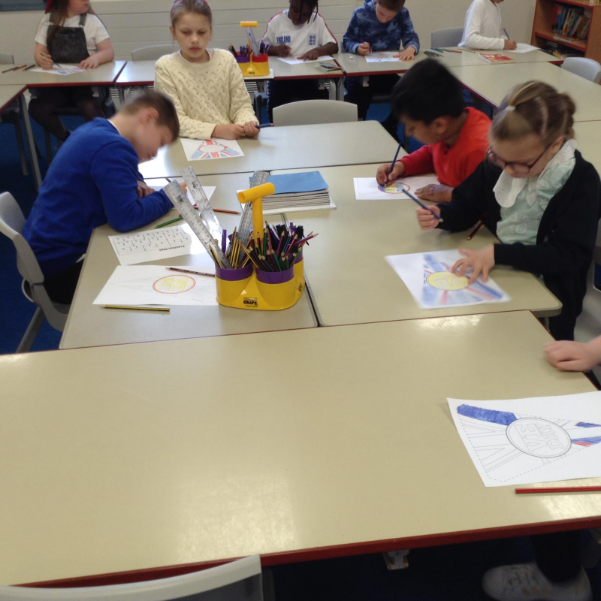
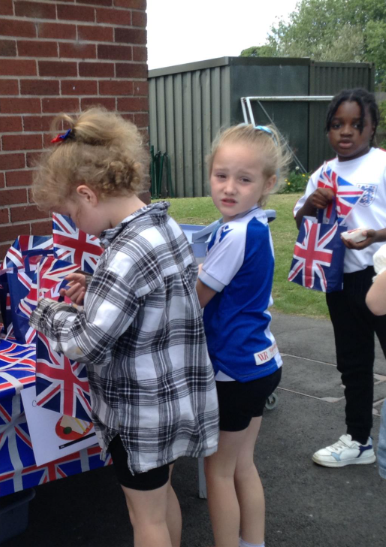
“VE day is important because it helps us to remember of the soldiers that died during World War 2.” - Nadia
“It has been 80 years since the Second World War ended which means we should have a big celebration.” - Whitney
3S Summer 1 Week 2
In English, we explored different pictures about the new text we will be reading. We wrote down ideas of what we thought the pictures were, what job this person might have and how they might use these objects. We then used our ideas to write a prediction for what we think the next book will be.
“I think it could be an archaeologist because they would use the shovel to dig, the wheelbarrow to store the sand and the paintbrush to clean artifacts.” - Issac
“I think it could be about Egypt because the paper looked more like papyrus which we’ve seen in History.” - Noah
In Science, we have started our topic of plants. We discussed the different parts of a plant and what they all do and labelled these on our diagrams. We then explored outside to see lots of different flowers to see the parts we had learned about.
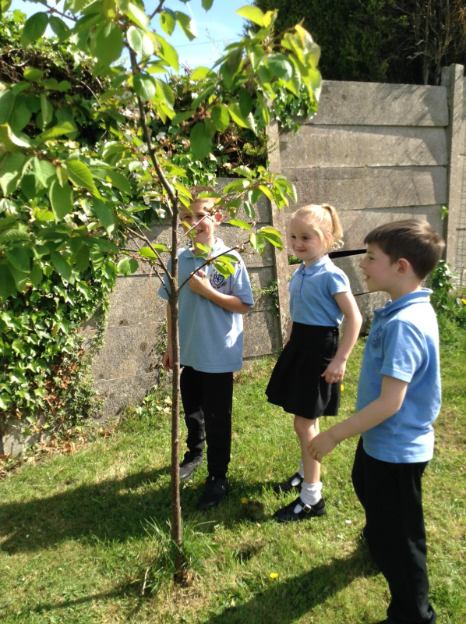
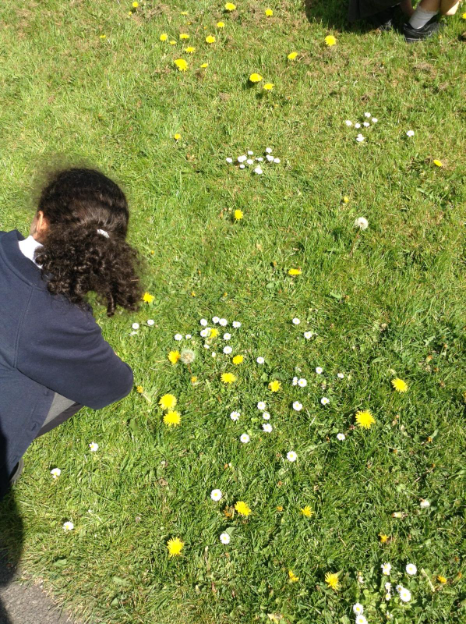
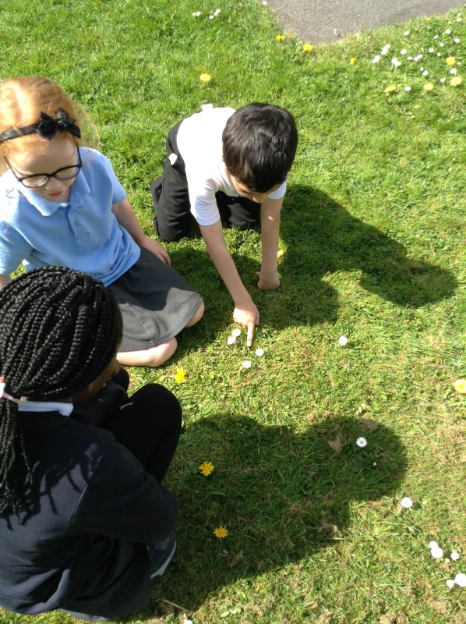
“Even the trees had flowers on them so bees will pollinate them too.” - Leen
“The flower part of a plant is colourful so that it will attract bees.” - Hollie
In PSHE, we discussed the different job roles people can have. We also discussed what qualities somebody needs to have in order to do their job well and whether there are any jobs that are better suited for men or women.
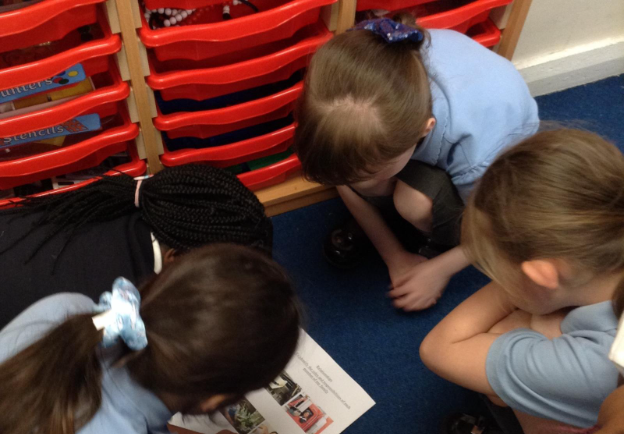
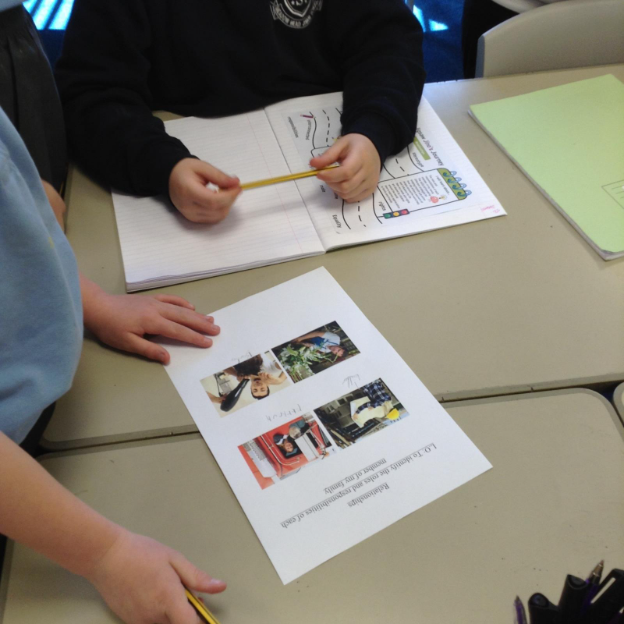
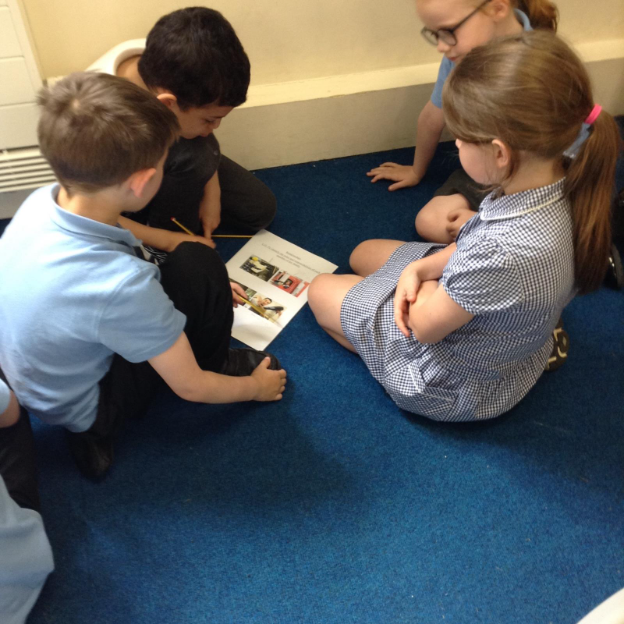
“Athletes can be men or women because you just need a good talent in sport to take part.” - Khodi
“You can do any job that you want to, it shouldn’t matter if you are a boy or a girl.” - Eduard
3S Summer 1 Week 1
This week we have been doing work on VE Day. We learnt why this day is important and a few days of different activities. We learnt about some important people who helped win the war, the jobs that people were doing at home to help those that had gone to fight, how people celebrated the end of the war and how Britain is more multi-cultured today.
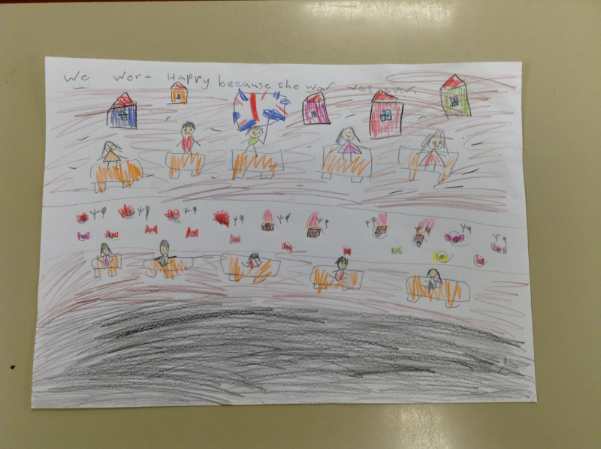
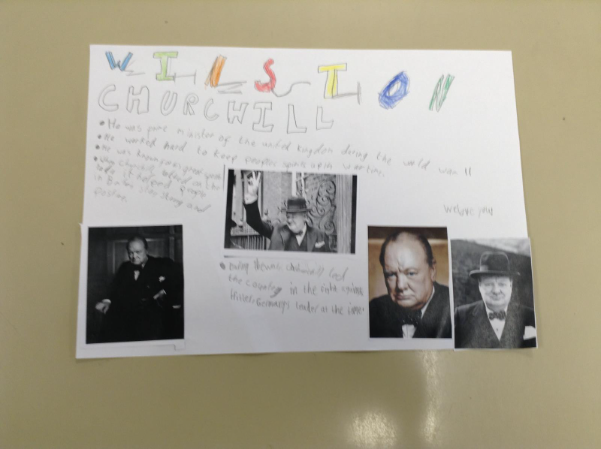
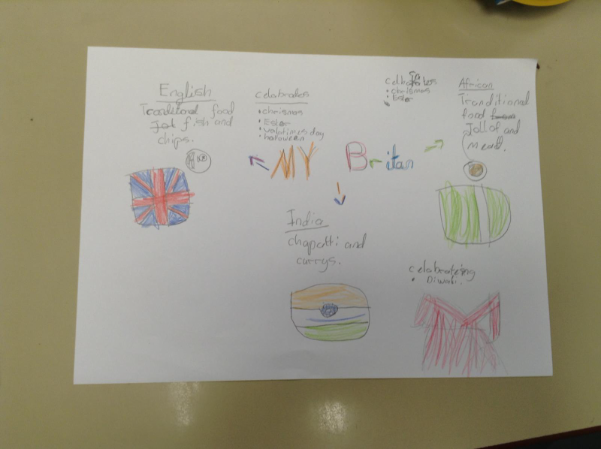
“I found out that my family fought in the war and we still have the medals.” - Hollie.
“Alan Turing helped break codes during the war.” - Issac
“People were really happy when the war ended because it meant that their family that were fighting could come home.” - Nadia
During Maths, we have been practising the column method in addition and subtraction. We worked hard to make sure we were writing all the numbers lined up in the correct places so that we knew which numbers we were working with.
“You have to make sure that your hundreds are in the hundreds column, the tens are in the tens column and the ones are in the ones column.” - Eduard
“In subtraction, you can’t just swap the numbers around, you need to exchange otherwise you’ll get the wrong answer.” - Noah
In PE, we worked in teams to practise our underarm throw and aiming. We had to try and get all 3 beanbags in the 3 different hoops. Then, we threw the beanbags to one another but through a hoop to build our aiming skills.
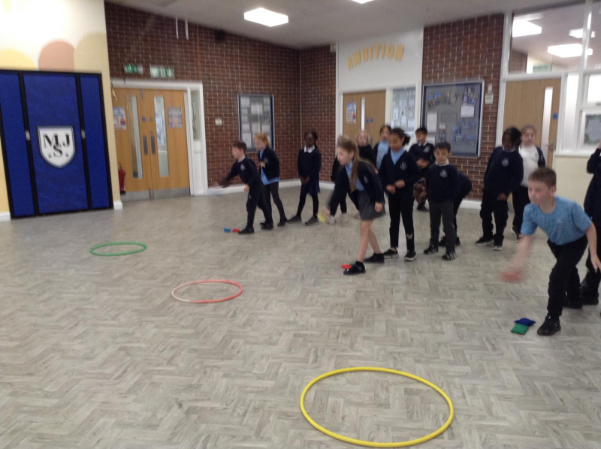
“When throwing underarm, your opposite leg must step forward.” - Sirraj
“Putting your arm out can help you when aiming.” - Allanah
3S Spring 2 Week 6
Our topic for PSHE this term has been Healthy Me. This week we discussed our attitudes and feelings towards drugs. We looked at some pictures in groups and wrote out thoughts around them. We then shared our thoughts with the class.
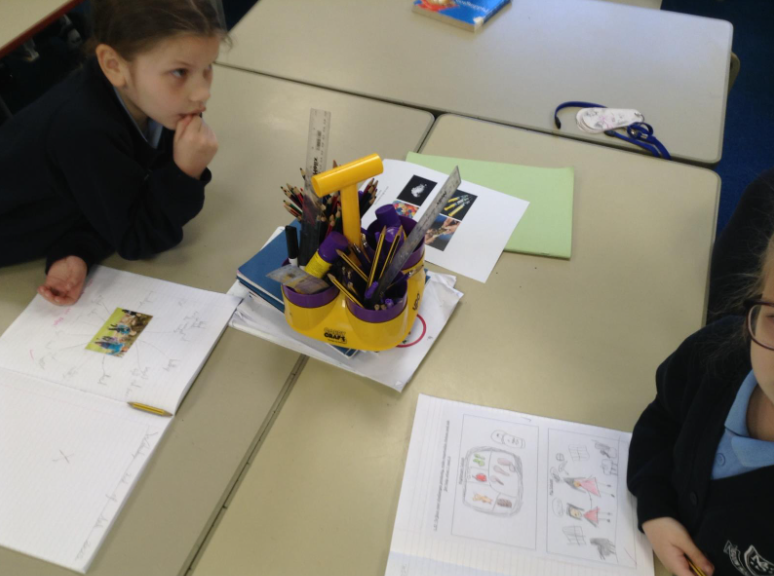
“Sometimes drugs can be safe like medicine from a doctor.” - Issac
“You shouldn’t take medicine if you don’t know what it is because you could get sick and need to go to hospital.” - Layla
Our behaviour treat this term was playing Quidditch! We were taught how to play, which involved passing a ball (a quaffle in Harry Potter) to each other to get it into the goal. Then we could throw other balls (bludgers) at each other which meant we had to stop playing and run to our goal posts and back before continuing.
We also got extra time because our class had the best attendance this term! The second time we played, they introduced the golden snitch and if you managed to tag them then you got bonus points. We had lots of fun with this half term’s behaviour treat!
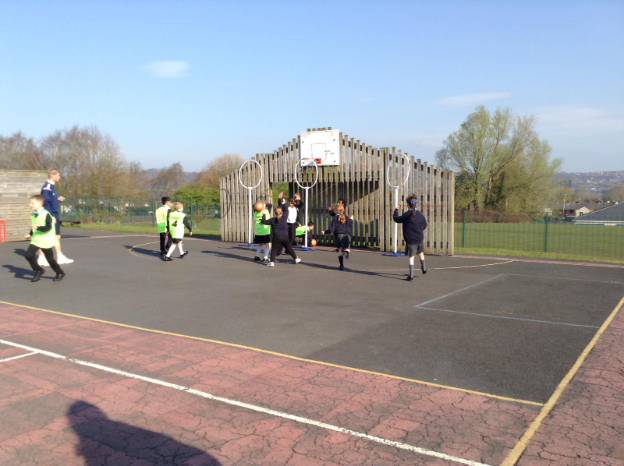
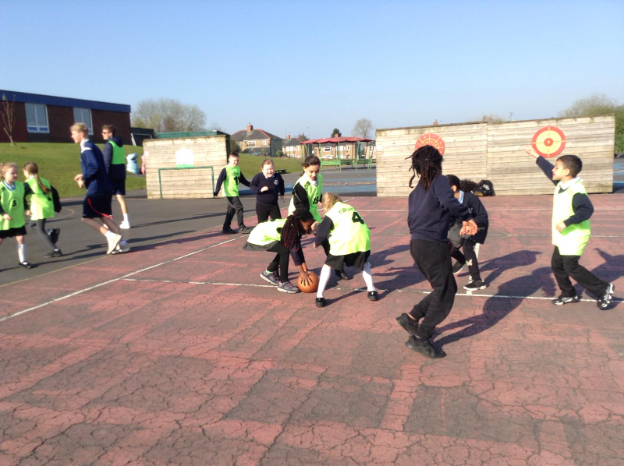
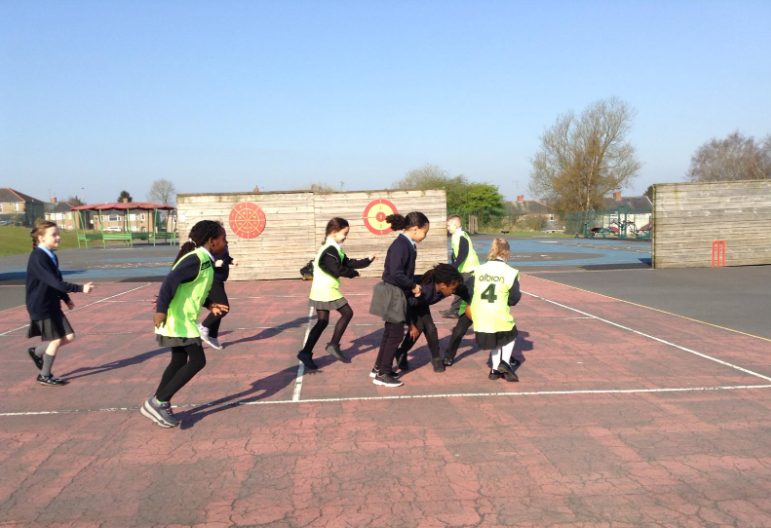
"It was fun, but it was difficult because you couldn't move whilst you were holding a ball" - Eduard
"It would be even better if we could use broomsticks like in Harry Potter." - Hollie
"When the bludgers were added, it made it even harder because you had to run back to the goal posts before playing again." - Abi
During DT, we have looked at different Easter hanging decorations. We then designed our own and this week we got to make them. We used our sewing skills from previous lessons to sew some felt together before stuffing them and decorating them. We had Mrs Parkinson pick her 2 favourite decorations to win an Easter egg each.
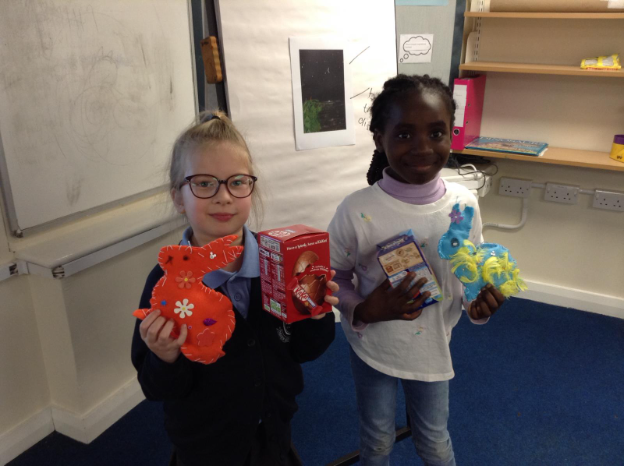
"We could do running stitch or over stitch to join our pieces of felt together. I chose the running stitch because I find it a bit easier." - Noah
"We had to stitch our felt together to make sure that none of the stuffing would fall out. It was a bit a=of a challenge to make sure the thread didn't come off the needle." - Sirraj
3S Spring 2 Week 5
We have started the topic of 2D shape in Maths this week. We started by looking at identifying what a right angle looks like. We then moved onto understanding turning clockwise and anticlockwise in right angles and how to identify how many right angles are in different 2D shapes.
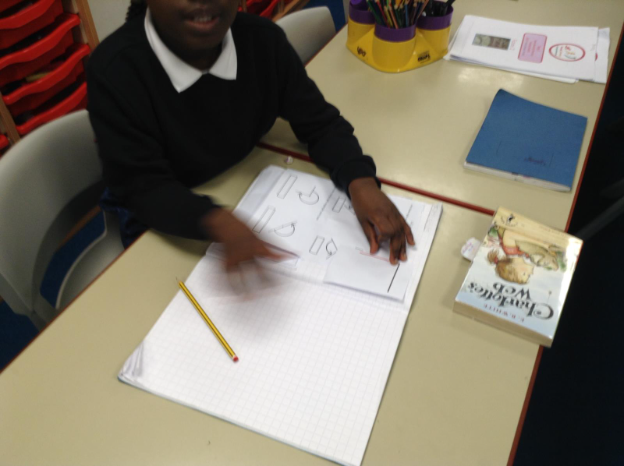
“If an angle has gone in a full circle, then it has turned 4 right angles.” - Teddy
“If an angle starts at the top and goes round like the face of a clock, then it is going clockwise” - Alexa
Our History topic for this term is the Ancient Egyptians. We have looked into what artifacts are and how they are used to help historians know what happened in the past. We looked at an artifact together and came up with questions we had and what we thought the artifact was, how old it was and what we could see in it. We have learnt all about how the Egyptians used the River Nile.
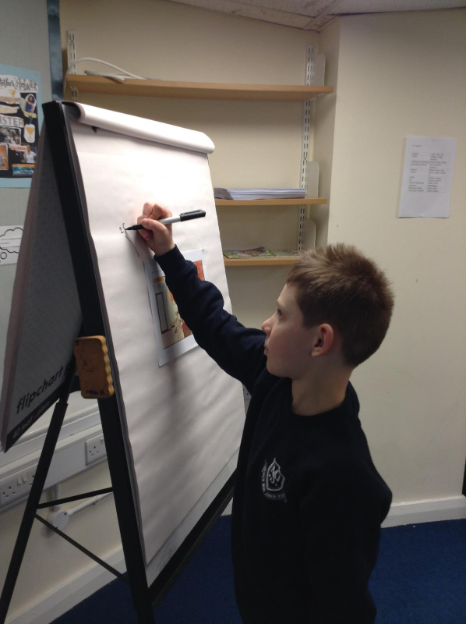
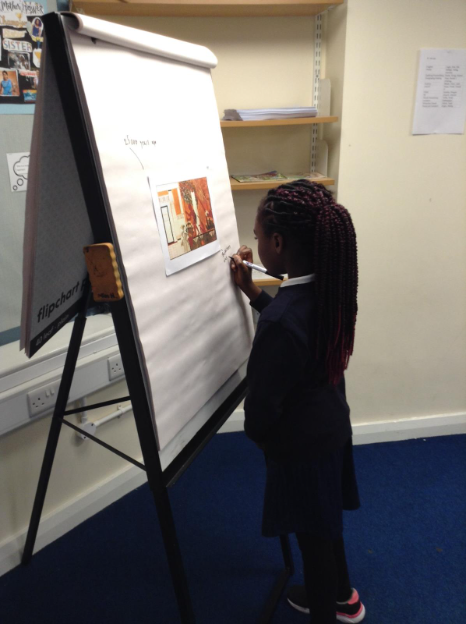
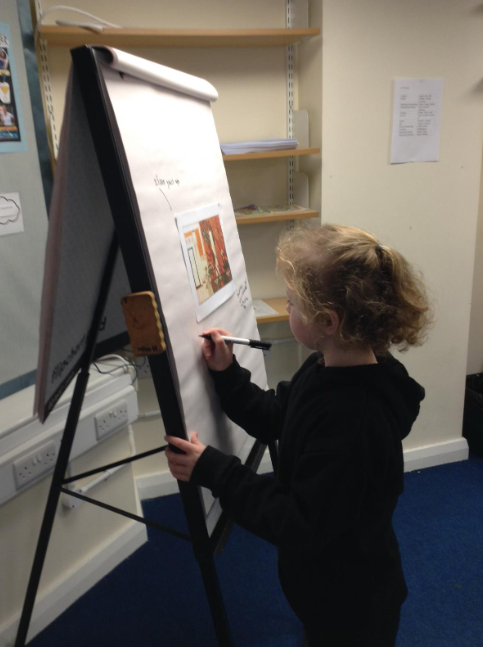
“I thought the artifact looked like a man digging a hole but now I know that he was using a Shiduf which was used to transport water.” - Eduard
“The Ancient Egyptians believed that there were thousands of gods whereas most people today believe that there is only one God.” - Leen
During our English lessons, we have been reading Jemmy Button. This week, we wrote a character description of Jemmy Button when he was living in the city and missing home. We used hot-seat to help us do this. Some children pretended to be Jemmy Button whilst we asked him questions about living in the city and wanting to go home.
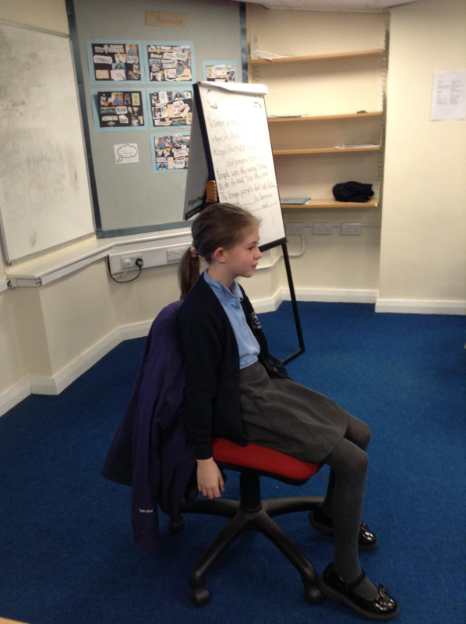
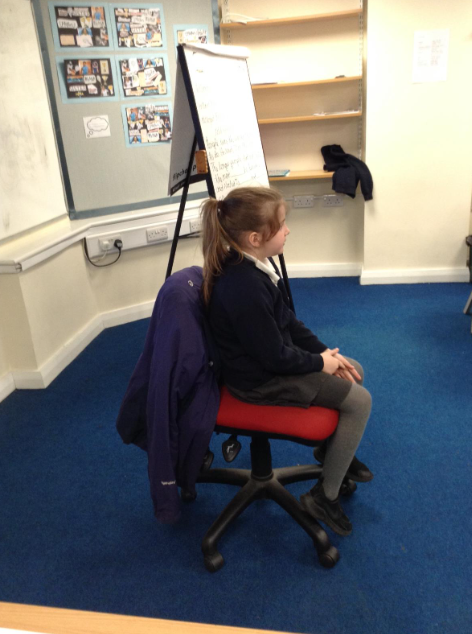
“I think he would feel anxious because the city is very noisy, but his home wasn’t.” - Kaima
“He would probably be slouching if he wasn’t happy.” - Adunola
3S Spring 2 Week 4
During our Junior Jam French lessons, we have been using new vocabulary to count form 20-29. We learnt that numbers between 20-29 can be formed by adding “et”. We have also revisited the work we have done so far in Months of the Year, Fruit and Colours. We finished the lesson with a game of multiples.
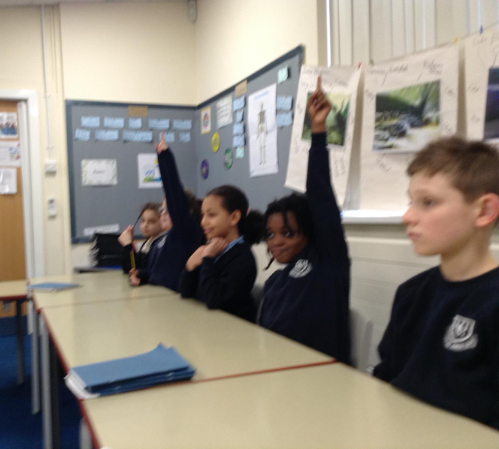
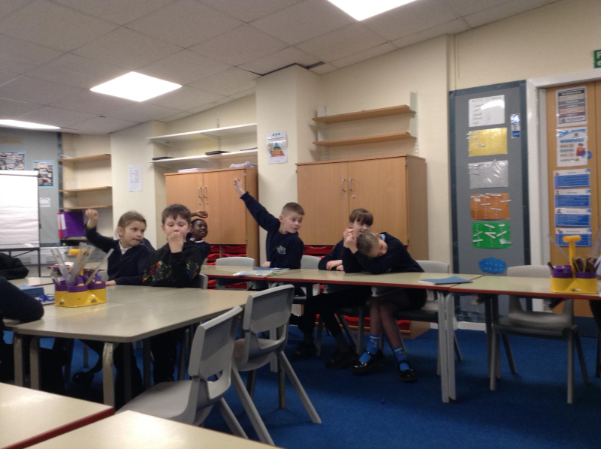
“French numbers are similar to English numbers because we say twenty-three and in French, we say vingt-trois which is the same.” - Nadia
“The months of the year sound similar in English so some of them are easy to remember.” - Layla
In PE, we have been practising our football skills. The children were put into pairs to practice passing and tackling. We learnt what part of our foot needs to be used to do these skills before having a go ourselves.
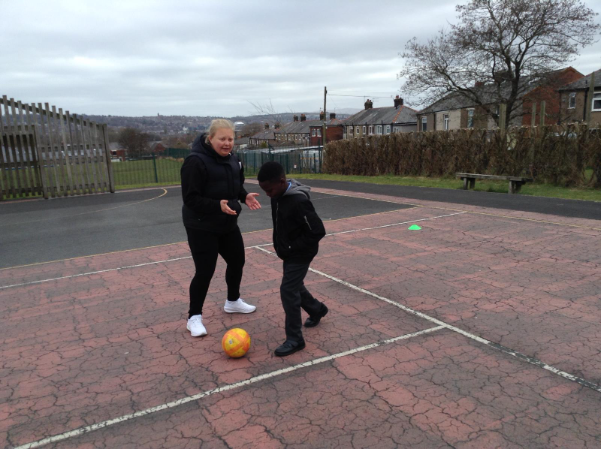
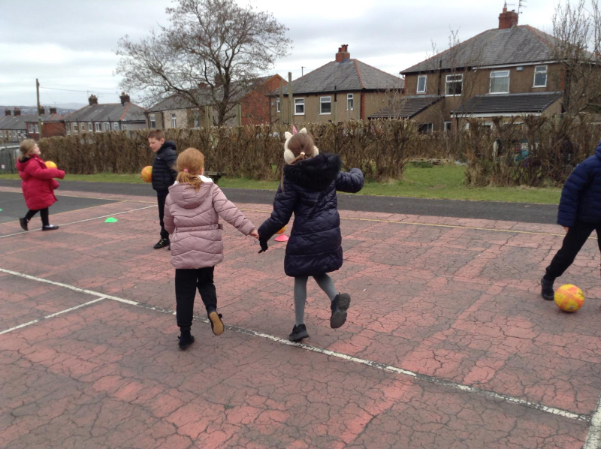
“It’s hard to try and keep your eye on the ball whilst also kicking it because it’s like doing many things at once.” - Sirraj
"It’s important to let the person know that you are passing the ball to them so that they know to be ready.” - Alexa
In Music, we started the lesson by recapping last week’s lesson before moving onto diction and characterisation. We listened to a song then we were asked about what lyrics we heard. We finished the lesson by singing Defying Gravity from Wicked as a class.
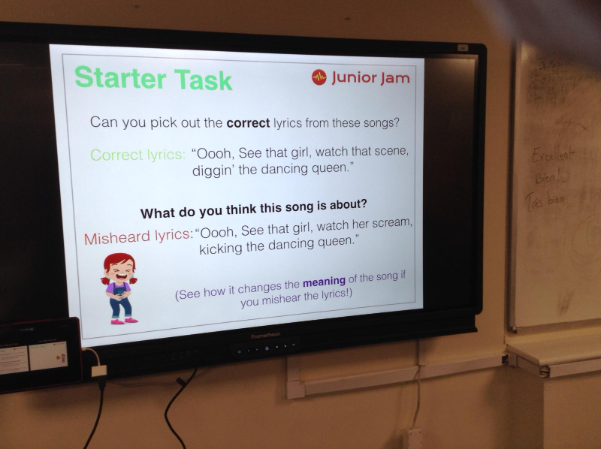
“I really enjoyed the singing part but you need to make sure that people can understand what you are saying whilst you sing.” - Kaima
“Diction is making sure that you are pronouncing the words correctly when singing.” - Eduard
3S Spring 2 Week 3
In English, we have started our new book for this term. It is called Jemmy Button by Alix Barzelay. We looked at a couple of the pages and imagined what it would be like if we were there. We acted out what our reactions would be before writing some vocabulary to describe our reactions.
“I would be a little bit scared because it is dark.” - Nadia
“I would be curious because of all the fish.” - Layla
This week was Science week. We focused on climate change and how this affects the world. We linked this back to our previous Geography lessons with rivers and how pollution can affect rivers. We wrote letters to the world to tell everyone what is happening and how people can help stop polluting rivers. We then learnt a song about the environment and performed this in class.
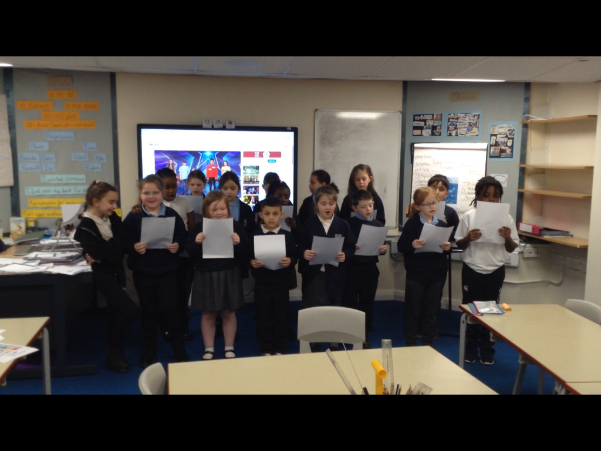
“If people litter in rivers then animals can get trapped in plastic and die.” - Rose
“You could help by picking up litter but only if it is safe to do so.” - Hollie
In RE, we have been looking at what happened to Jesus during Easter. We looked at 3 pictures to do with the Palm Sunday, Good Friday and Easter Sunday. We discussed how these are pictures of joy or sadness and what the pictures show us. We then wrote our ideas around the pictures.
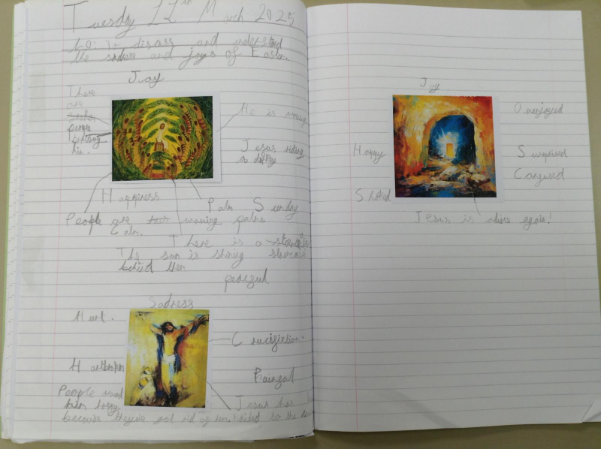
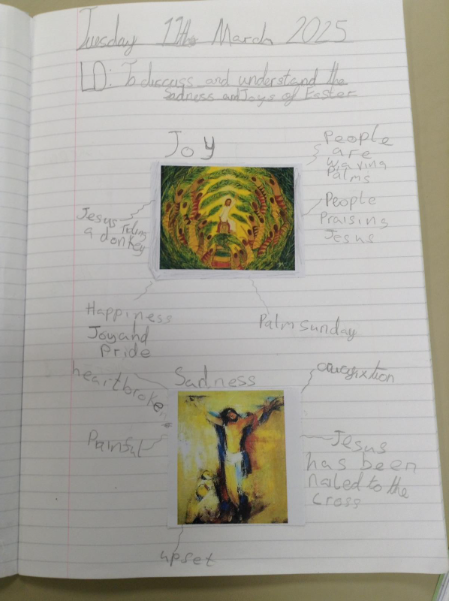
“Easter can be a time of joy and sadness because it is sad that Jesus died but we feel joy that he came back.” - Adunola
“It was sad that Jesus had to die but it is important we remember it each Easter.” - Ava
3S Spring 2 Week 2
We have spent some lessons to focus on our Oracy skills. We were given statements and decided whether we agreed or disagreed with them. We then discussed this in partners whilst ensuring that we could politely disagree to allow for a good discussion. Some children then had their discussions in front of the class to show their oracy skills that they had learnt.
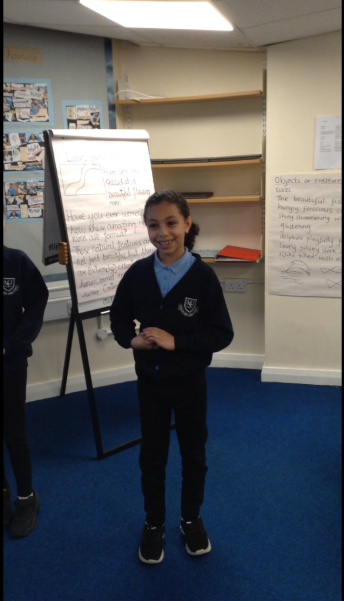
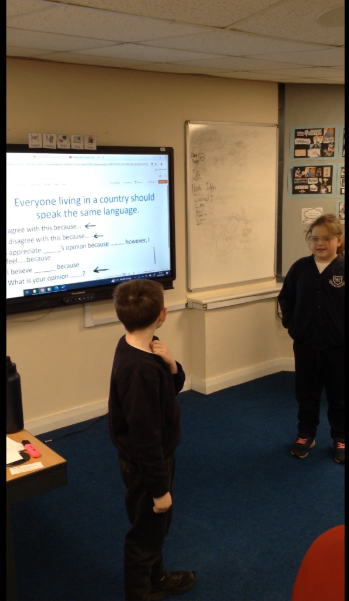
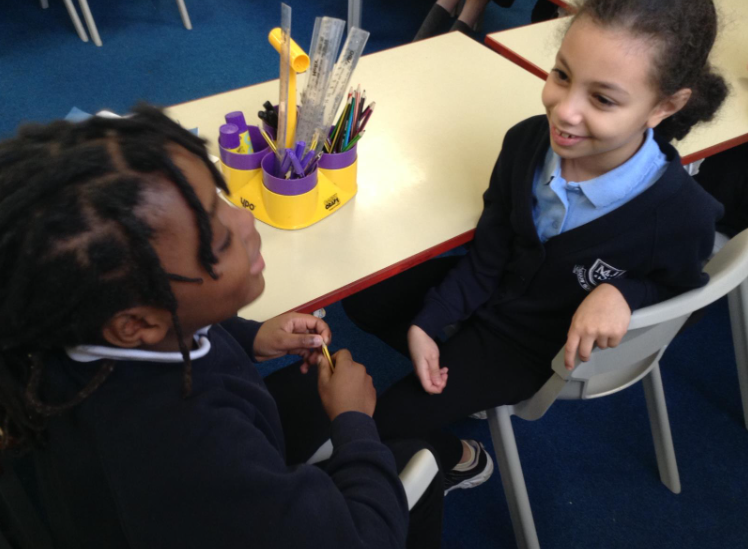
“It’s okay to disagree with someone but it is important to make sure that you do it in a kind and polite way without hurting their feelings.” - Whitney
“You can’t always agree with someone but you need to be respectful of their opinion.” - Bryan
Thursday 6th March was World Book Day. Lots of the children came in costumes or T-Shirts that had been made at the Stay and Read event. We drew and wrote about why we chose to dress as this character for World Book Day. We then shared this with the rest of the class. We had lots of fun discussing the characters we were dressed as and why we chose to dress as them for the day.
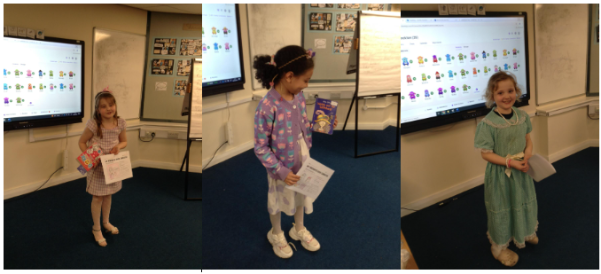
“My character was Gangster Granny because I think she is really funny and I wanted to make other people laugh.” - Hollie
“My character keeps getting herself stuck in different problems so the story is really interesting and funny”. - Allanah
In PSHE, we have been looking at facing new challenges and what ways can help us achieve these. We talked about how we had faced the new challenge of stitching in Art and what we did to help us make out finished product.
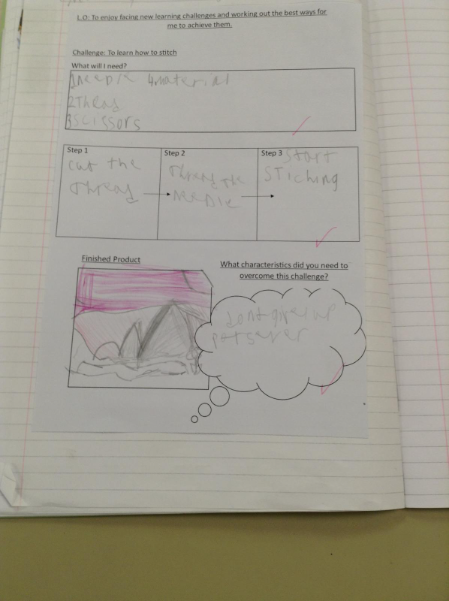
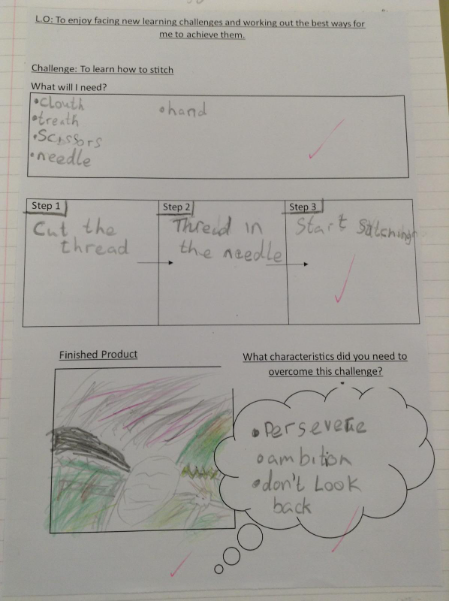
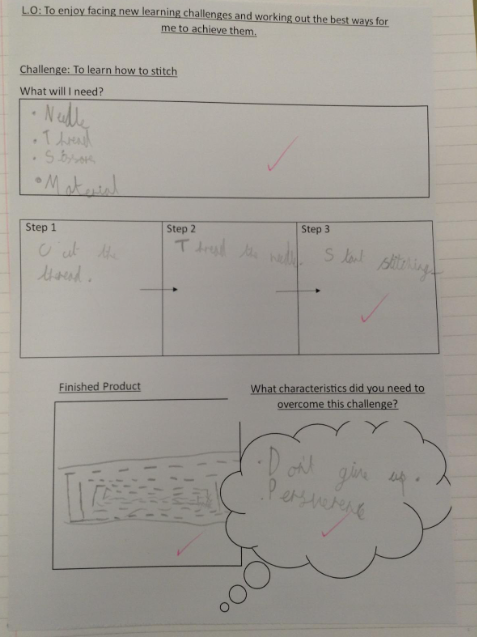
“You need perseverance which means to keep going, even if you feel like giving up.” - Leen
“If you don’t look back and keep going forward then the challenge won’t seem as hard.” - Adunola
3S Spring 2 Week 1
Our Science topic for this term is Forces and Magnets. We started this topic by recapping what we already know about magnets. We then learnt that magnets have a north pole and a south pole, which ends attract and which ends repel each other. We used magnets to experiment with this.
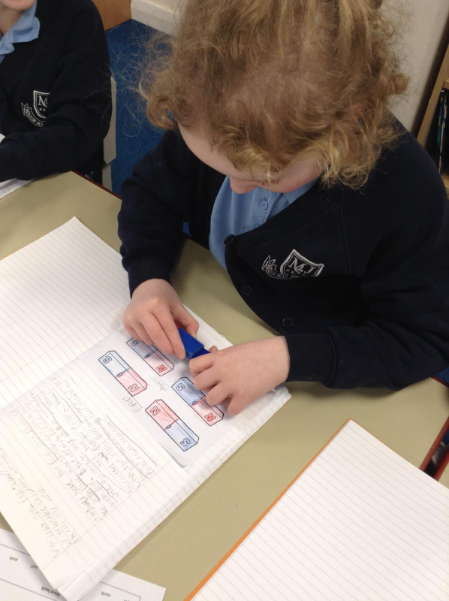
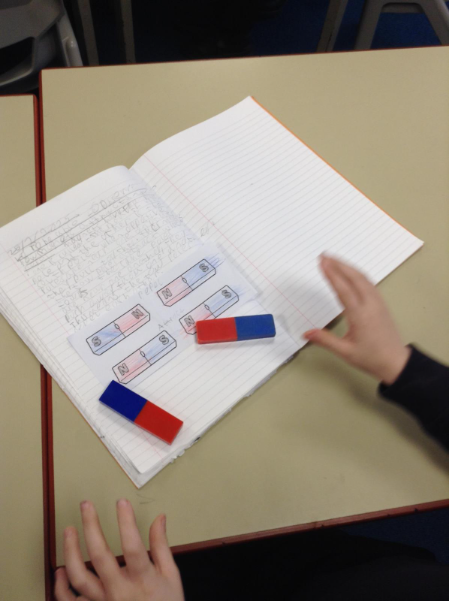
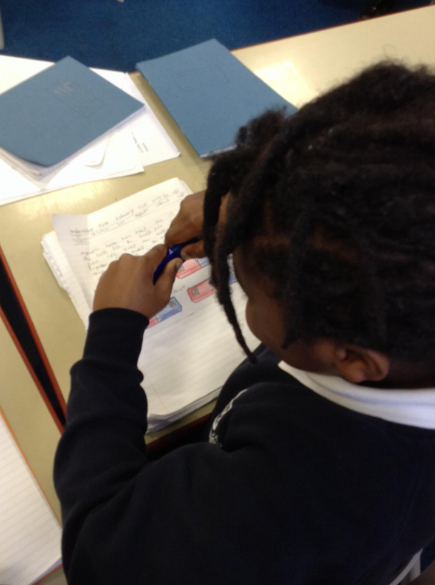
“When magnets repel, you can feel them pushing each other.” - Sirraj
“If the poles are the same then they will repel but if they are different then they will attract.” - Eduard
In Maths we have started the topic of fractions. We have recapped how to identify what fraction a shape is split into and have moved onto finding fractions of numbers. We used concrete resources to help us with our learning by sharing out base 10 into groups.
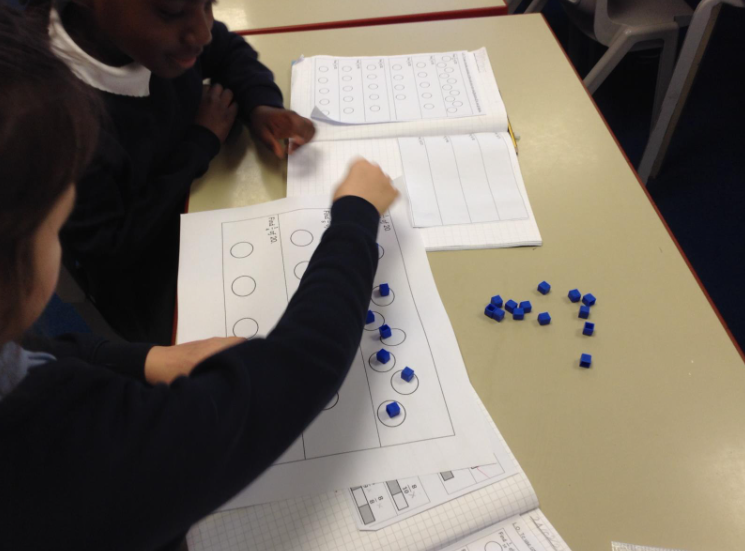
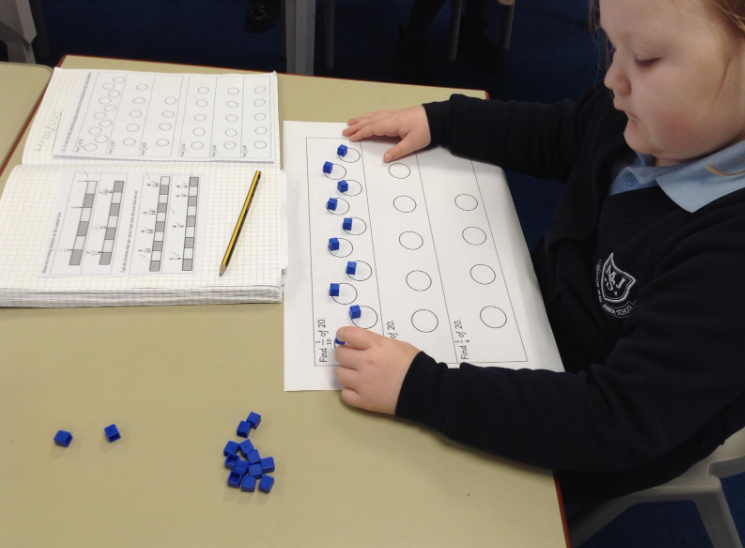
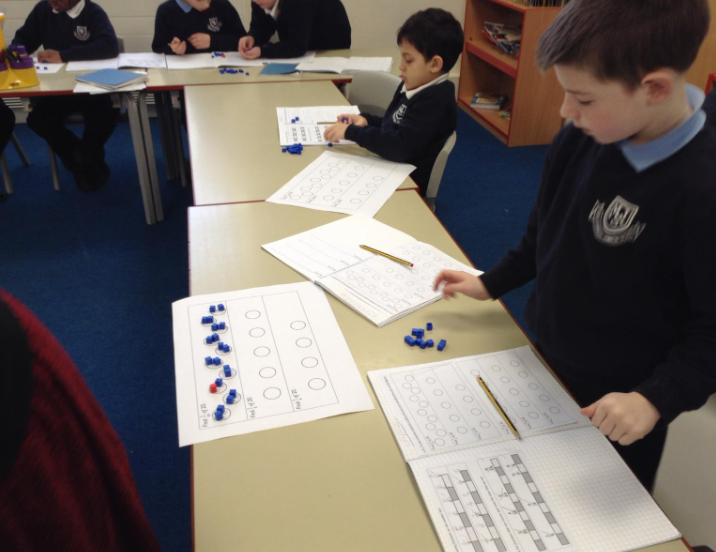
“It is very similar to when you divide a number sometimes you need to count the total in a few groups such as if you were finding 3/5 of something.” - Leen
“The number of groups is the same number as the denominator so if you needed to find 1/7 then you would need to make 7 groups.” - Noah
In PE we learnt how to do a pull throw. We first tried getting out beanbags past certain points, moving the line further back each time before practising adding an accuracy element to it. We then turned this into a game to see which team could score the most points.
“The pull throw is like throwing overarm so you need to make sure your arm is in an L shape.” - Teddy
“You should take your time when trying to throw at a target because it will help your accuracy.” - Alexa
3S Spring 1 Week 6
In Art, we have been looking at combining painting and thread together to make a piece of artwork. We practiced painting a landscape in our books and then painted it onto cloth. We then learned some different types of stitching which we then added to our painted cloth.
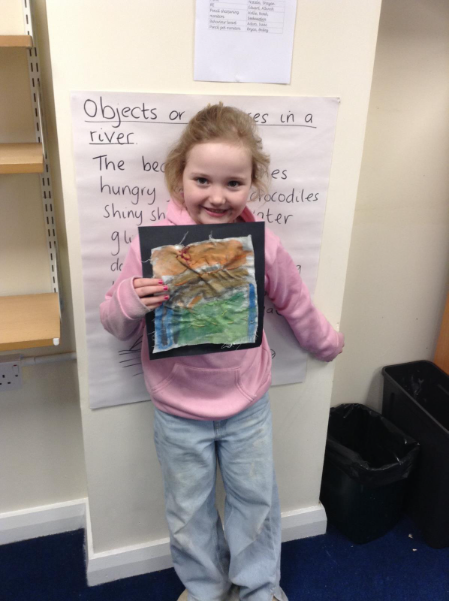
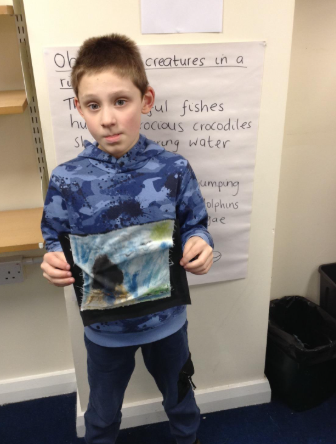
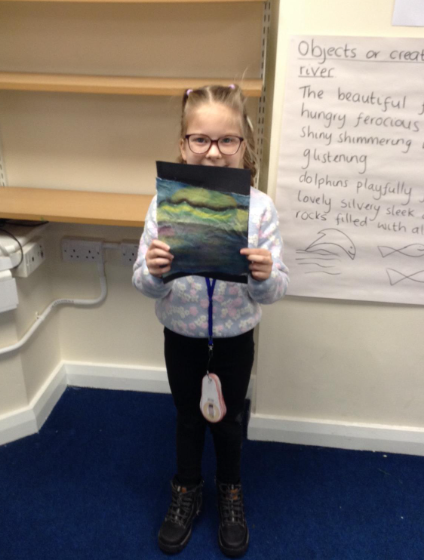
“I used the running stitch on the sun which made it stand out more.” - Abi
“The stitching gave my artwork more texture and made it look a bit 3D.” - Sirraj
In Geography, we have looked into what the River Nile is used for. We worked in groups to make a poster about The River Nile. We did Transport, Trade, Tourism or Farming. We used research and pictures to then present these to the class to teach each other about our topics.
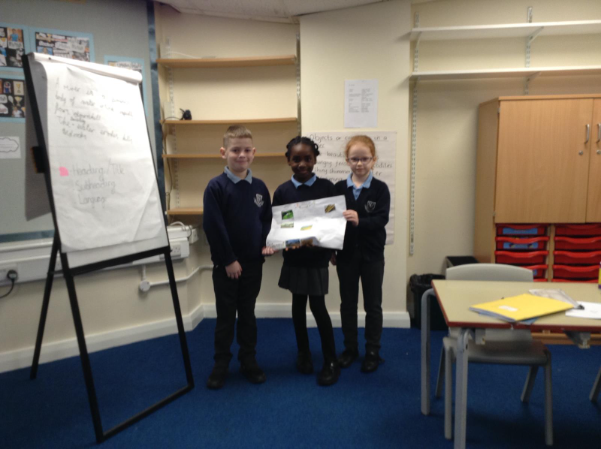
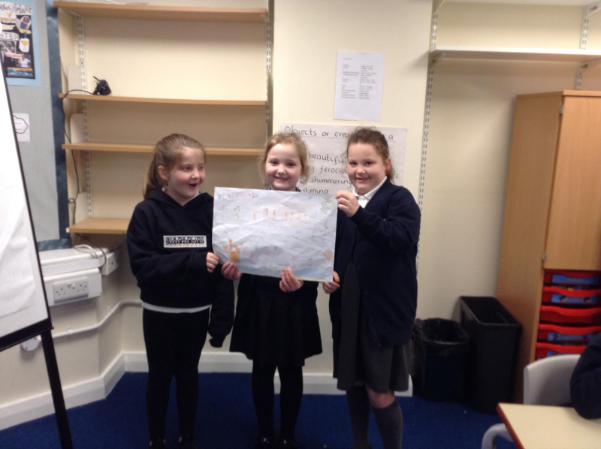
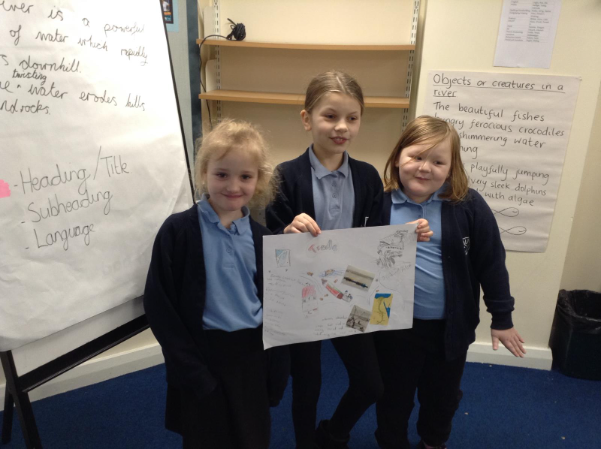
“I learnt that there are boat taxis used to travel on the River Nile.” - Khodi
“The Nile is a route used by a lot of people for trade as it connects to lots of other rivers.” - Nadia
In RE, we have been looking at the topic of Jesus and how he changed lives of the people he met. One person we have focused on is Zacchaeus. We learnt about how he was a tax collector before he met Jesus and then he donated lots of his money to the poor after he met Jesus. We played Hot Seat to ask Zacchaeus questions about his life before and after meeting Jesus.
“I think Zacchaeus was a little scared to meet Jesus but knew that he was a good person.” - Adunola
“I think Zacchaeus felt relieved after meeting Jesus because Jesus showed him how to be a good person so then people started treating him nicer.” - Allanah
3S Spring 1 Week 5
We have now moved on to our next outcome for English which is to write an information leaflet. To help us understand the language we should use, we performed News Reports about rivers. We watched a couple of examples of News Reports on rivers and used pictures and technical language to perform our own using descriptions of how they look or move.
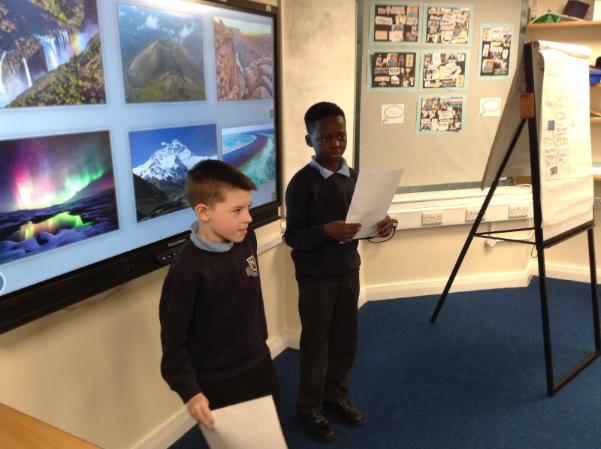
“Rivers are an important part of the environment.” - Natalia
“Rivers carry water to the oceans and seas.” - Khodi
In PSHE this week, we focused on Children’s mental health week. We discussed what mental health is, how to recognise good mental health and bad mental health and how to look after our mental health. We then talked about the things that are important to us and makes up our personalities and drew these as personality islands like in the film Inside Out.
“It is important to come to school after a good sleep so that you are ready for your learning.” - Eduard
“If you are in a bad mood then you could ask your friends to cheer you up.” - Kaima
Friday 7th February was NSPCC number day. We took part in a nationwide Times Table Rock Stars competition. We played as much as we could in the morning to try and improve our score. This also meant we earned coins to spend on our avatar rockstar!
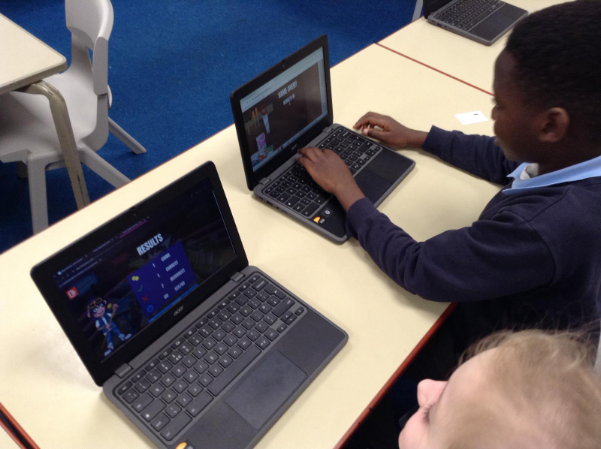
“It was really fun to take part and the more we play, the better we will be at our times tables.” - Hollie
“If I play more then I will get quicker at my times tables.” - Sirraj
3S Spring 1 Week 4
In our Geography lessons, we have been looking at Rivers. We have identified the features of a river and used the atlases to find the continent and the countries as well as specific rivers. We had to remember back to Autumn 1 how to use the Atlas to find these places.
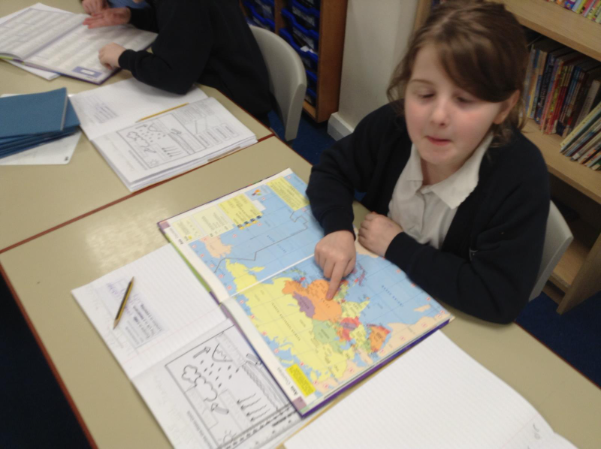
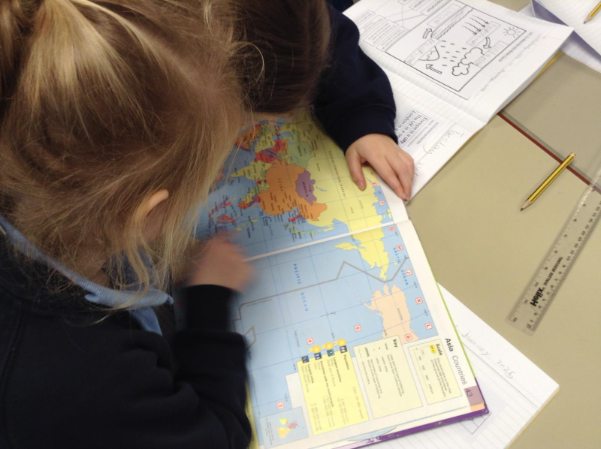
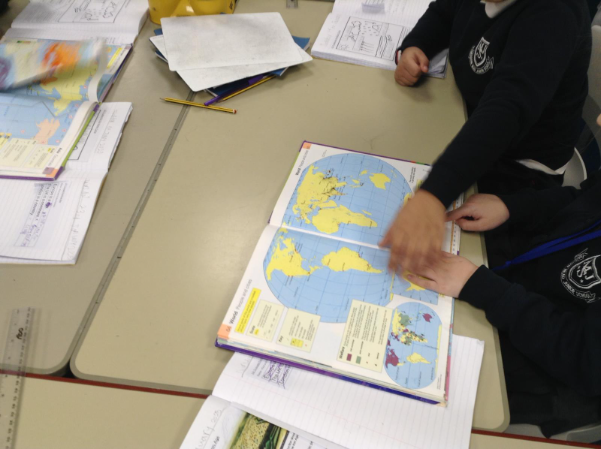
“You need to use the index which has all the places in alphabetical order.” - Adunola
“Egypt is in Africa which is also where the River Nile is.” - Leen
“I got to use the index to find the country that I am from.” - Szebasztian
In PE, we built on our throwing skills to practise our accuracy. We experimented with underarm throw and overarm throw to see which was easier when trying to score. We ensured that we were throwing properly with the right technique which helped us score more points.
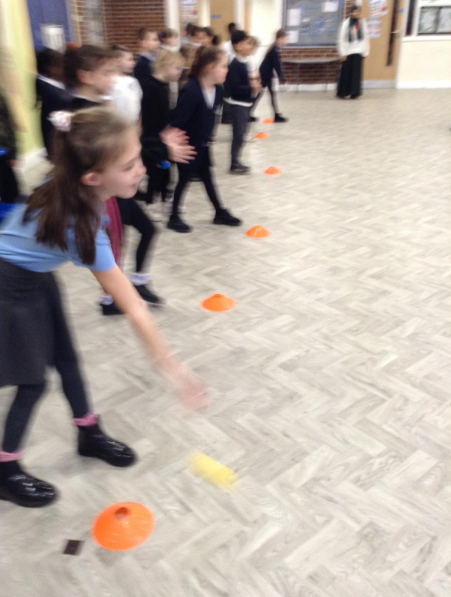
“Overarm throw made it easier when trying to throw further away.” - Eduard
“You need to make sure that your arm is in an L shape when you throw overarm.” - Bryan
In Maths, we have been looking at multiplying by 10. We have learnt that we need to change the ones to tens using base 10 to give us our new number. We can also move all the numbers over to the left, leaving us with a 0 in the ones column.
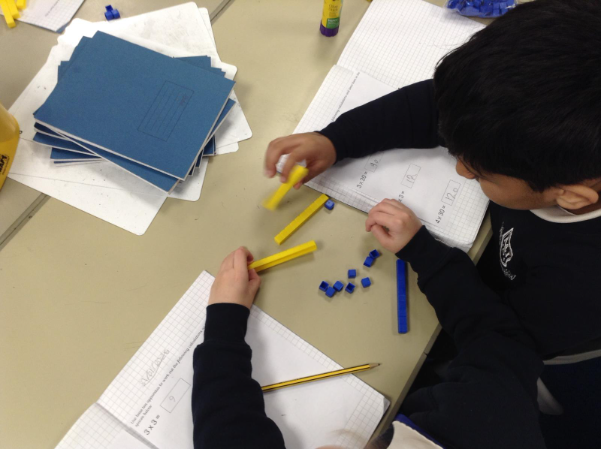
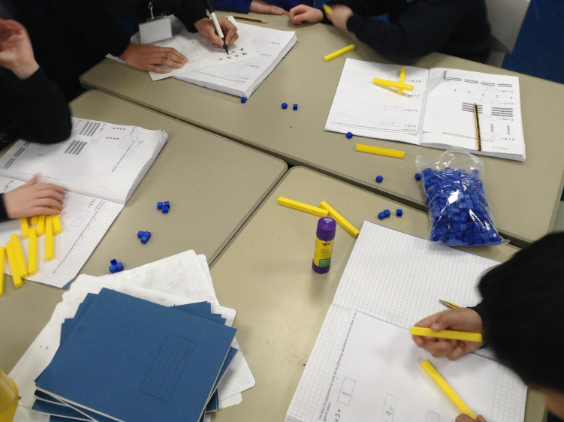
“When you times by 10, it looks like you add a 0 but you’re actually moving the numbers one place to the left.” - Ava
“The ones move into the tens column.” - Layla
3S Spring 1 Week 3
In our PE lessons this week we were looking at throwing accurately so that someone else is able to catch a beanbag from us. We tried different types of throwing with different amounts of power to see which was the most effective.
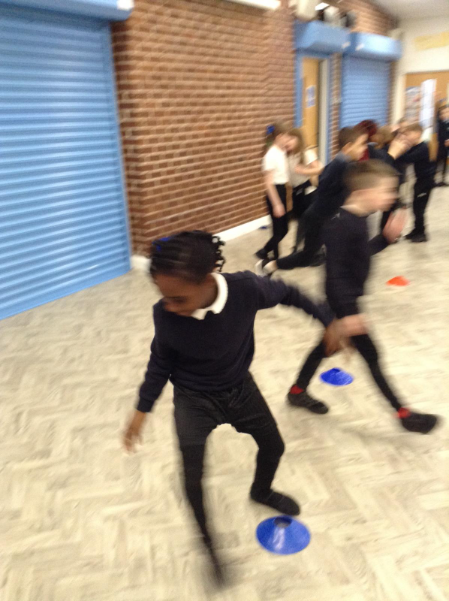
“It was harder to catch when someone threw hard as it travelled to fast to react.” - Allanah
“I found it easier to catch an underarm throw as it wasn’t as fast so I had more time to catch it.” - Adunola
In PSHE, we listened to a story about 2 friends in a conflict. At each part we had to write or draw how the character was feeling, what might happen next and what they could do to solve the conflict. At the end we wrote some compliments the friends could give to one another.
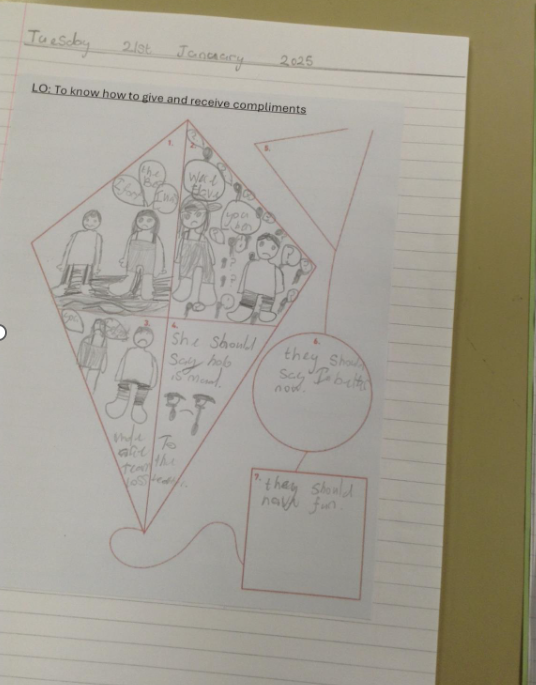
“I thought they wouldn’t fall out because they were friends but it’s important that they were able to make up and be friends again.” - Hollie
“You should think about how someone else would feel before saying something as it might hurt their feelings.” - Siiraj
In Science, we have built on our learning and learnt about how our muscles help our skeleton move. We drew the muscles in the arm to show which ones contract and relax when we flex and used a model to see how this works.

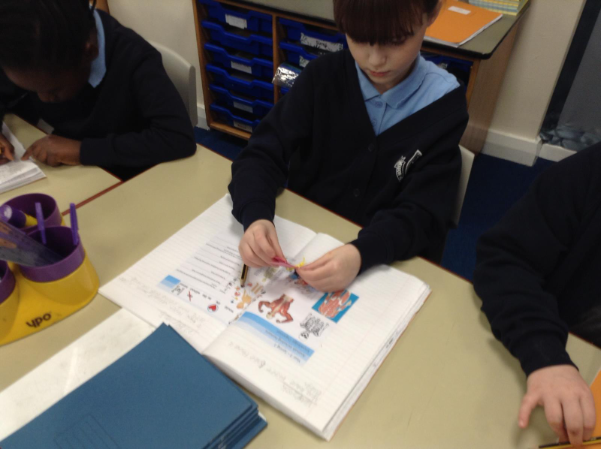
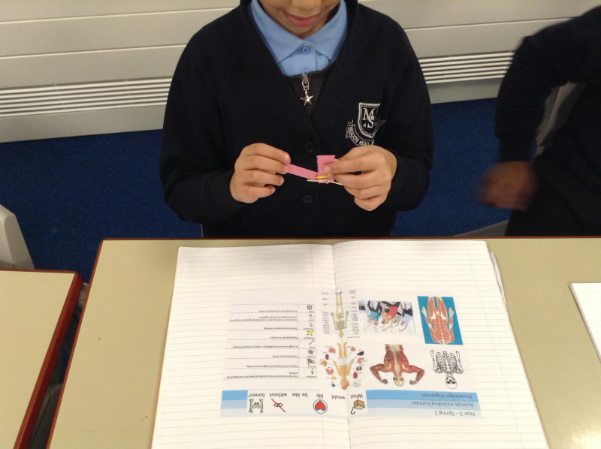
“You can feel your own muscles get tighter when you flex your arm.” - Szebasztian
“When you pull your arm straight, the triceps get tighter and the biceps relax but when you flex, it’s the opposite.” - Noah
3S Spring 1 Week 2
During English, it was revealed that our new book is Rhythm of the Rain by Grahame Baker-Smith. We read the story and will now be working towards writing a setting description. We looked at different pages from the book and jumped into the scene to imagine what we would see and feel. We showed our freeze-frames when doing this.
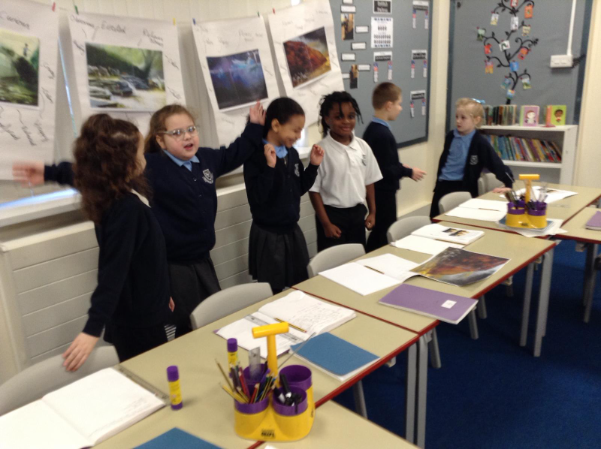
“It would be nice to see all the animals by the river.” - Khodi
“I would feel really calm and relaxed if I was by the river.” - Eduard
We started our new topic in Science this week. This half term we are on the second part of Animals including Humans with a focus on the human body. We identified the different bones in our skeleton and the function of each one. We were able to point to where each bone was.
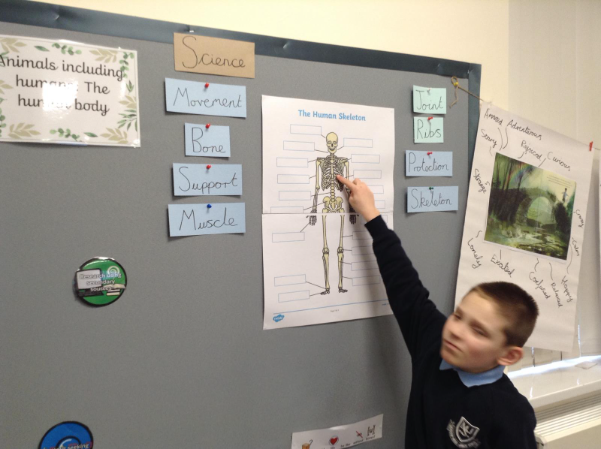
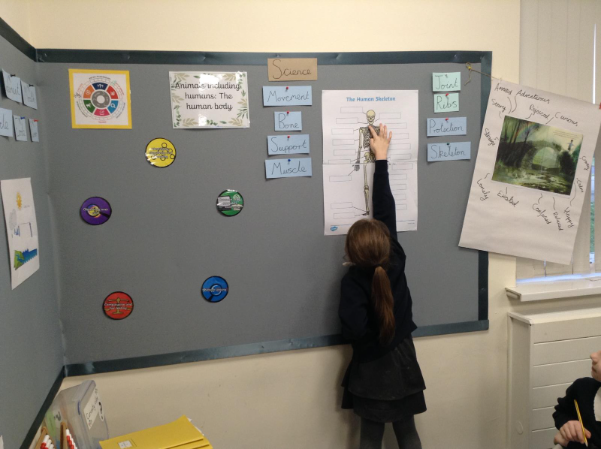
“The skull helps protect the brain.” - Ava
“I can feel where my rib cage is and that it has lots of my organs in it.” - Adara
In RE, we have learnt about the charity of The Salvation Army. We learnt that they are a Christian charity that show their Christian values through helping others. We then drew a Salvation Army leader in their uniform.
“They help people like the homeless or lonely.” - Bryan
“They show kindness and respect to those they are helping.” - Adunola
3S Spring 1 Week 1
This week, Year 3 have taken all their learning from last term to create a booklet in History. This shows the timeline of the Stone Age, the Bronze Age and the Iron Age. Each page shows the differences through the Ages and how humans changed over time. It was so much fun being able to be creative to show our learning!
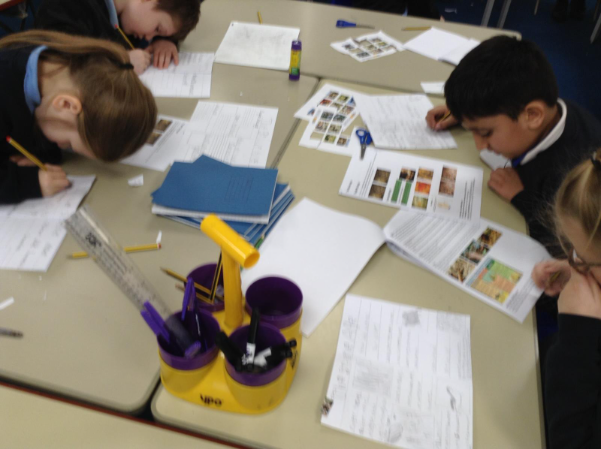
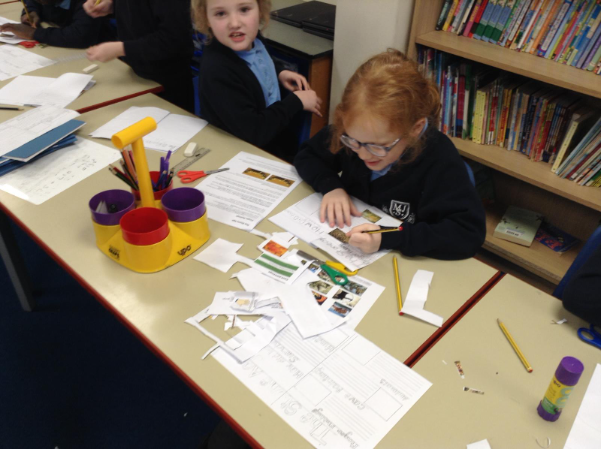
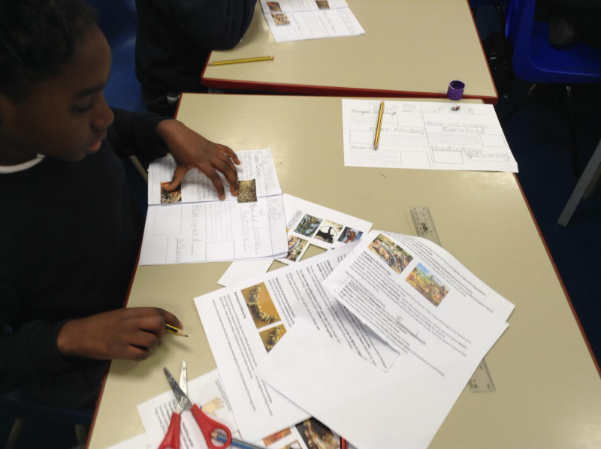
“I drew a hillfort which is where people lived in the Iron Age.” - Hollie
“We used to hunt and gather but then we started to farm instead.” - Bryan
In Maths, we have moved onto 3D shape. We used concrete materials to help us identify the different parts of a 3D shape such as edges, faces and vertices. We also looked at what 2D shapes a 3D shape is made up of.
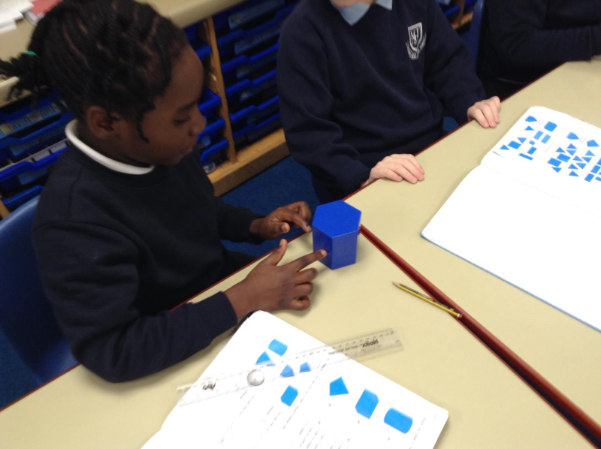
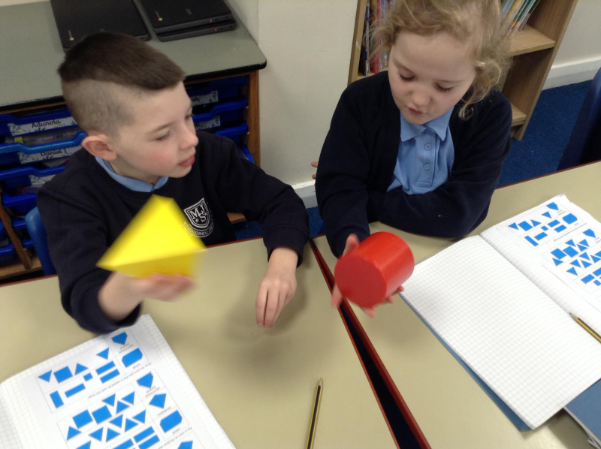
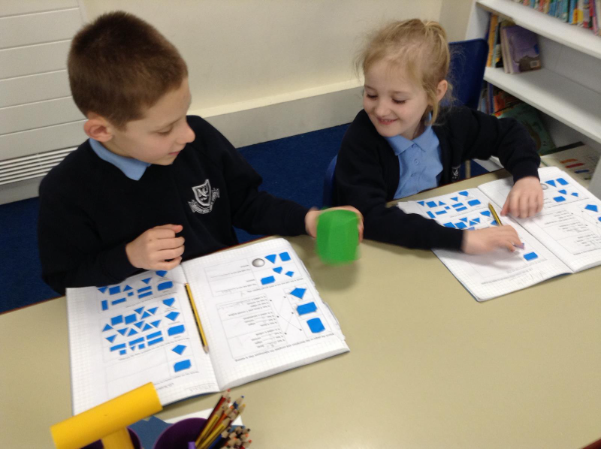
“A cuboid has rectangles and squares but a cube just has squares.” - Teddy
“A sphere doesn’t have any edges because it is round.” - Leen
This week, we have been looking at World Religions Week. This is to celebrate and understand all the different religions around the world and to show our mutual respect for one another. We did a variety of activities including watching videos on different religions, making unity in diversity posters, writing poems and presenting our research on one of the 6 main religions.
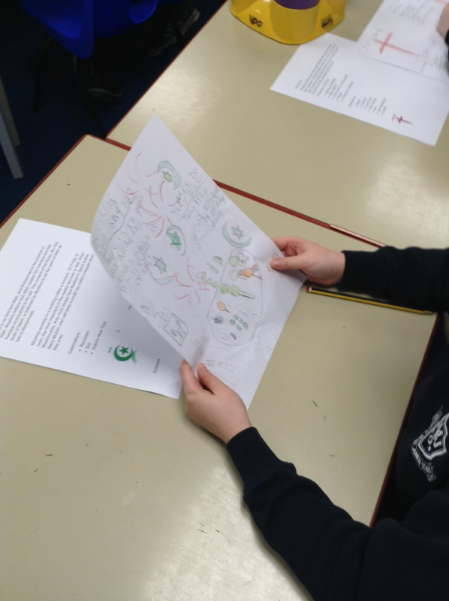
“I didn’t know that Muslims fast for 30 days during Ramadan.” - Rose
“Jewish people fought over the Kingdom with the Greeks.” - Daniel I
3S Autumn 2 Week 8
Our RE topic this term has been Christmas. We have been learning why Christmas is important to Christians and what it means to them. This week, we looked at different paintings of Jesus being born and talked about what they might mean and represent.
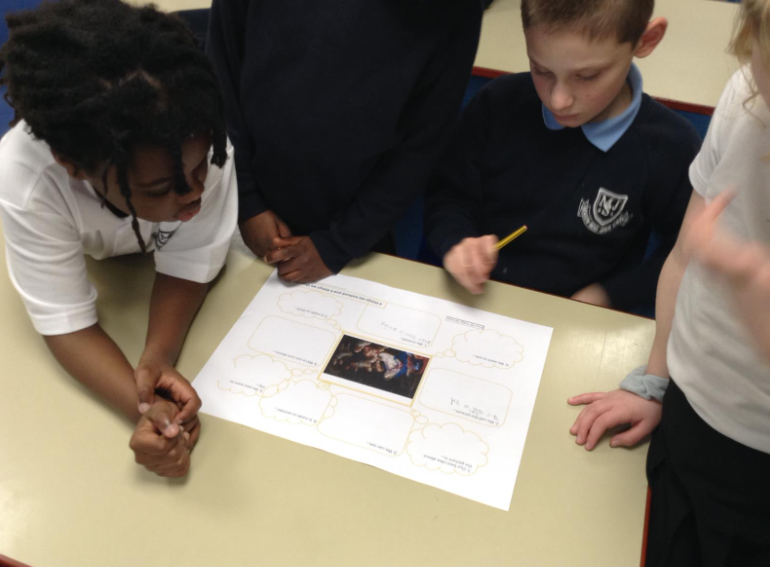
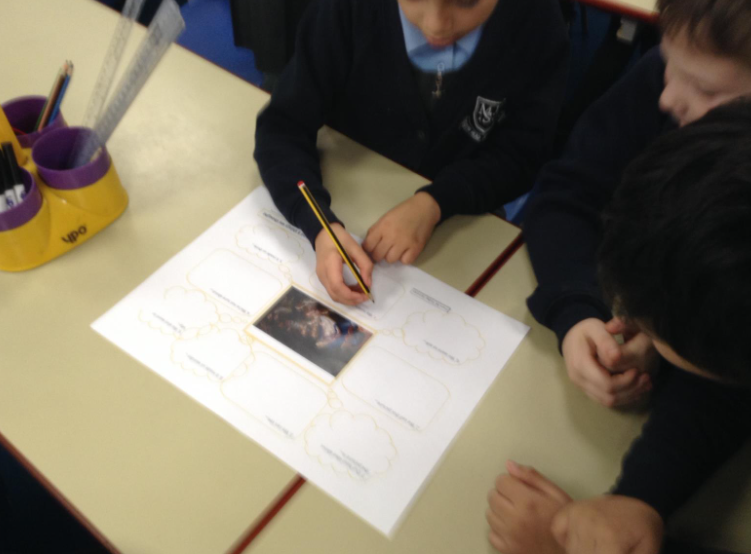
“Christmas is a time for welcoming and giving.” - Adunola
“I celebrate Christmas and I love spending time with my family for it.” - Eduard
During DT, we have worked on researching and designing a Greek Salad. This week we got to make it. First we planned what we wanted our product to look like, then we used the skills we had learned in previous lesson to chop up the food we wanted to use before putting it all together. Lastly, we tasted and tried our food before evaluating it at the end.
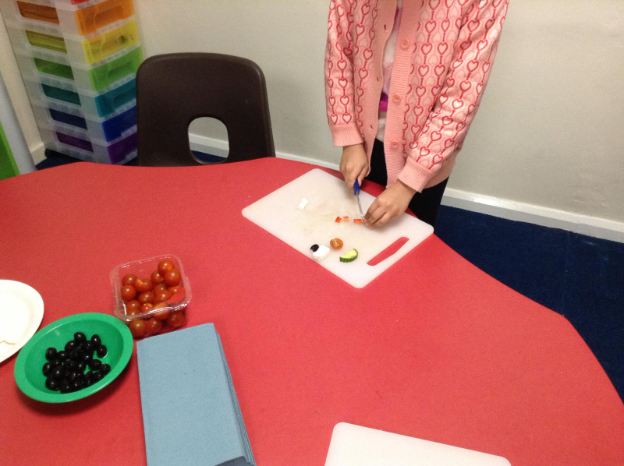
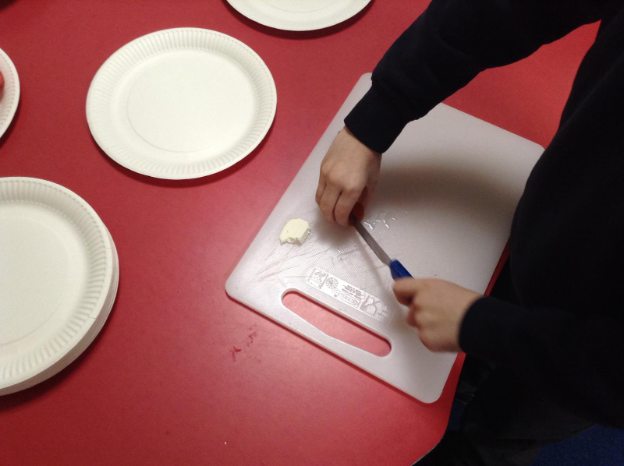
“I wouldn’t have peppers in mine next time.” - Sirraj
“I quite liked it. It was fun to practise using a knife safely.” - Allanah
On Tuesday 17th December, we performed our carol concert. We had been practicing really hard and had learnt a poem and some songs. All of our grown ups came to watch us perform after school. We had so much fun and it was lovely to show everyone what we had been working hard on!
We also had our behaviour treat this week. For all our hard work and good behaviour, we got to take part in a Nerf War! It was so much fun and an amazing treat for the end of term.
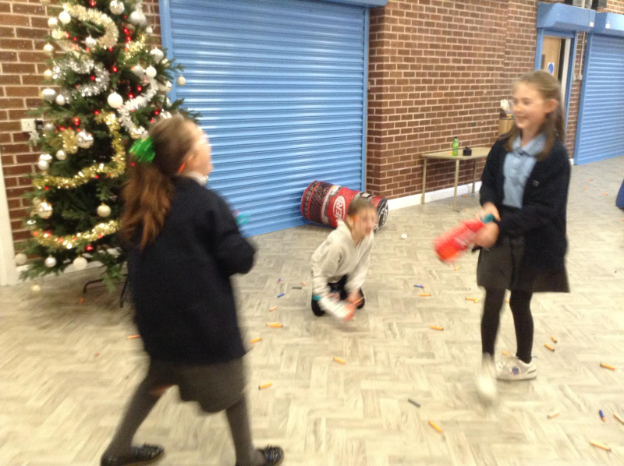
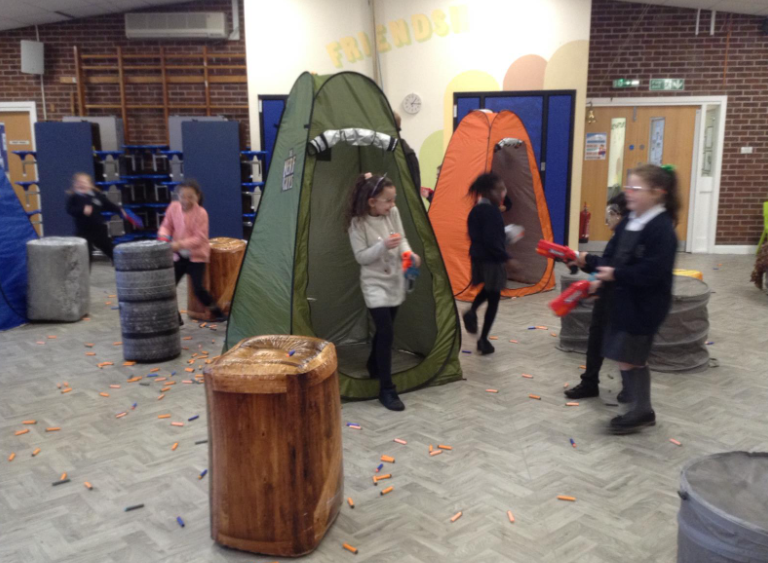
3S Autumn 2 Week 7
During Junior Jam in our Music lessons, we have been learning about composition. We got to make up our own melody from a set of notes and then play it on the keyboards or xylophones. We have also looked at harmonies and how they can change the way that music sounds.
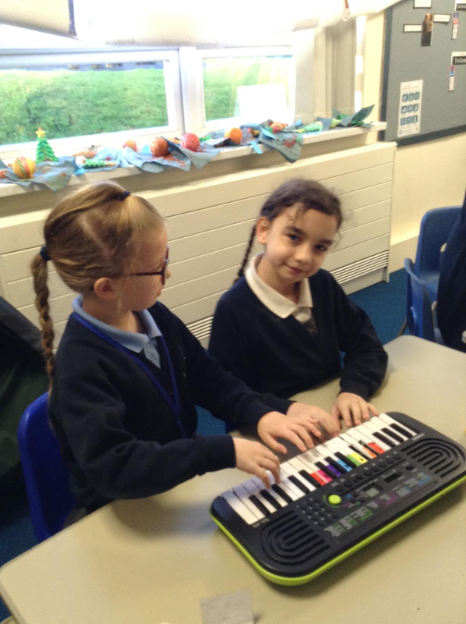
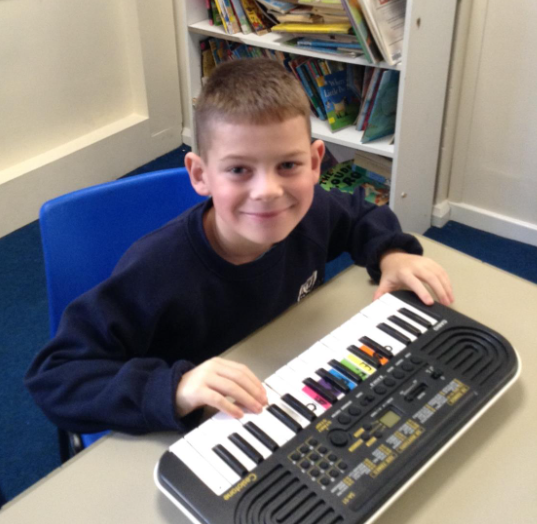
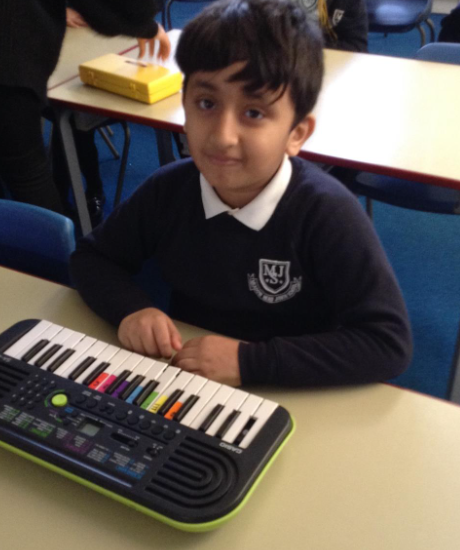
“I love being able to play my own music.” - Teddy
“I really liked using the keyboard.” - Bryan
In our Junior Jam sessions in Computing, we have been learning about instructions. We used the iPads to make a set of instructions and learnt about how different variables will change them.
“Using the ipad makes writing instructions a lot easier.” - Khodi
“It was interesting to see how my instructions would change.” - Natalia
We got to have a lot of fun on Thursday as it was Christmas jumper day, Christmas dinner AND we got to go and see a pant-ivity at the Infant school. It was such a fun day and lovely to see our old teachers again!
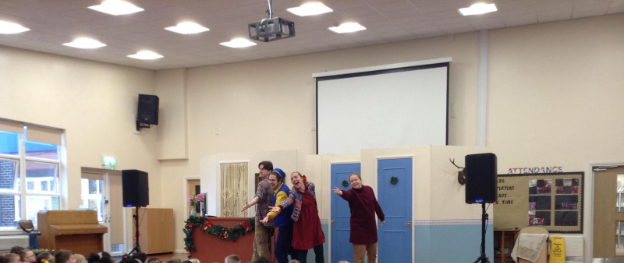
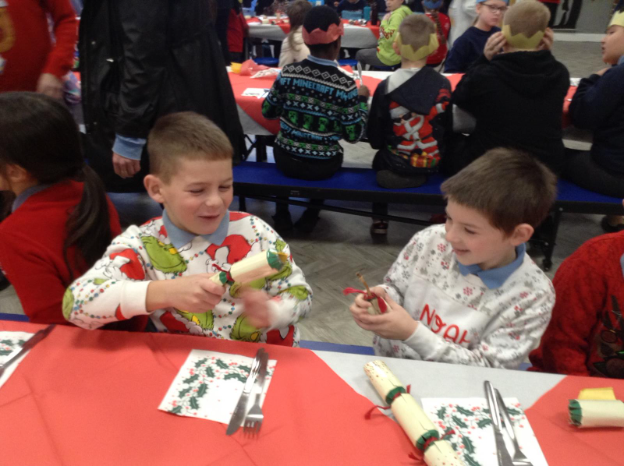
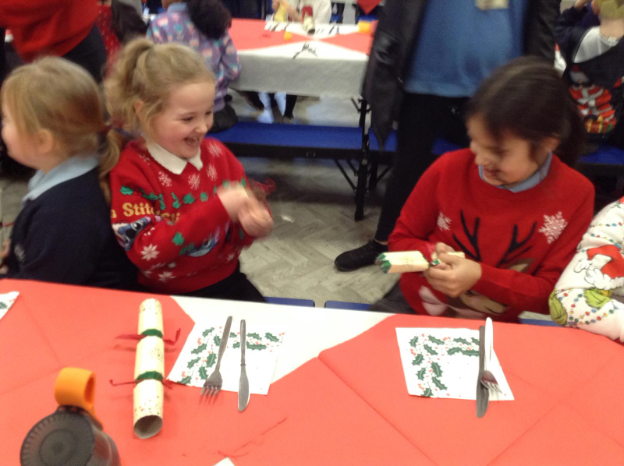
3S Autumn 2 Week 6
During English, we have learnt that there has been a significant debate about foxes in the UK, with some people feeling that they should be labelled as vermin. We spent some time to share their initial thoughts on this. We also discussed if we believe if foxes are dangerous to humans. We enjoyed creating a debate about these issues, taking turns to verbalise the facts they have learnt to support different sides of the argument.
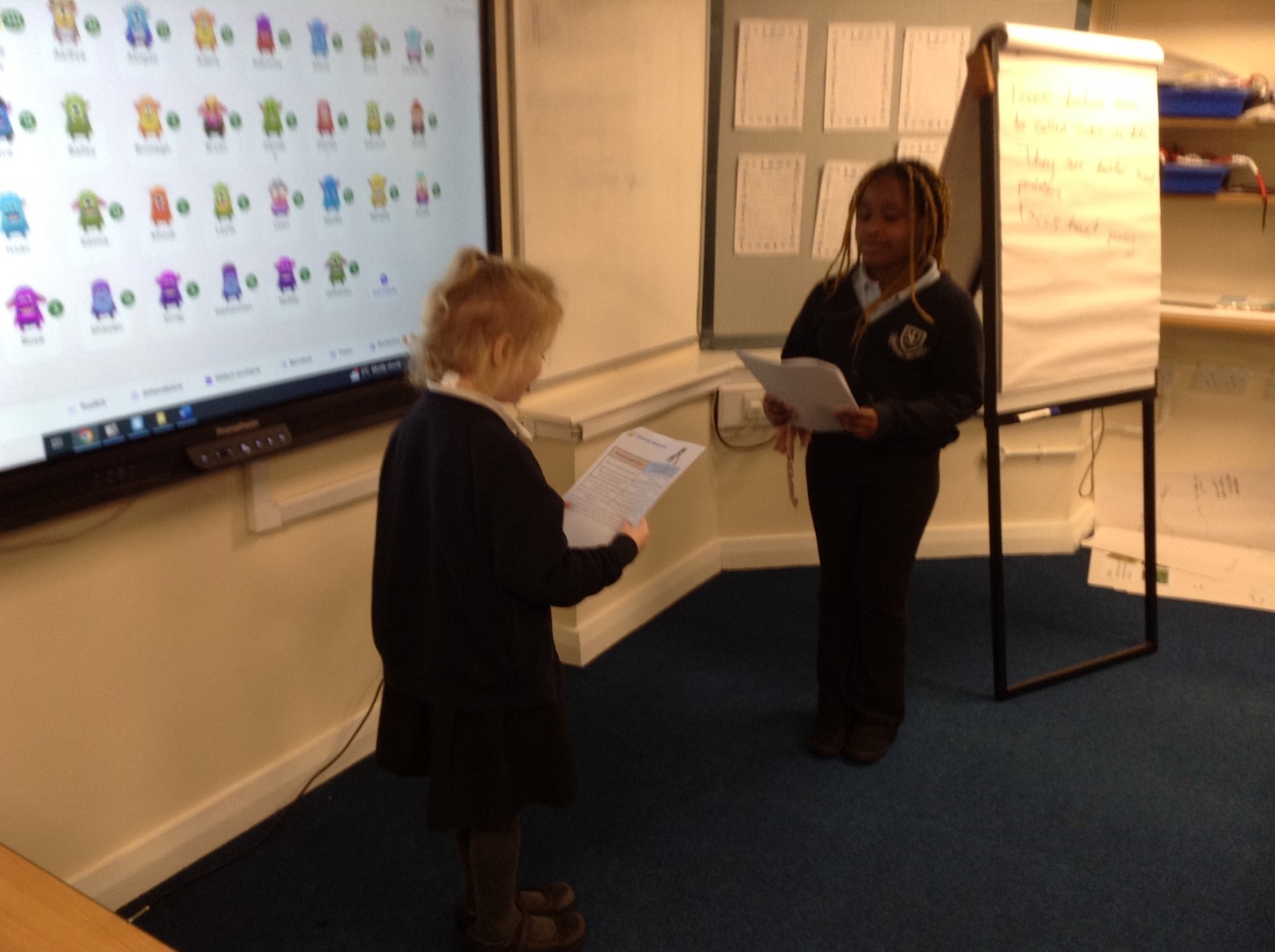
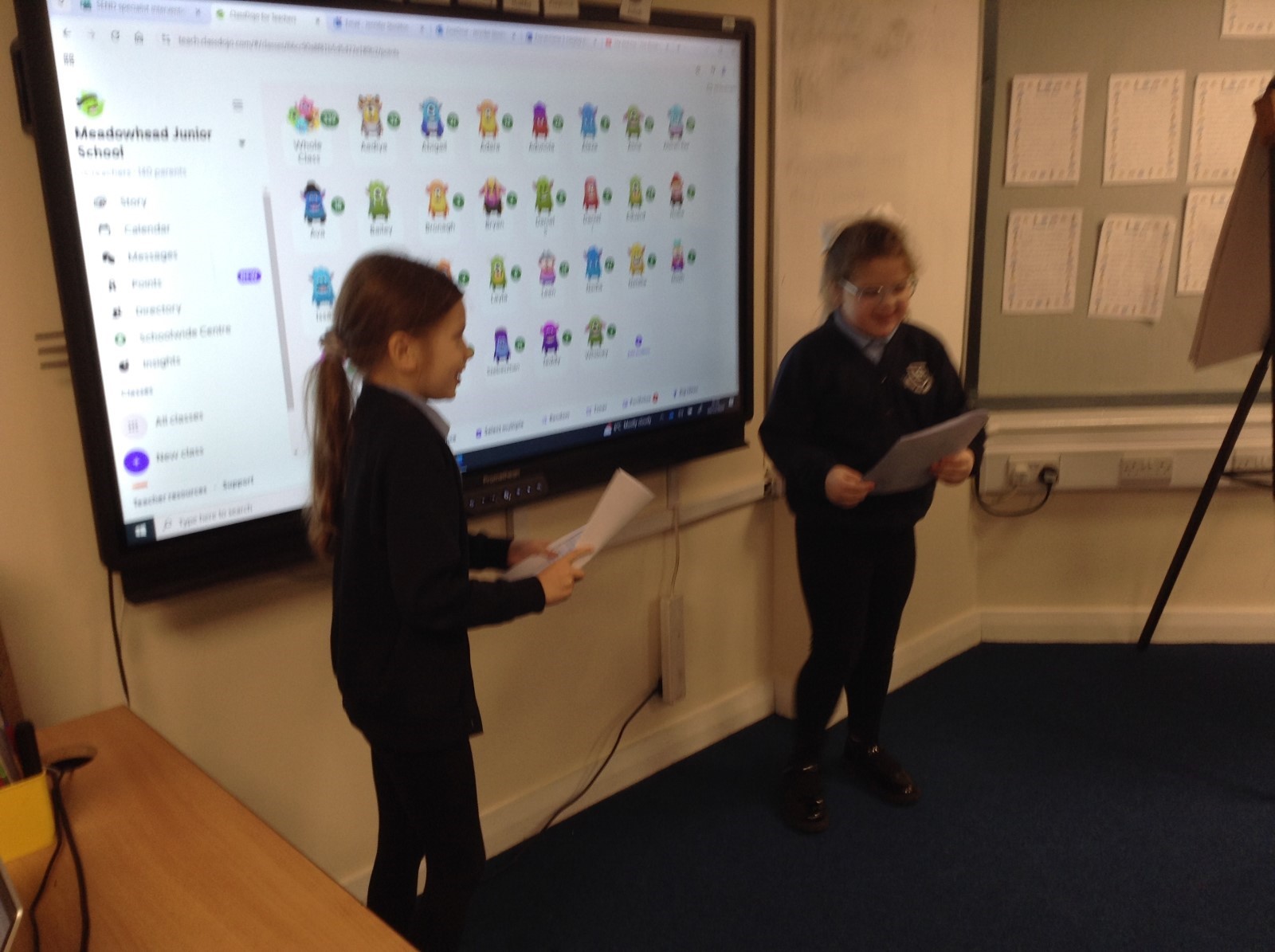
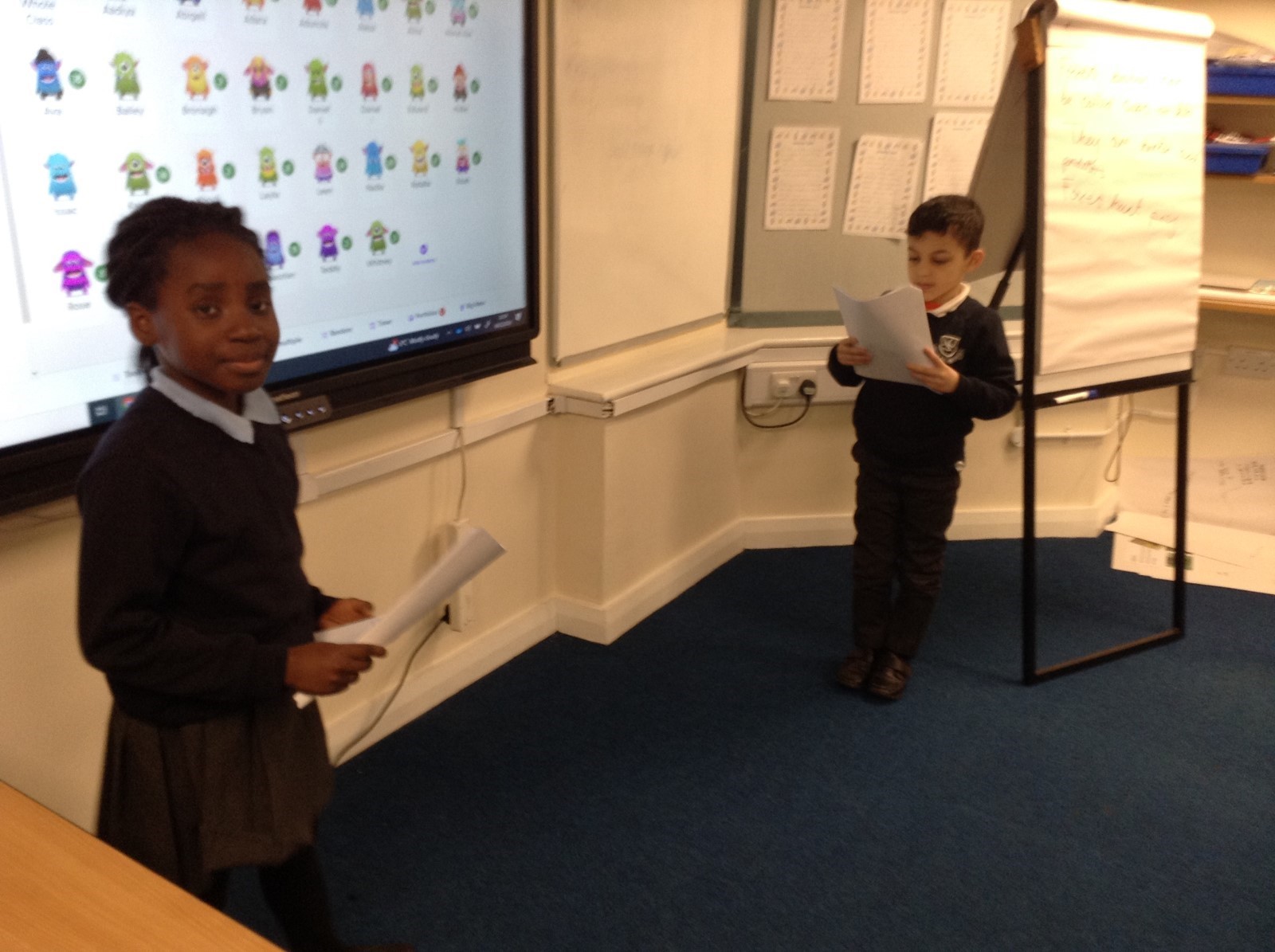
“Some people think foxes are vicous but they are actually really intelligent.” - Rose
"Some people think foxes are pests and a nuisance." - Sirraj
We had an amazing time in Science this week. We were very lucky to have a rock and fossil workshop delivered by Blackburn Museum and Art Gallery. We got to dress up as Victorian detectives looking for and discovering fossils. We then got to make and colour our own Stegosaurus to take home.
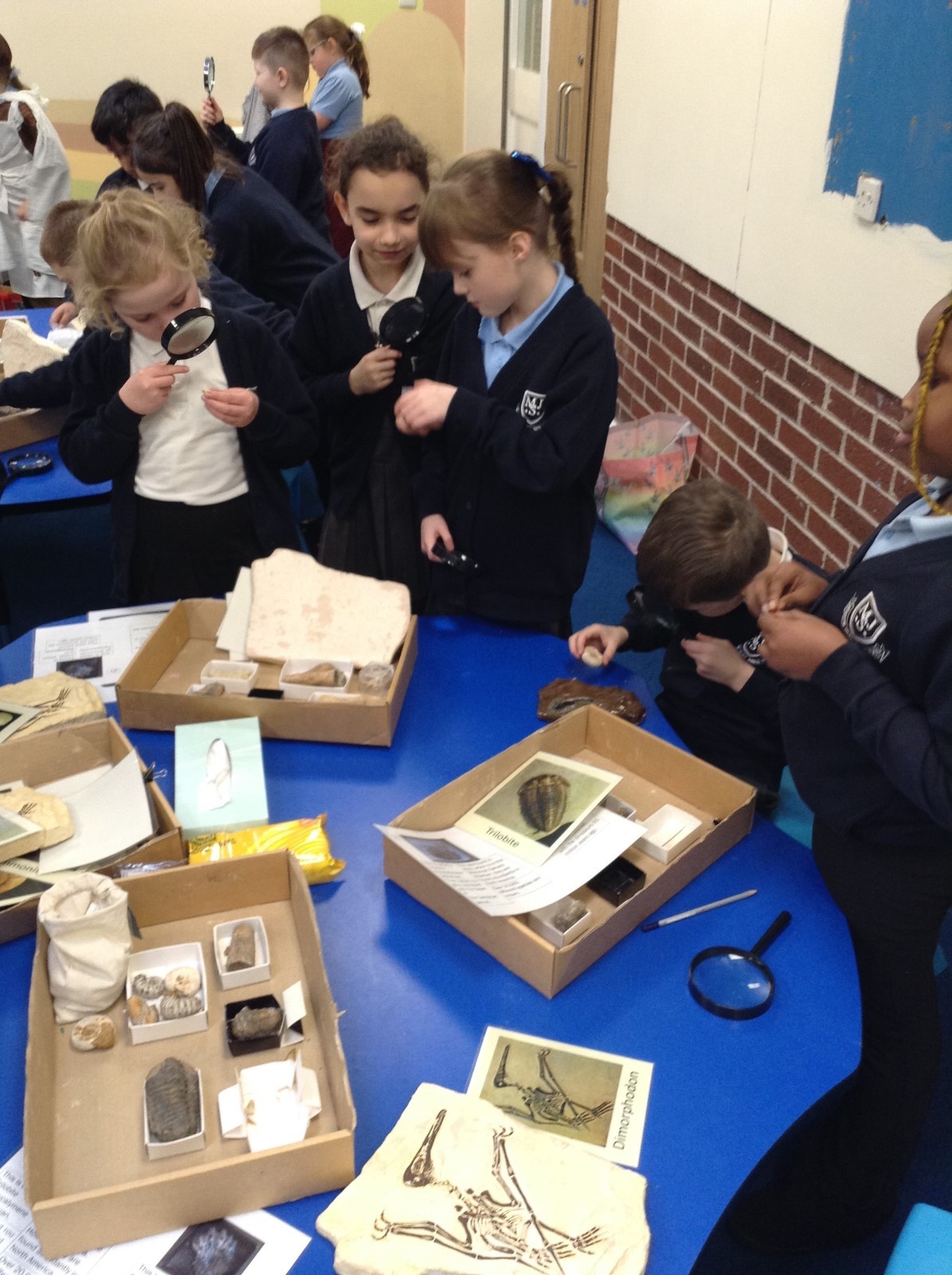
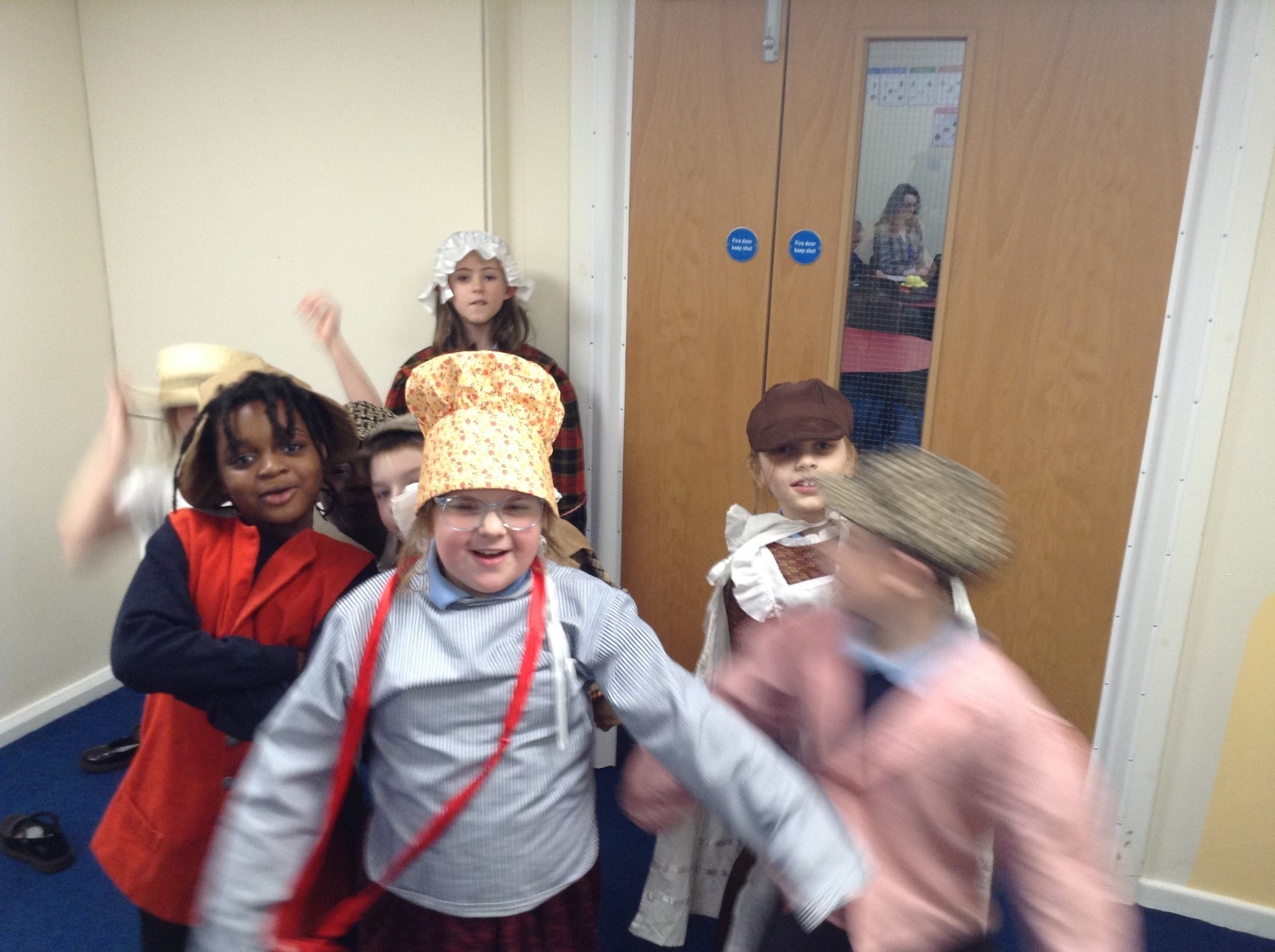
“I really liked dressing up as a Victorian.” - Alexa
“I learnt so much about fossils." - Noah
On Monday 2nd December, we went to Blackburn Empire theatre to see a pantomime. This year it was Jack and the Beanstalk. The show was really good and we had lots of fun shouting back at the characters (even though some of us got sprayed with water or had cream put on our faces!). We can’t wait to go again next year!
“I thought it was going to be scary but it was actually really fun.” - Nadia
3S Autumn 2 Week 5
We have been really enjoying our Science this term. We have been learning about different rocks and this week we got to experiment with them. We tested how hard different rocks were by using different methods of scratching and seeing if it left a mark. It has also inspired some of us to look closer at rocks we find outside.
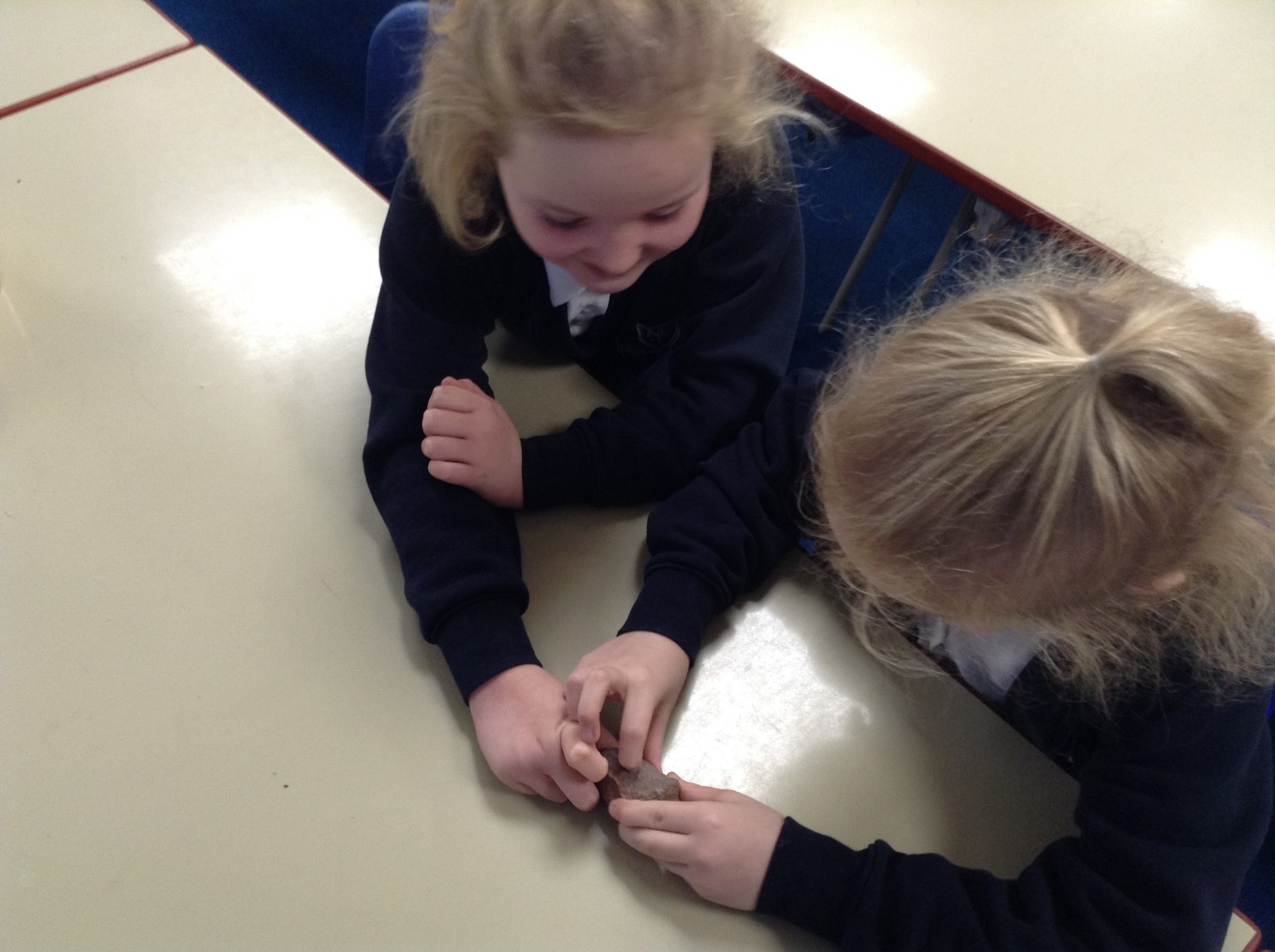
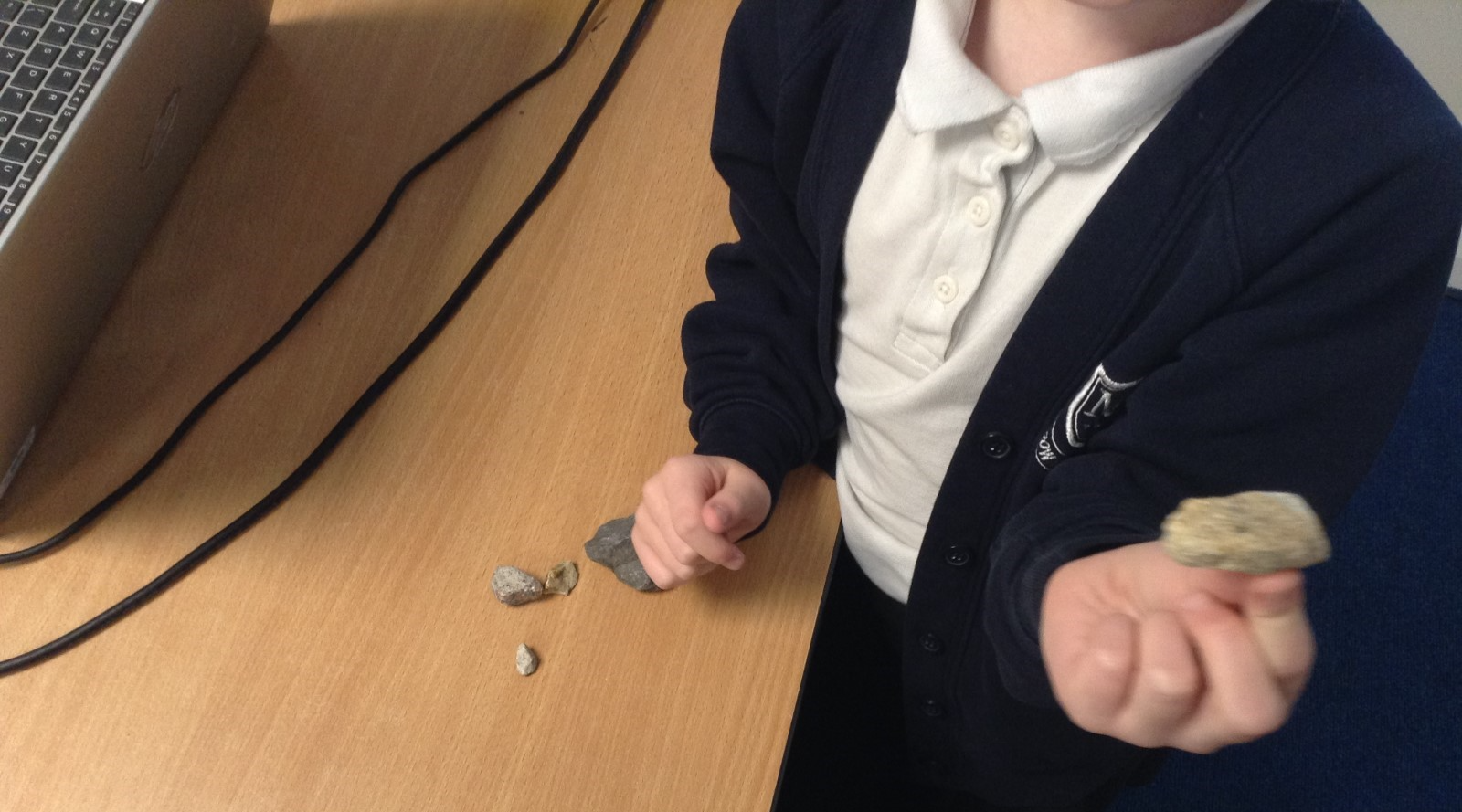
“It was really fun but scratching it with my fingernail felt weird.” - Hollie
“I’ve picked up some rocks on the way home and I want to know which ones they are” - Ava
In PE, we are practicing our throwing skills using different types of throwing. We also had a go at using as few jumps as possible to reach a goal as well as competing in relay races.
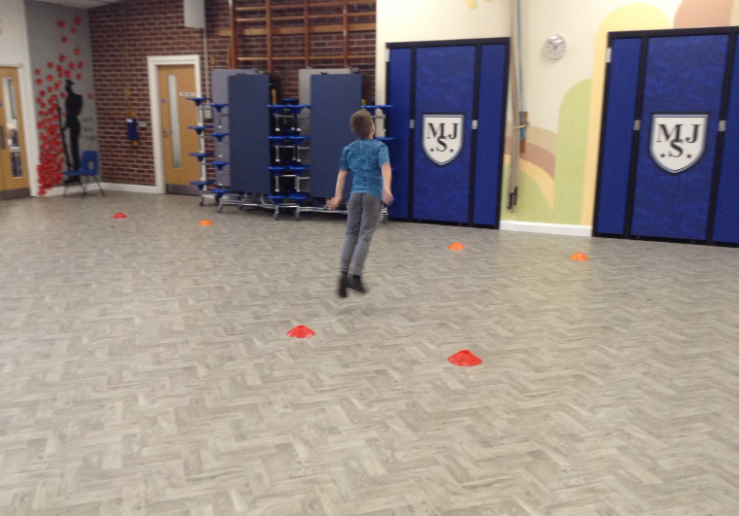
“You have to make sure to high five the next person before they can run.” - Noah
“You can throw underarm and overarm.” - Sirraj
We are still focusing on Fox by Magaret Wild in English, but we are now beginning to explore writing an information report. We started this by going on a scavenger hunt for different descriptive words for a fox. We then discussed as a class what these words mean and whether they are a positive or negative description.
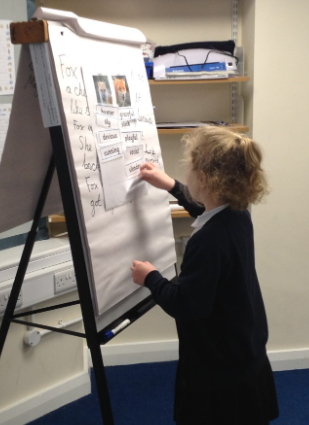
“Cunning is another word for sly which is negative.” - Eduard
“I learnt lots of different words that can describe a fox.” - Nadia
3S Autumn 2 Week 4
During our DT lessons, we are learning about food from other countries. This week we learned that not all food is grown in our country but from all over. We explored where different fruits and vegetables are grown and added them to our own map.
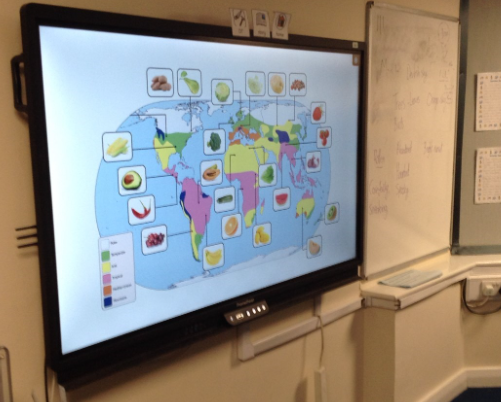
“I didn’t know how far away the food is grown.” - Bronagh
“Broccoli is grown in the UK.” - Sirraj
During Music with Junior Jam, we used keyboards and boom-whackers. It was great fun and we really enjoyed being creative.
“I really like playing with the boom-whackers!” - Daniel B
“I look forward to playing music every week.” - Kaima
In our French lessons, we have learnt our colours and animal names. We even did a quiz at the end to see how many we could remember.
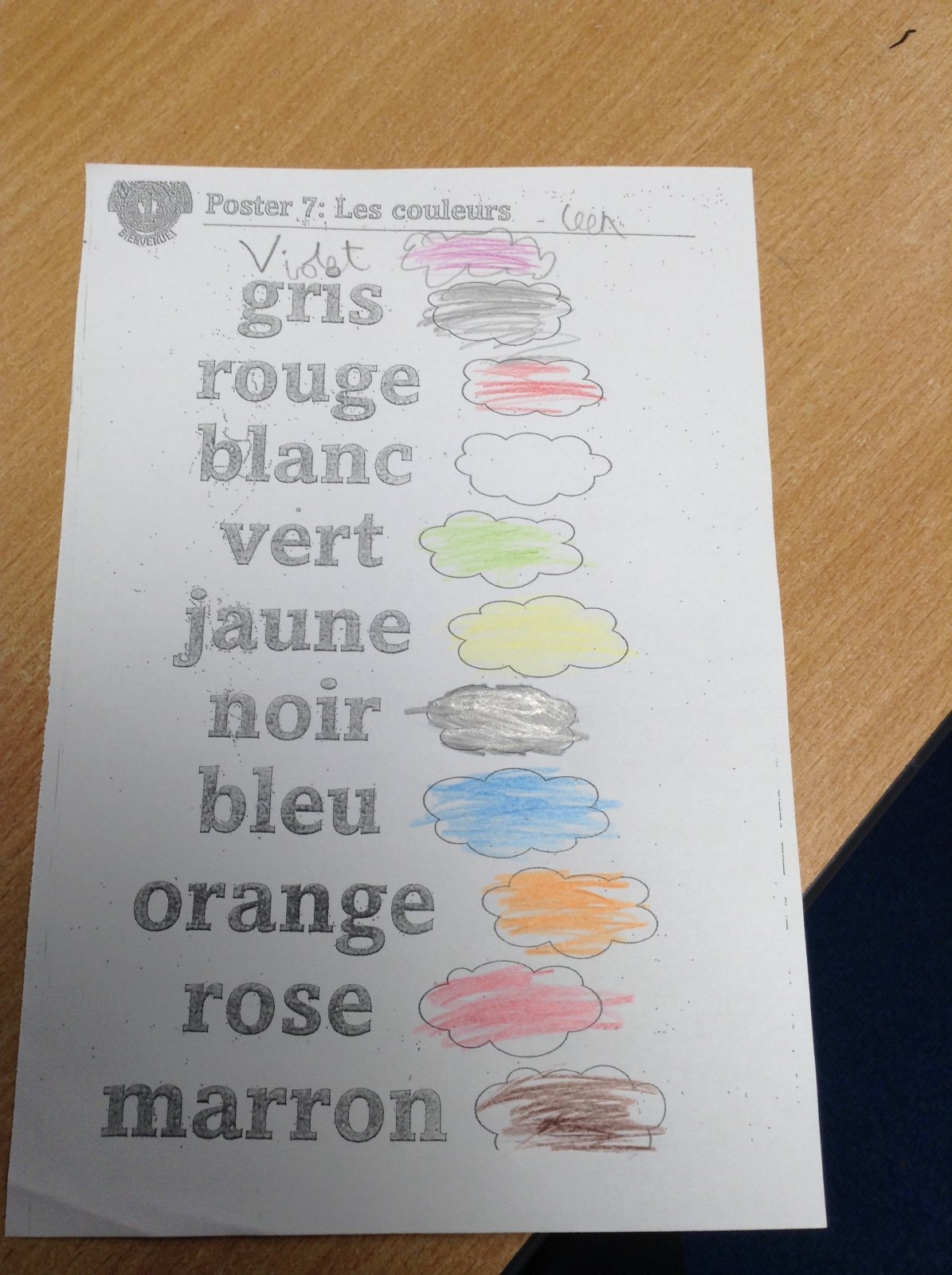
“I got all of them right!” - Alexa
“I liked colouring in to show my colours in French.” - Leen
3S Autumn 2 Week 3
This week in Maths we have started Multiplication. We learnt how to use multiplication squares which has helped us when doing multiplications that need partitioning into smaller numbers. This will then build into the grid method.
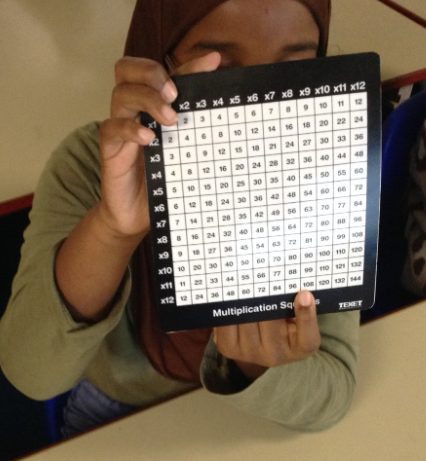
“I really like using the muliplication squares.” - Ikhlas
“This will help me learn my times tables.” - Ava
Tuesday 12th November was Anti-bullying day. We got to come to school in odd sock to show that everyone is different. We focused on what respect means to us and how we can show this around school. We then drew spider diagrams and filled them with words and drawing of how to show respect to one another.
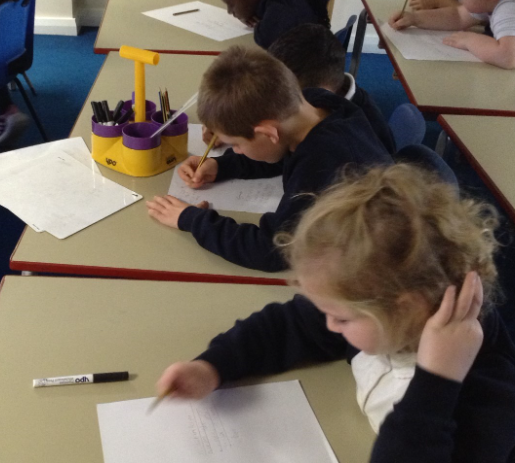
“You should treat people how you want to be treated.” - Abi
“If you are mean to someone then they might be mean back so you should be nice to everyone.” - Eduard
Friday 15th November was Children in Need Day. We were allowed to come into school in non-uniform but specifically wearing yellow or wearing spots. Everyone looked amazing!
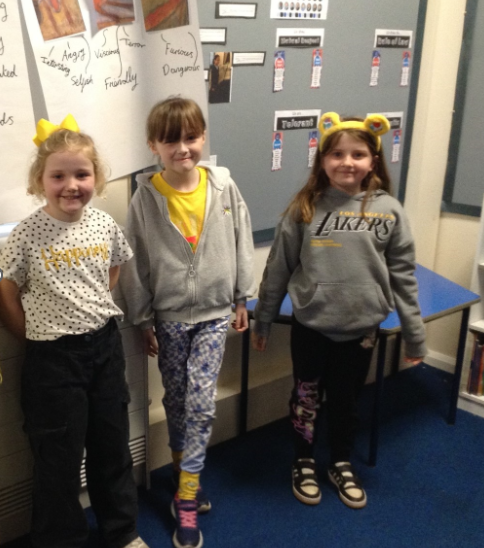
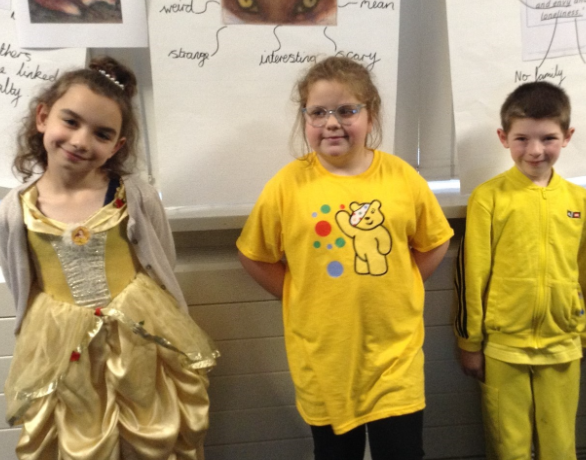
"I thought everyonw looked really lovely!" - Hollie
"My whole outfit was yellow." - Noah
3S Autumn 2 Week 2
Our new topic in Science this term is Rocks. We talked about what properties rocks can have before going outside to find as many things made from rocks as we could find. We then drew these and used adjectives to describe the type of rocks that were used to make those things.
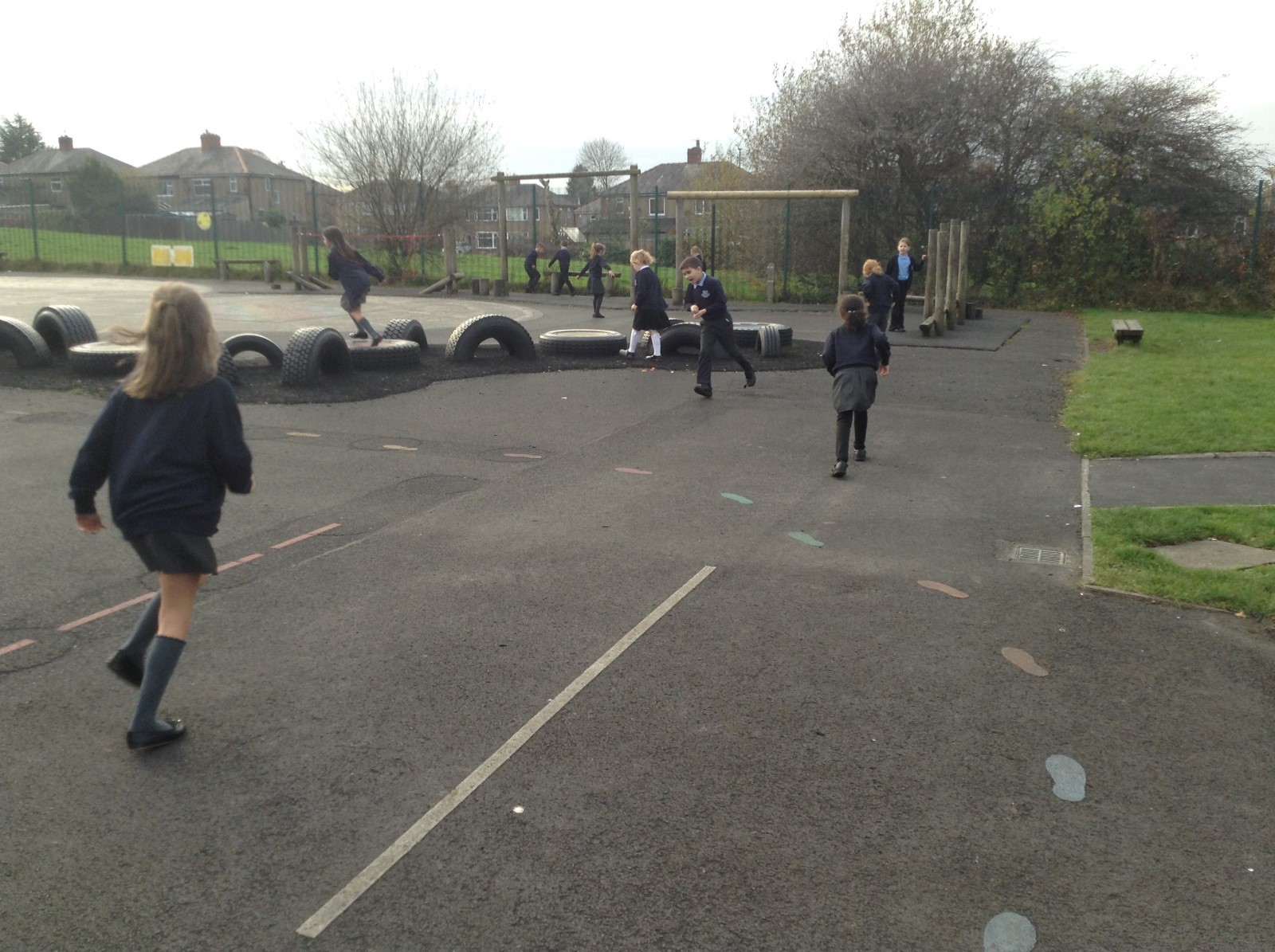
“The rock-climbing wall is made of wood, but the holds are rock.” - Bryan
“The school is made from brick which is rock.” - Noah
During PE, we have started practicing our throwing. We learnt how to throw over-arm and used this skill to throw as far as possible but also accurately into hoops to try and score points.
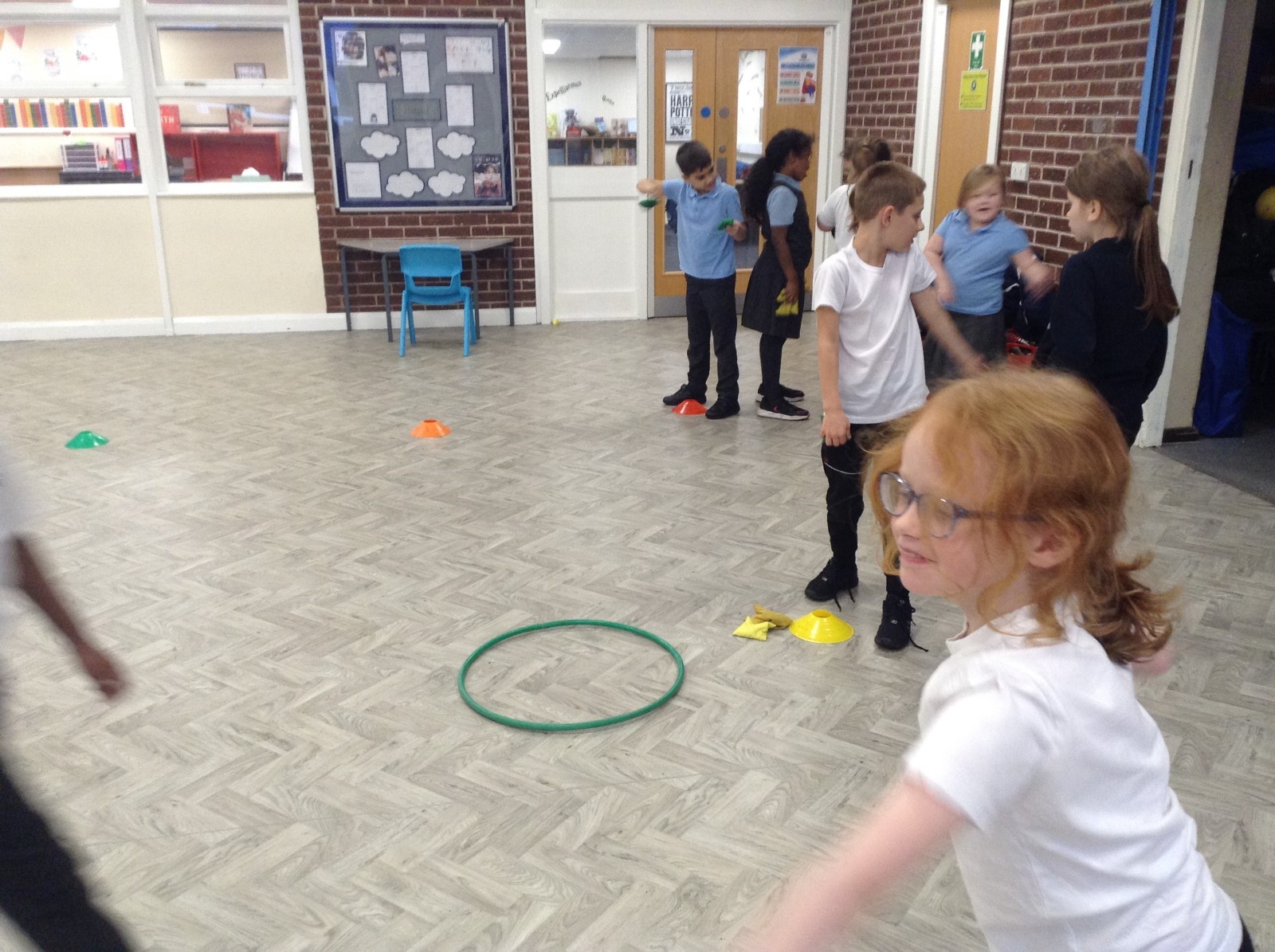
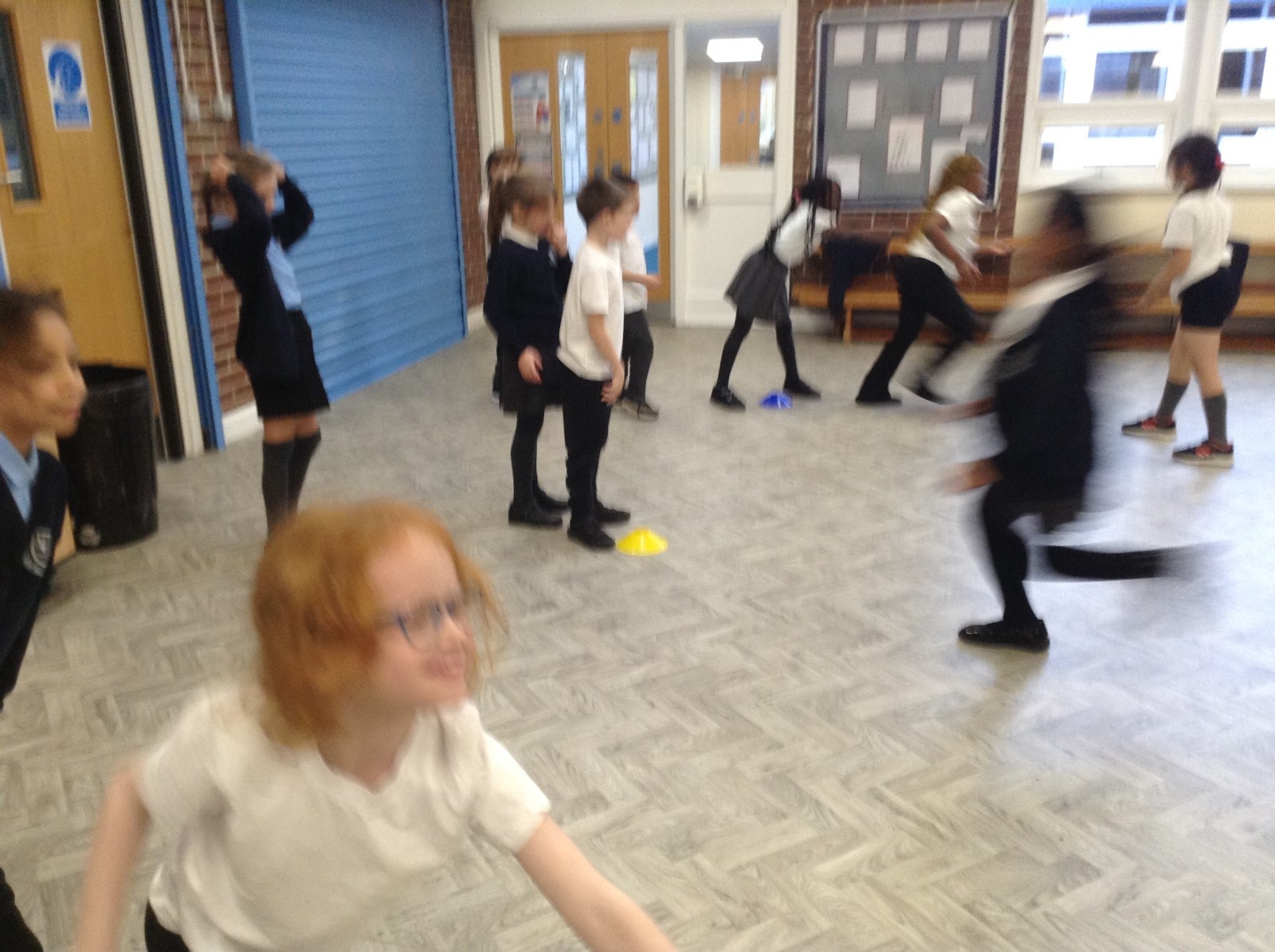
“I threw my beanbag really far!” - Allannah
“I didn’t want to miss the furthest hoop so I played it safe and scored 2 points in the middle hoop.” - Sirraj
In History, we are looking at the Stone Age. We explored pictures of caves where Stone Age people lived and looked at the cave paintings. This included drawings as well as handprints left on the cave walls. We then got to design and draw our own.
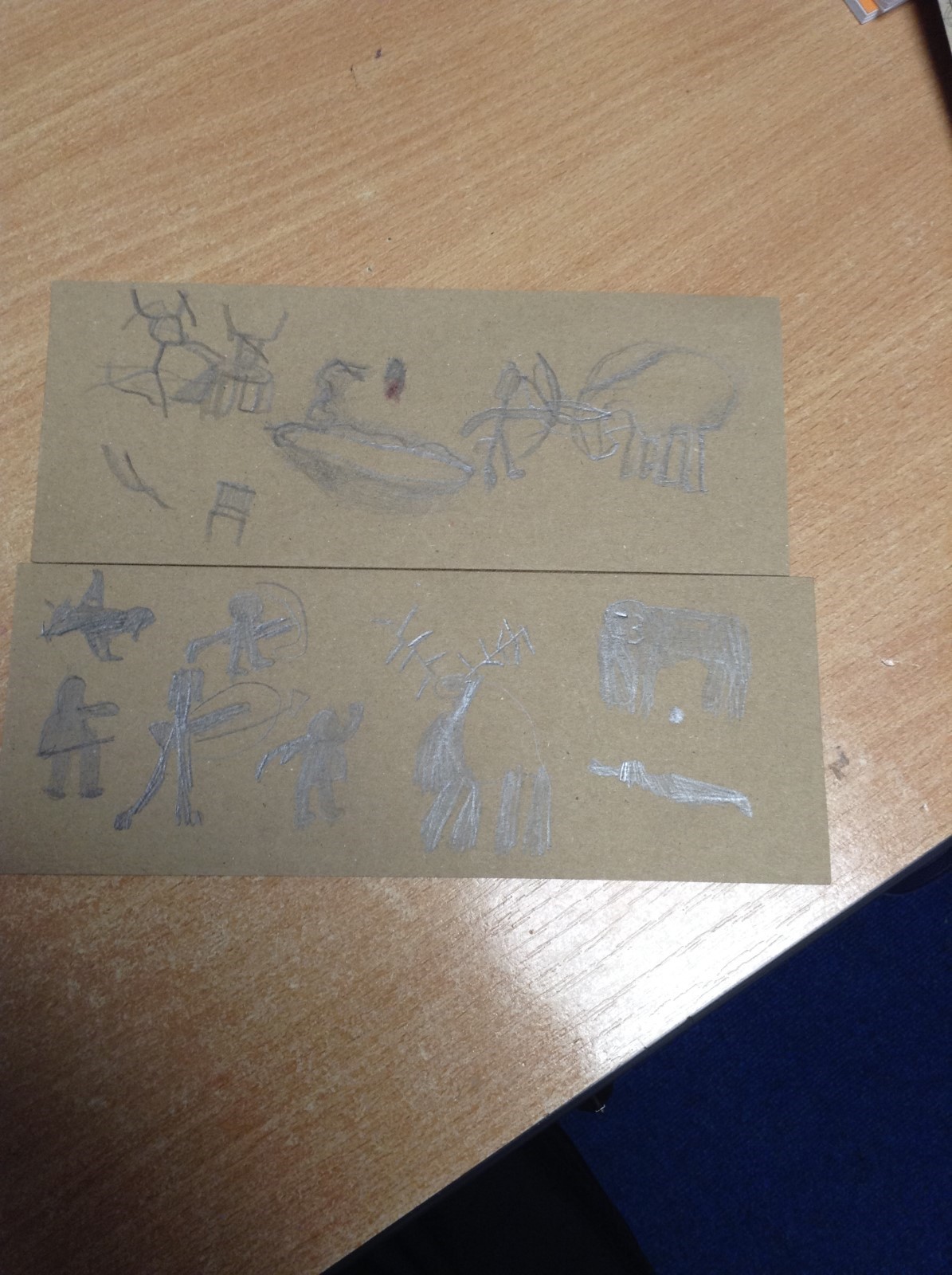
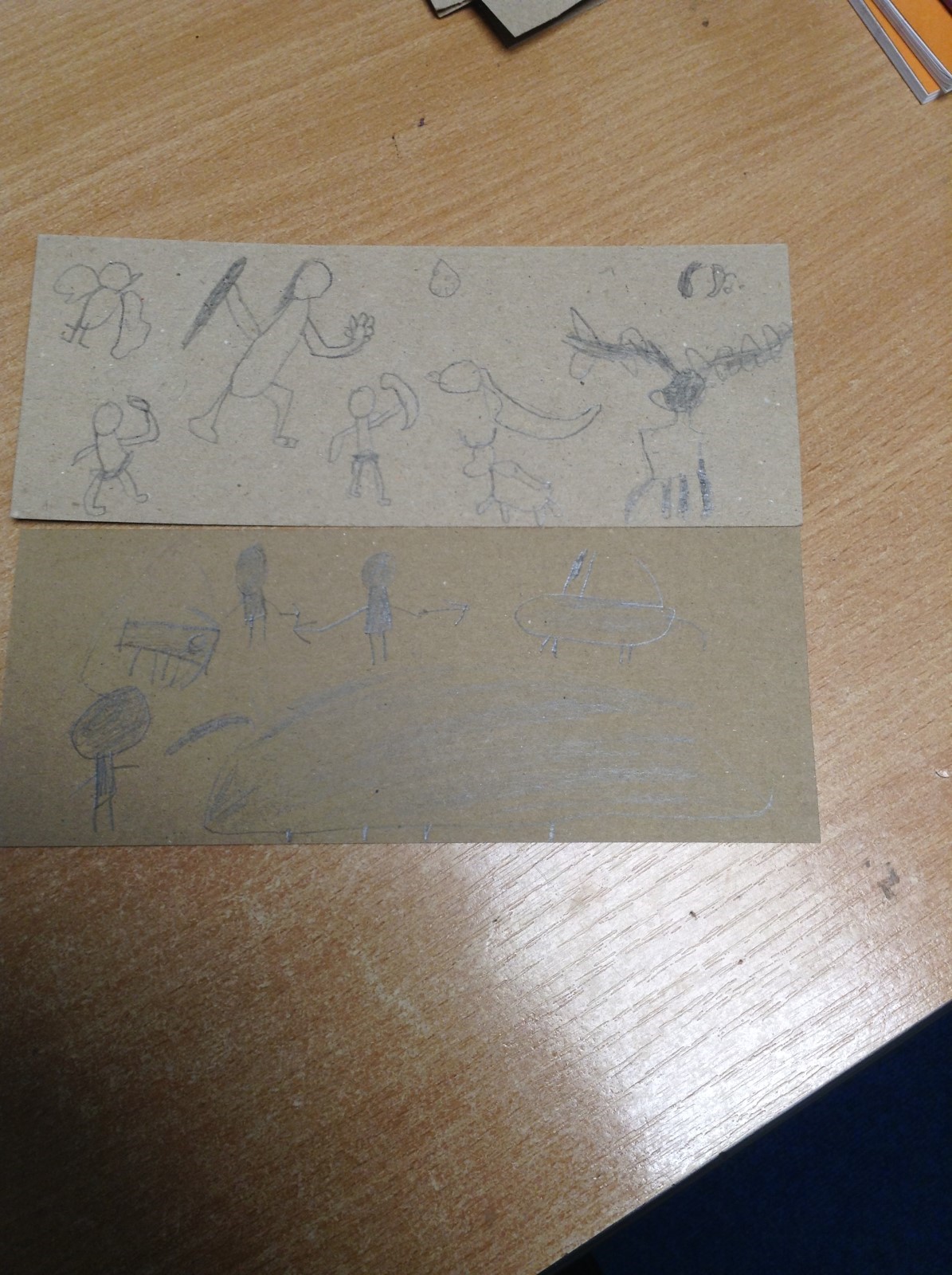
“I wonder what they used to paint on the walls.” - Issac
“The handprints look really cool.” - Adara
3S Autumn 2 Week 1
We have started a new book this week in English. We don’t know what it is yet but have been given some clues and made some predictions. We saw some words and pictures that are used in the book to help us guess what our book might be about. We shared our ideas on post-it notes around the words and pictures.
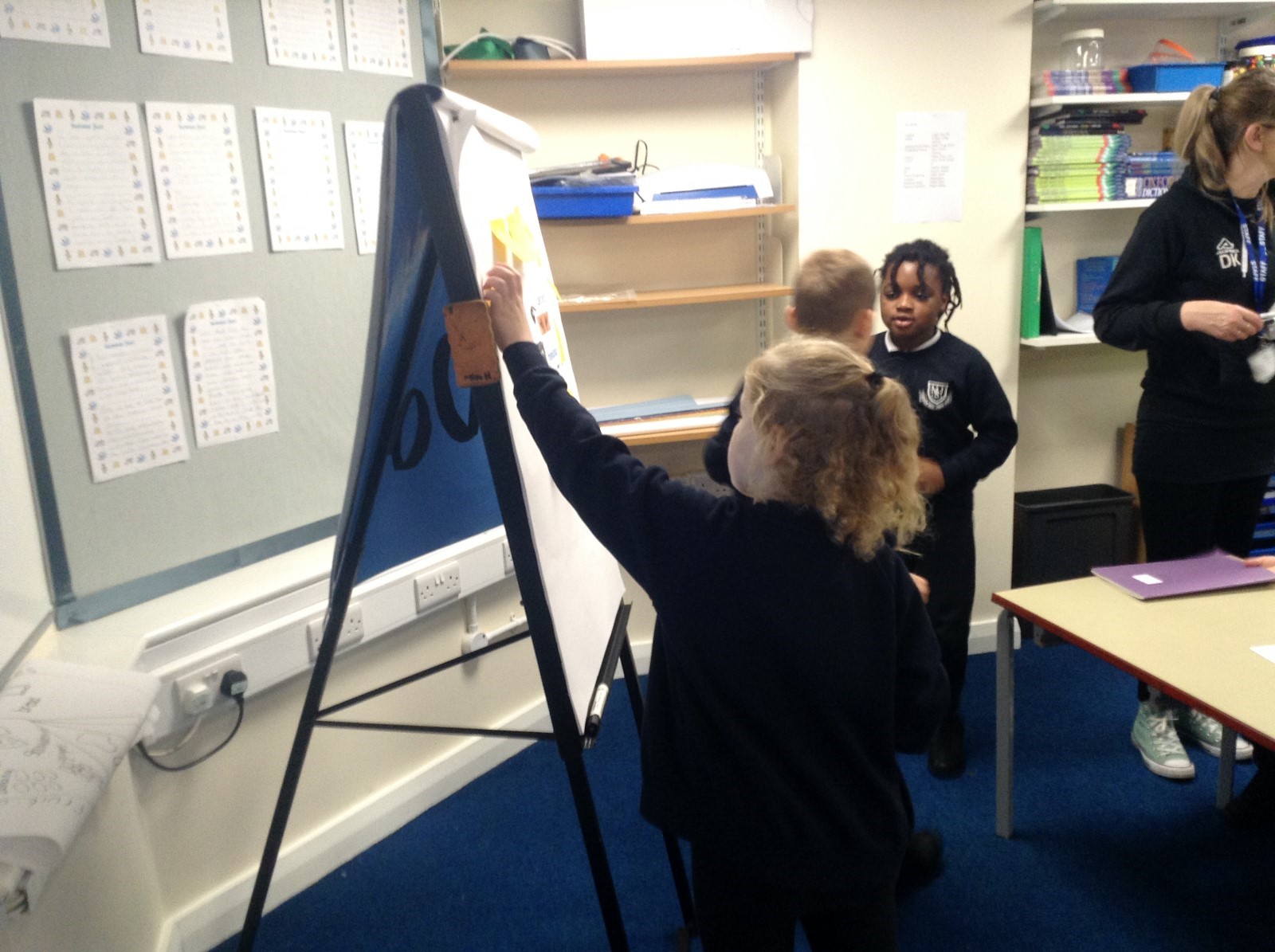
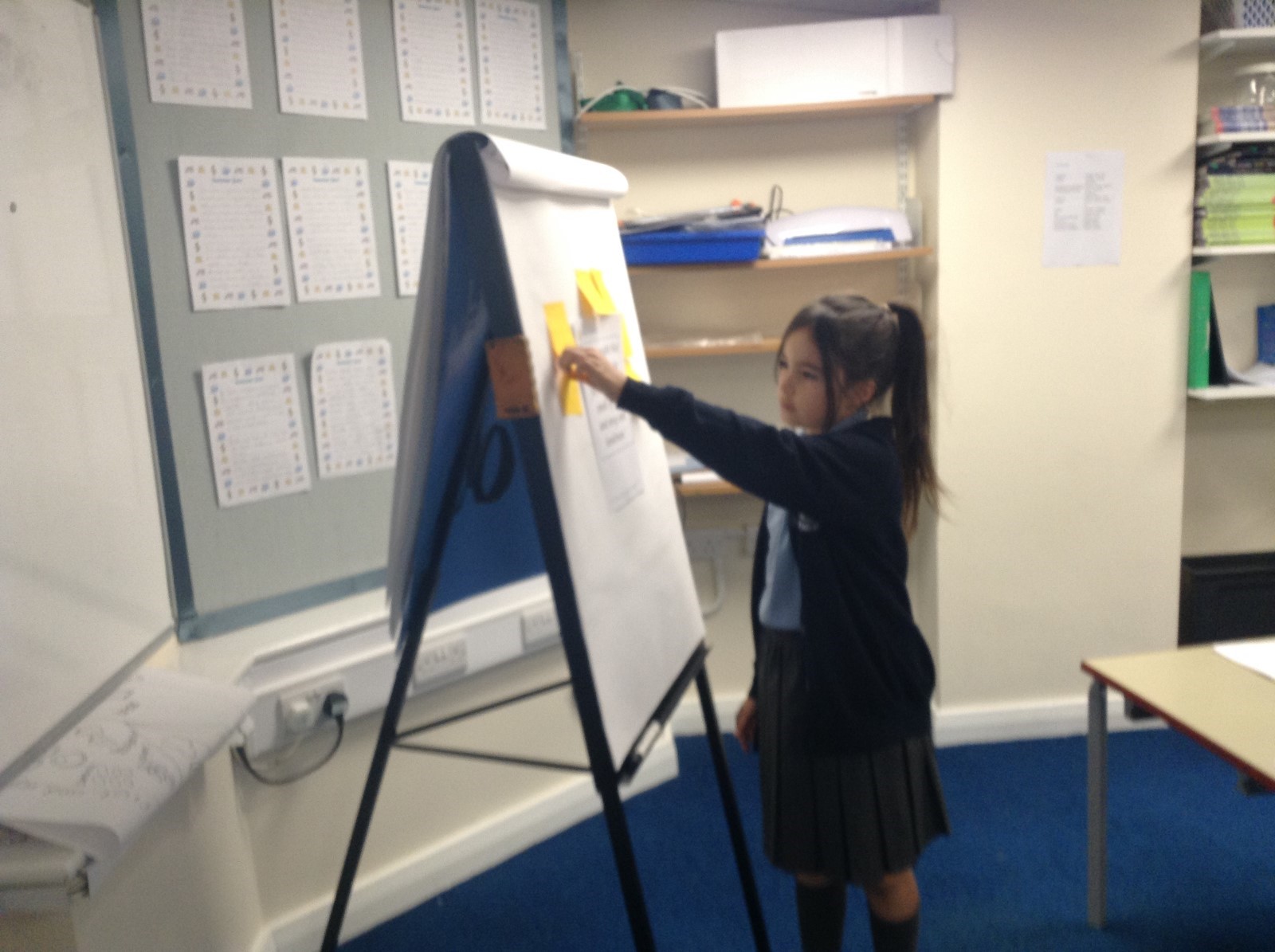
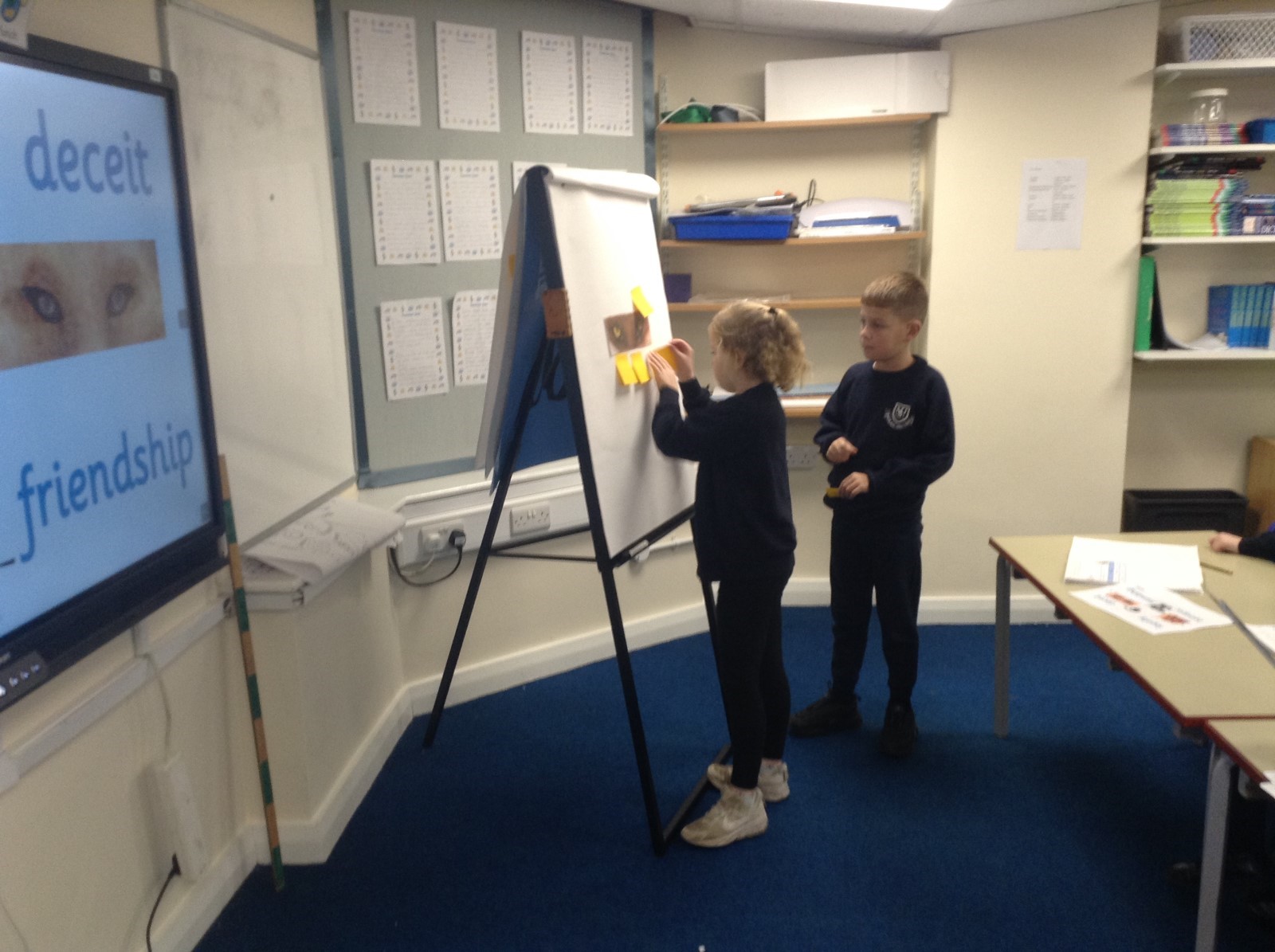
“I think the eyes look like a wolf.” - Issac
“Deceit means telling lies.” - Daniel B
In Maths, we consolidated our learning from before half-term. This included using the column method for addition and subtraction. We revisited how to know when we need to exchange and how to show that in our working.
“You always start with the ones column.” - Sirraj
“We exchange one 10 for ten 1s.” - Adunola
On Wednesday 30th October, we completed some work about anti-racism. We had a workshop delivered to us by Blackburn Rovers about racism and the experiences that some footballers have had. We were shown that we shouldn’t judge people by how they look and we should be kind to everyone no matter their skin colour or religion.
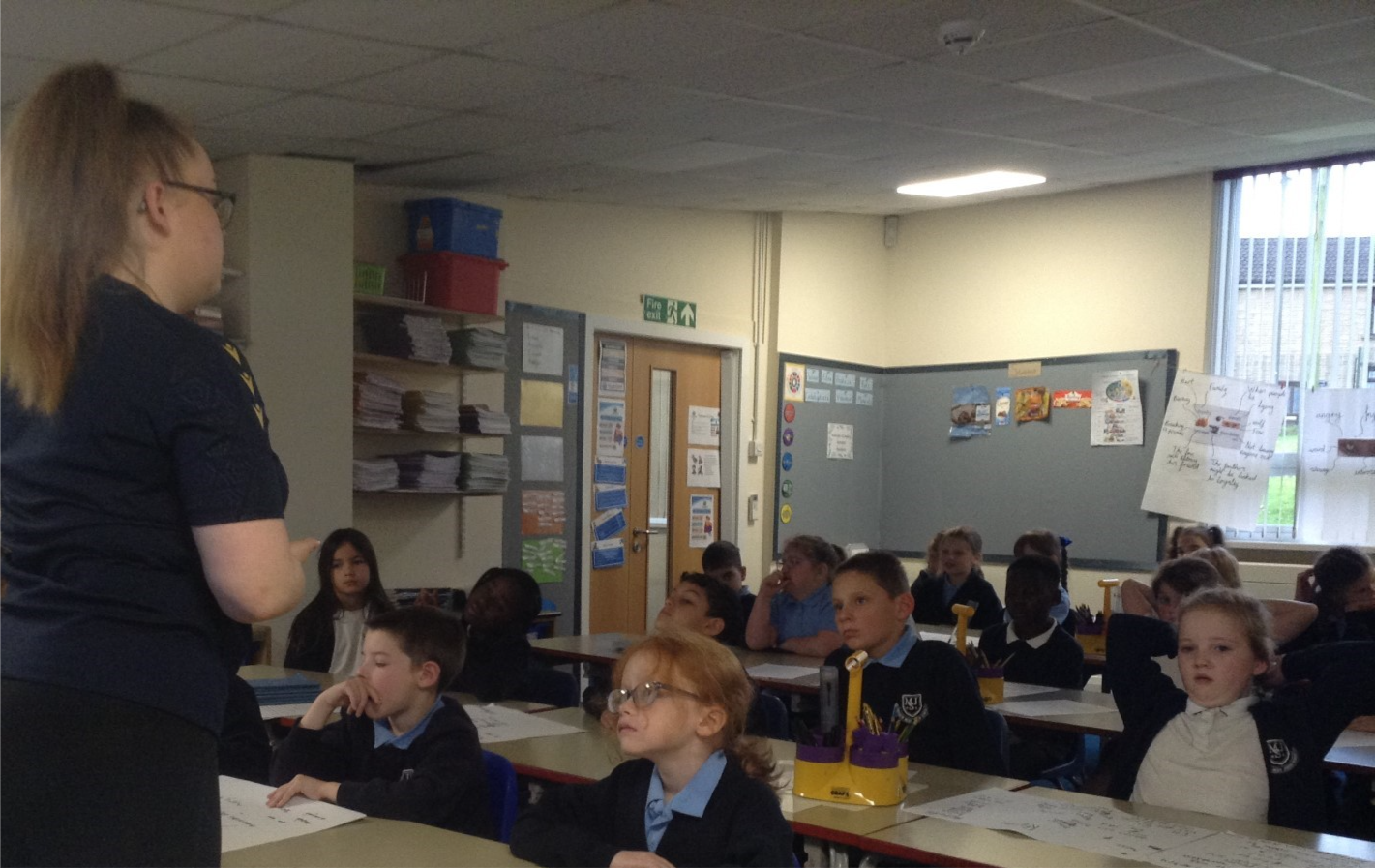
“Some of the pictures were the same person and we didn’t know. It showed that we shouldn’t judge people for how they look.” - Eduard
“If someone was mean to me it would make me feel emotional.” - Teddy
During October, we have learnt about Black History Month. We have been shown lots of different influential black people to understand why we celebrate them and their work during October.
As part of this, we learnt about Serena and Venus Williams. We made collages and wrote poems about their lives and achievements in tennis.
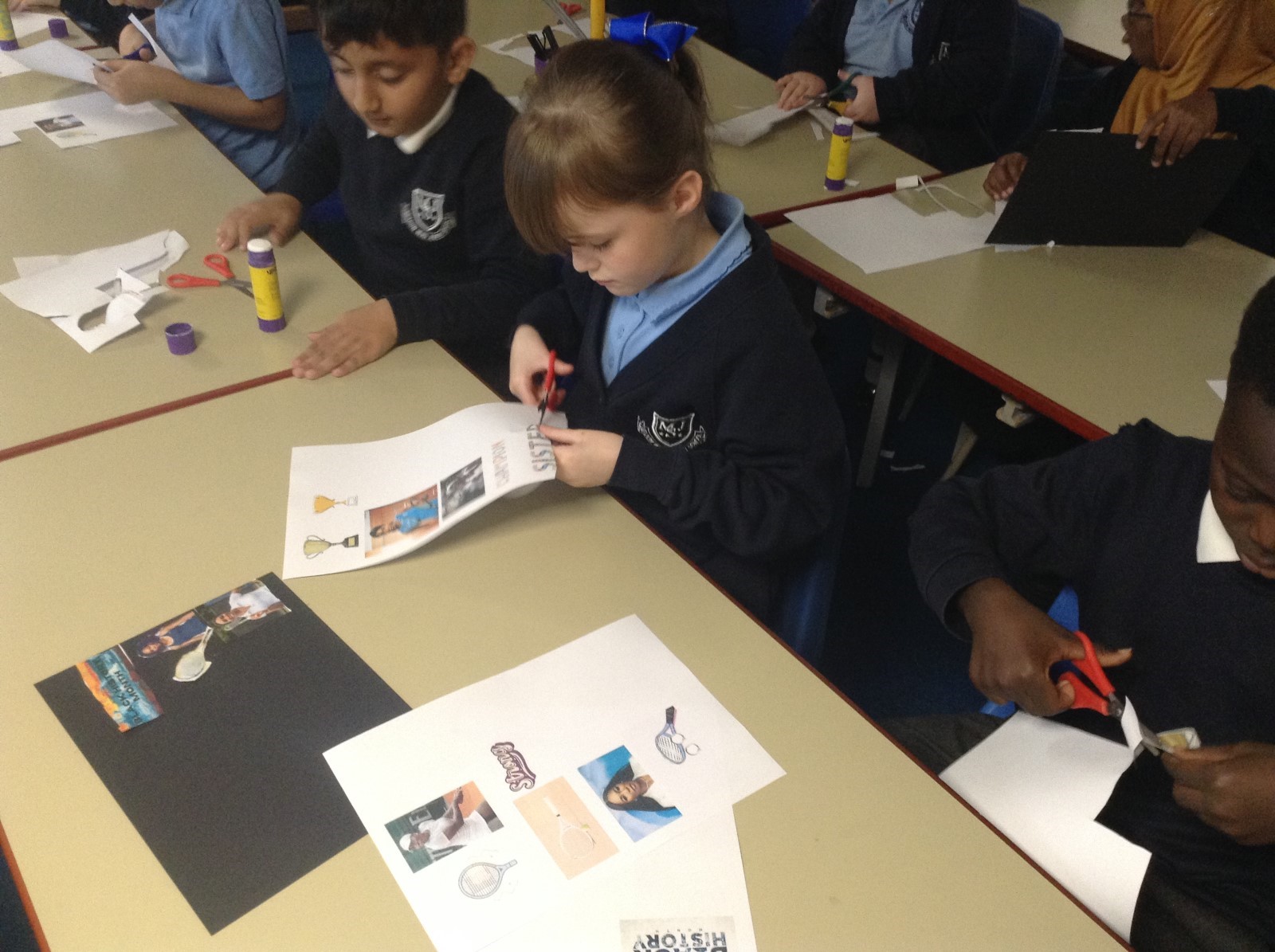
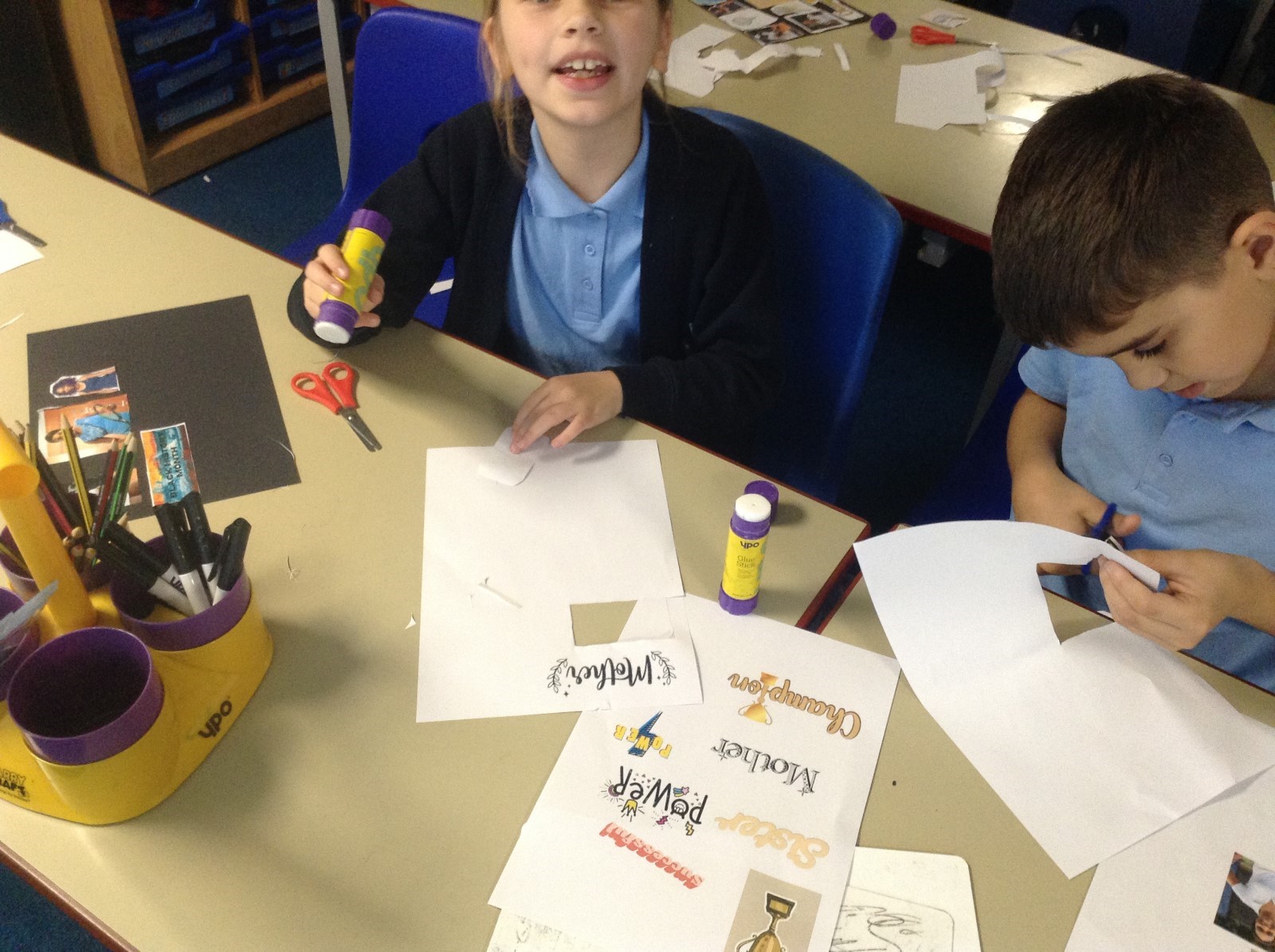
“They are very talented sisters!” - Nadia
“They have won lots of medals and trophies!” - Noah
3S Autumn 1 Week 7
Our final Geography lesson was completing our fieldwork. We went outside to look at the playground and surrounding areas. We then used this time outside to help us draw our own maps of our playground and school. We found out what street we are on and discovered all the different parts of our school.
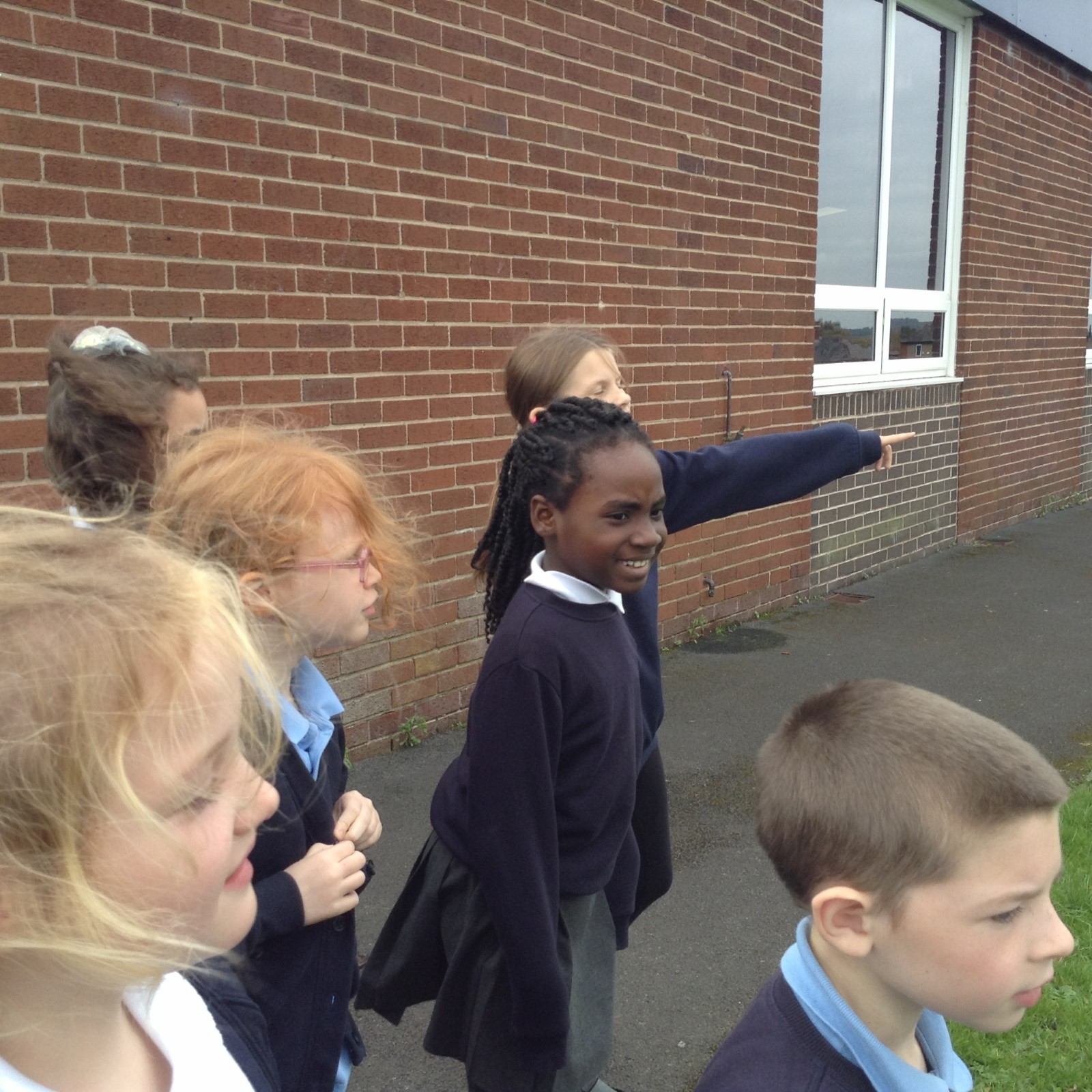
“I didn’t know we had a car park!” - Issac
“I could see all the equipment on the playground.” - Abi
In Science, we have been learning about nutrition and how to make a balanced meal. This week, we had lots of yummy food to choose from to show what a balanced meal can look like. We also got to eat it!
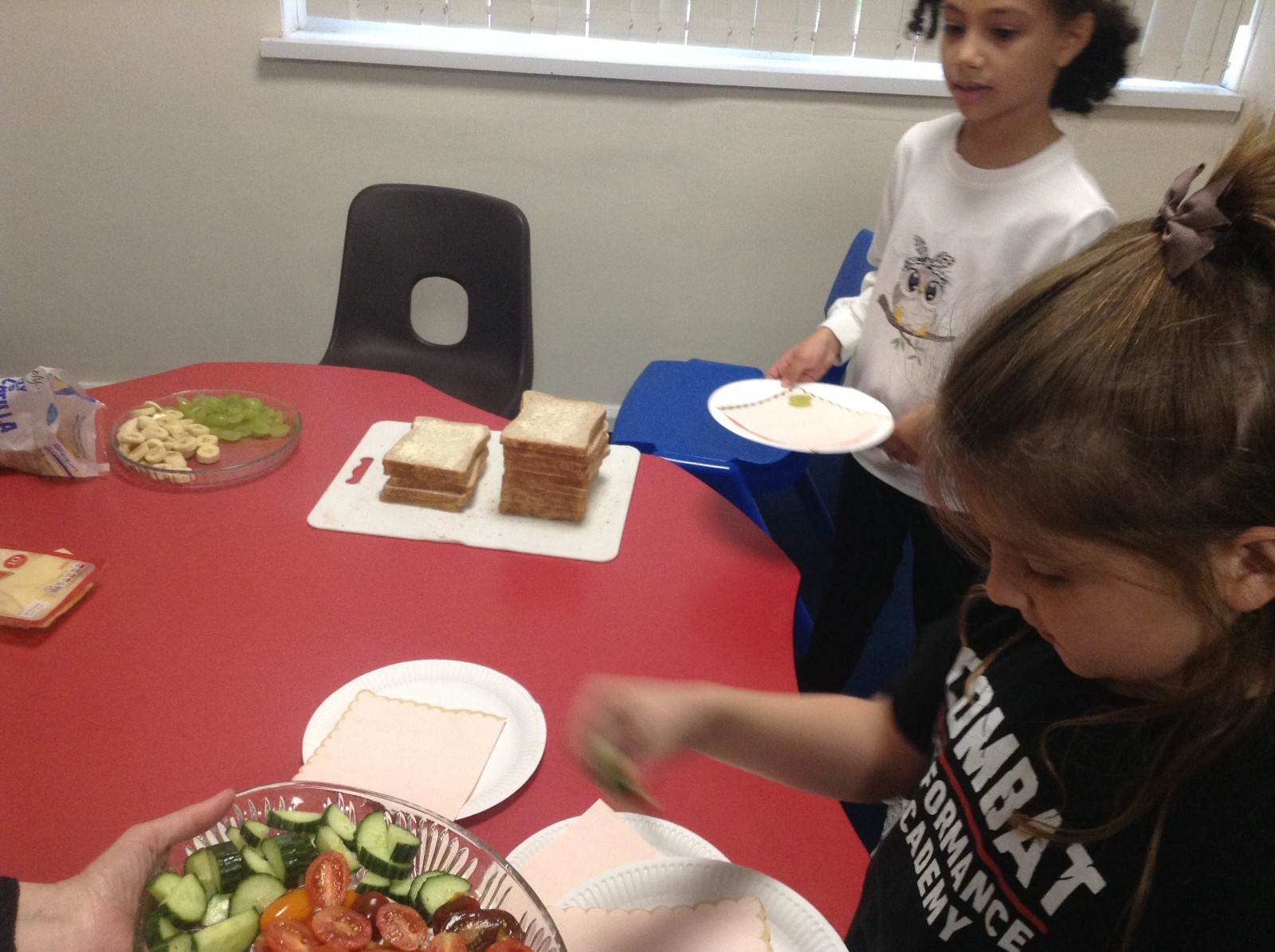
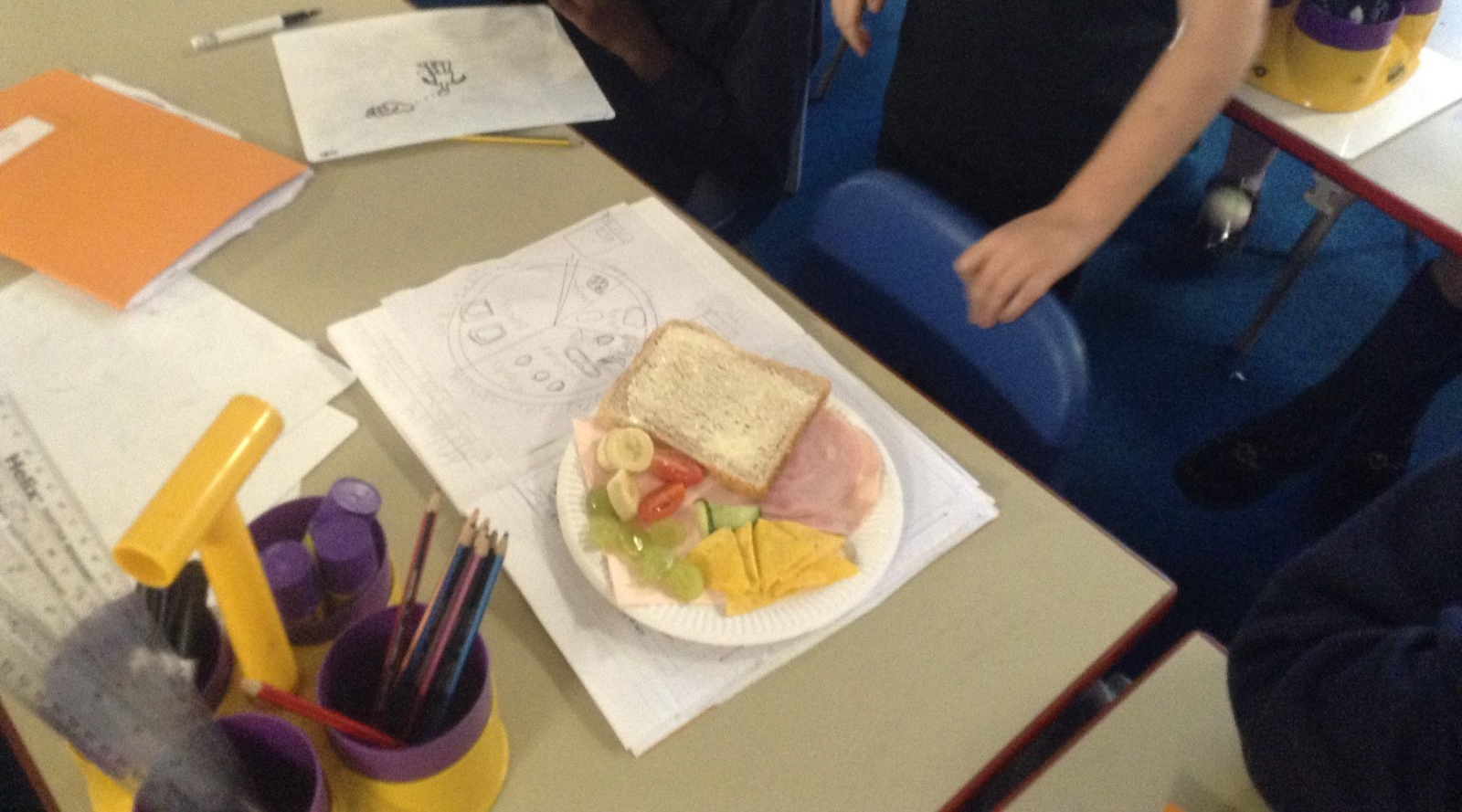
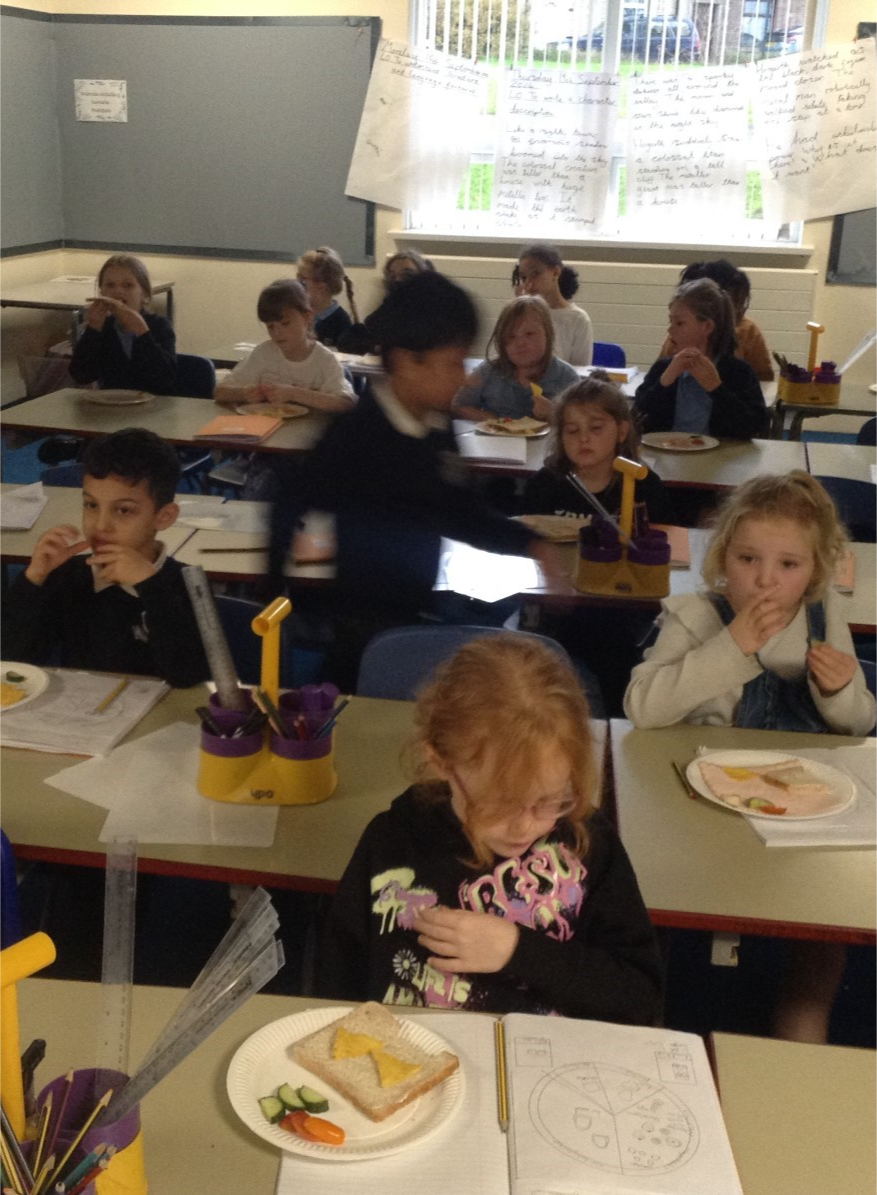
“The ham in my meal is the protein.” - Hollie
“The grapes and tomatoes are fruits and vegetables.” - Allanah
In PSHE, we pretended that a new student was about to start in our class. We discussed how it would feel to be new and what we could do to make them feel welcome. We then designed a card in our books that would welcome a new student into our class.
“I would be scared if I had to start a new class.” - Whitney
“I would want to feel welcome in a new class.” - Sirraj
3S have now finished their first half term in the Juniors and I am so proud of them for all their hard work. I hope everyone has plenty of rest over the half term!
3S Autumn 1 Week 6
In French this week, we learnt how to ask and answer the question “Where are you from?”
“I really enjoy the songs in French.” - Eduard
"It's fun learning a new language." - Ava
On Thursday 10th October, we celebrated World Mental Health day. We were allowed to come into school wearing yellow to spread some happiness. We also used post-it notes and wrote nice things about our friends on their backs. It was a nice surprise when we got to read them!
“It was nice to see the lovely things people thought of me.” - Nadia
“My friends are very kind.” - Bryan
We have also been doing some Iron Man work in Art. We drew our own Iron Man but his eyes could change colours! This is part of our animation unit.
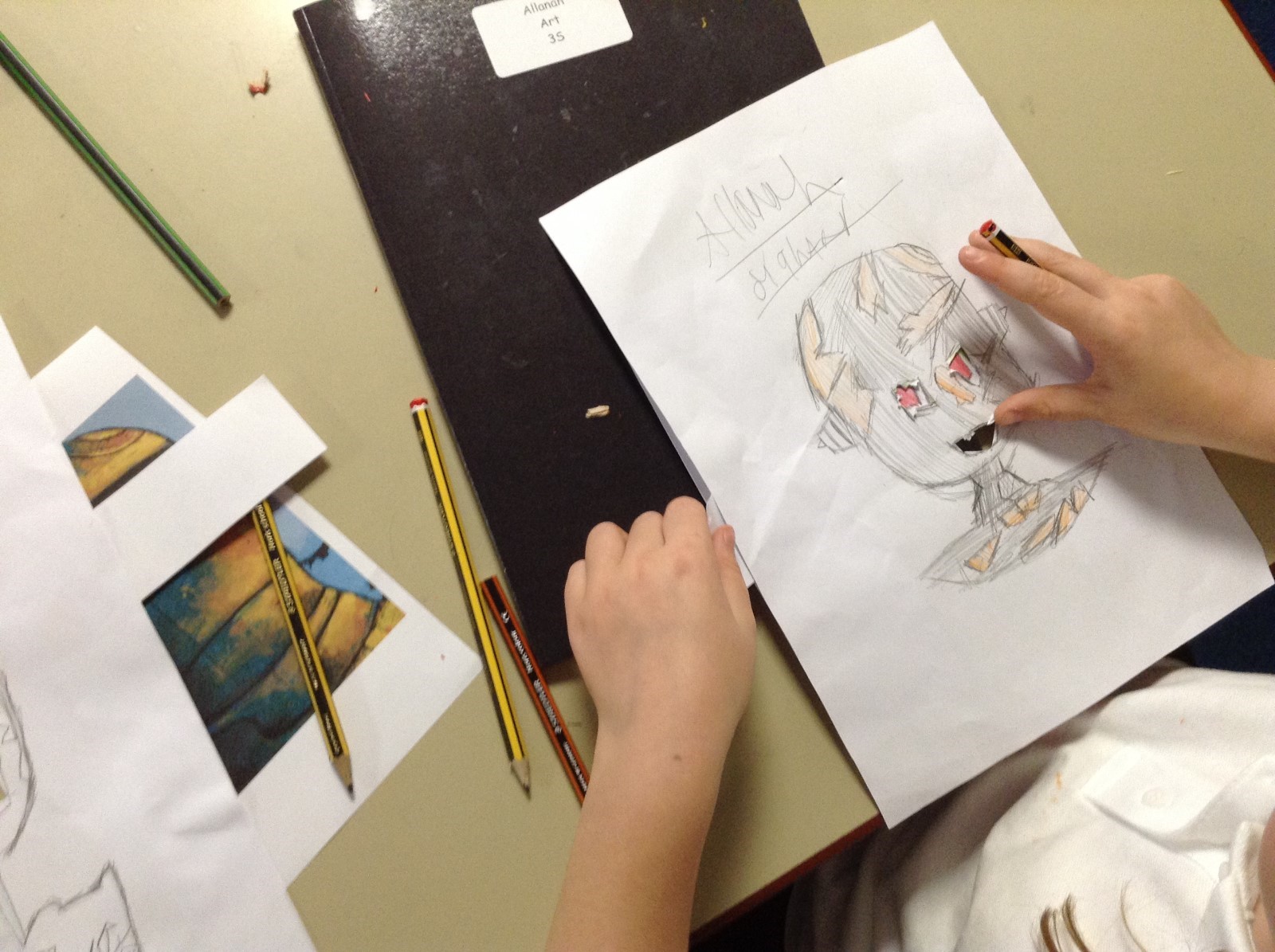
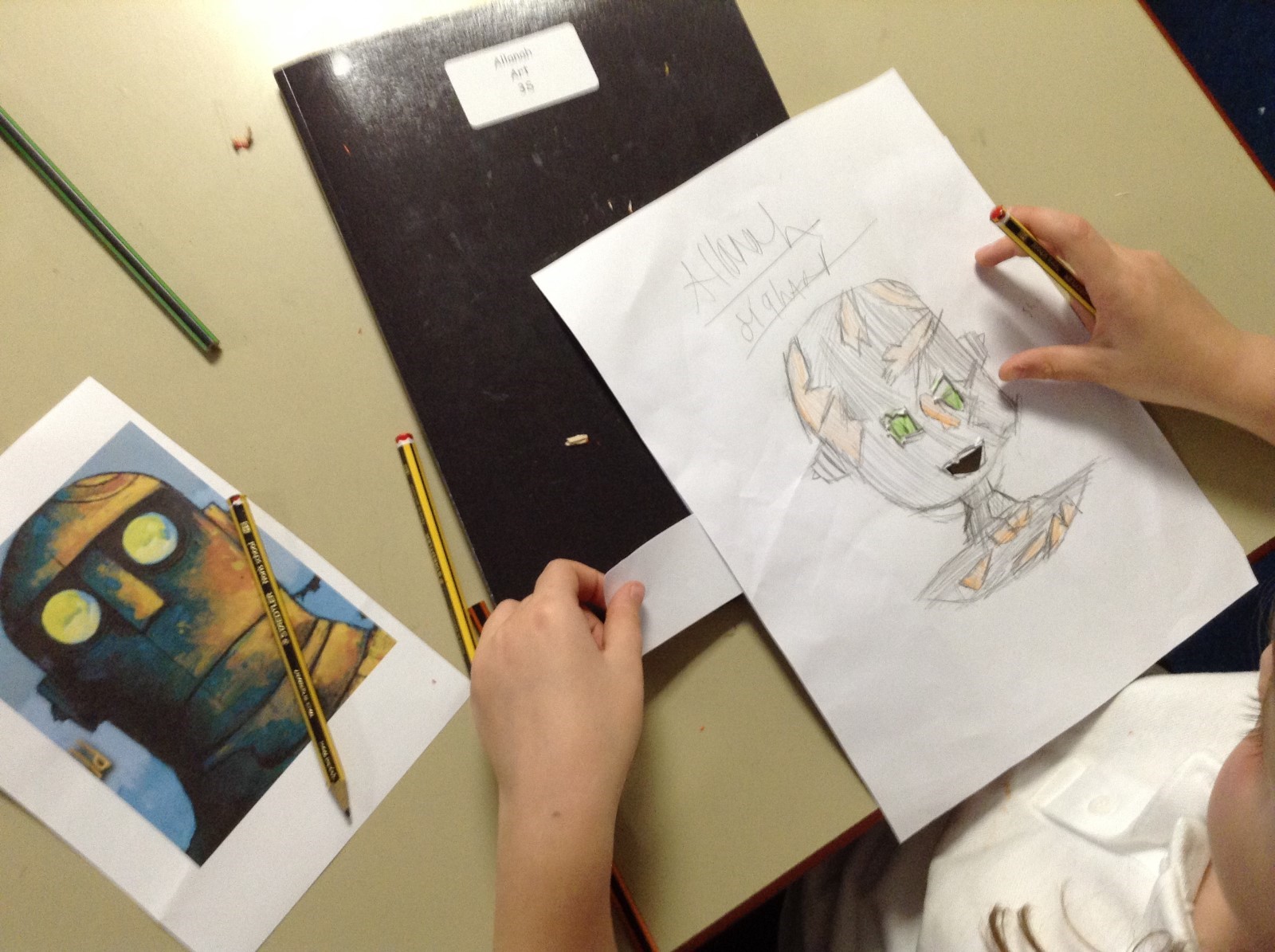
“Mine changed from red to green.” - Allanah
“Mine had 3 different coloured eyes.” - Natalia
3S Autumn 1 Week 5
In Computing, we used Ipads to make a song. We put together all the different sounds to create our own music.
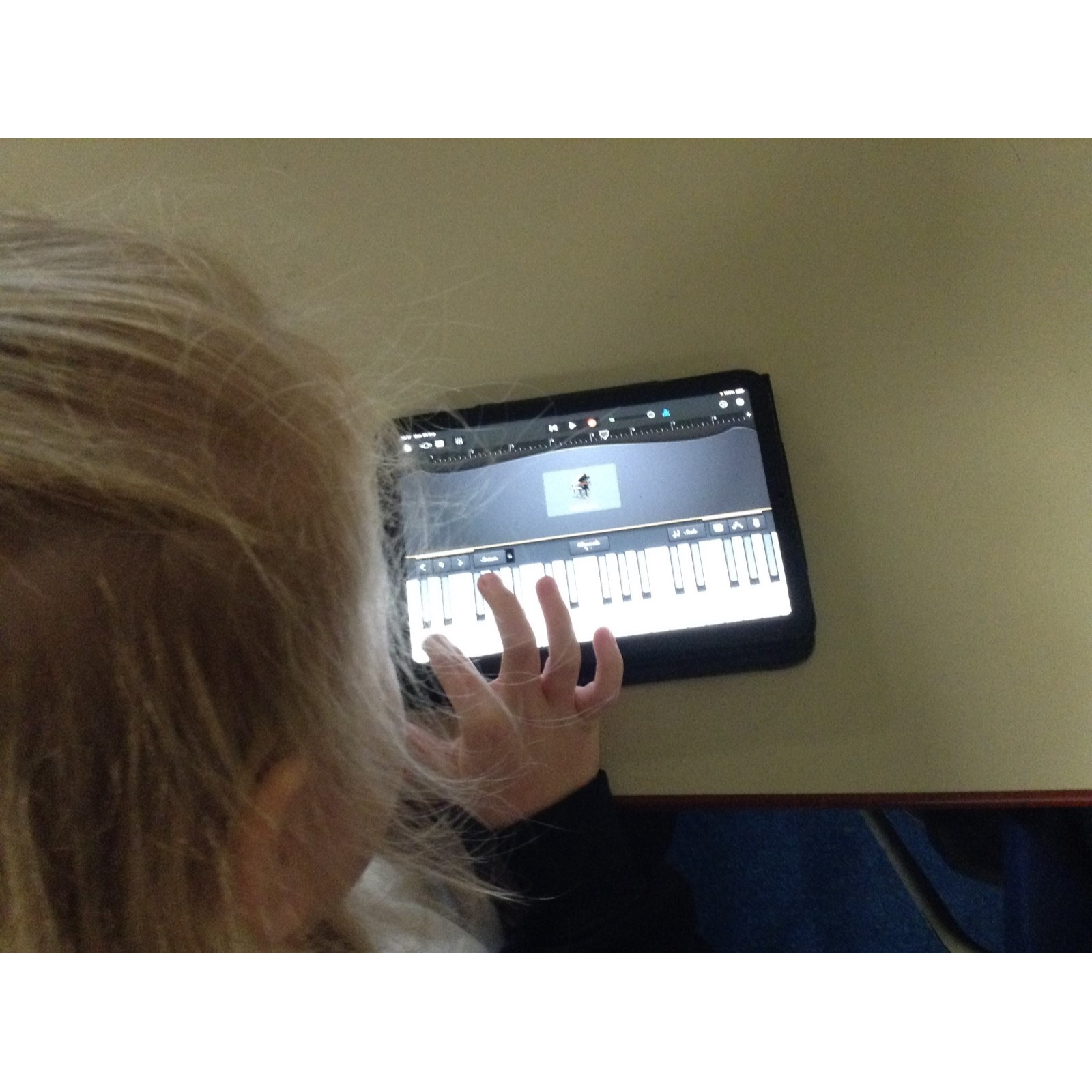
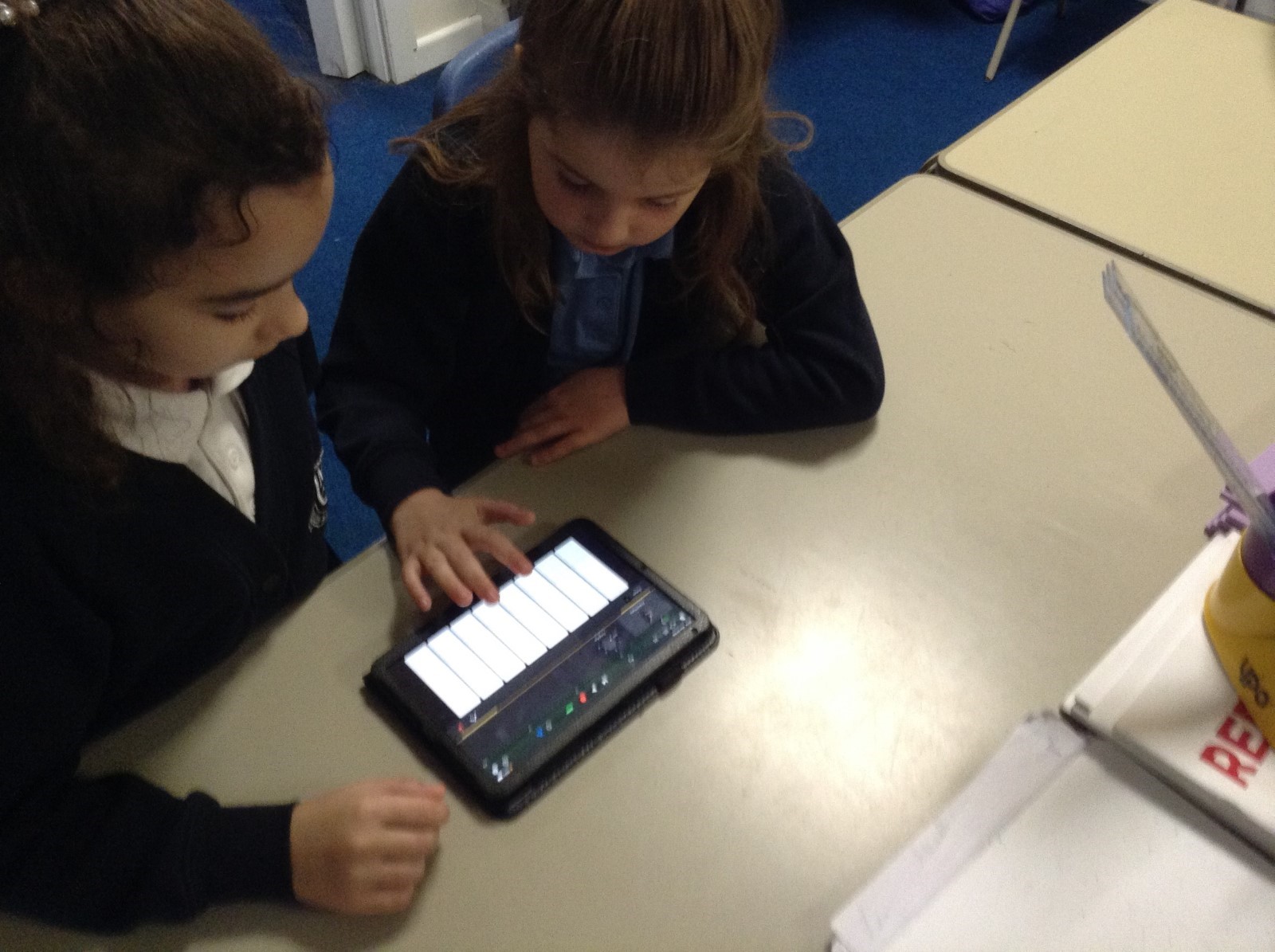
“I really enjoy making music on the Ipads.” - Daniel
“I had so much fun!” - Bailey
In Geography, we discussed why a population might increase or decrease. We acted out each scenario to show how this will change a population. These included more/less jobs, having children/not having children and illnesses/good healthcare.
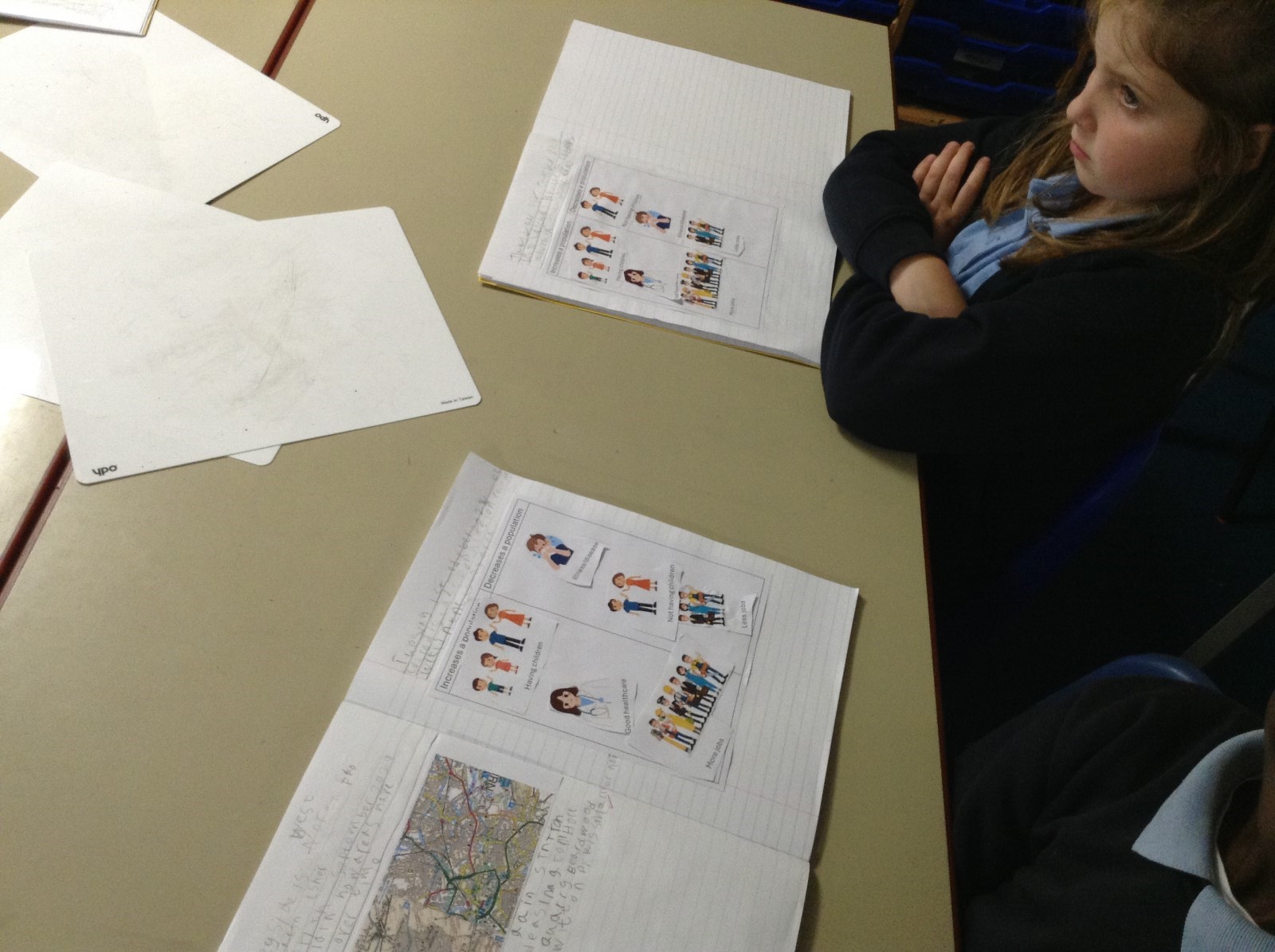
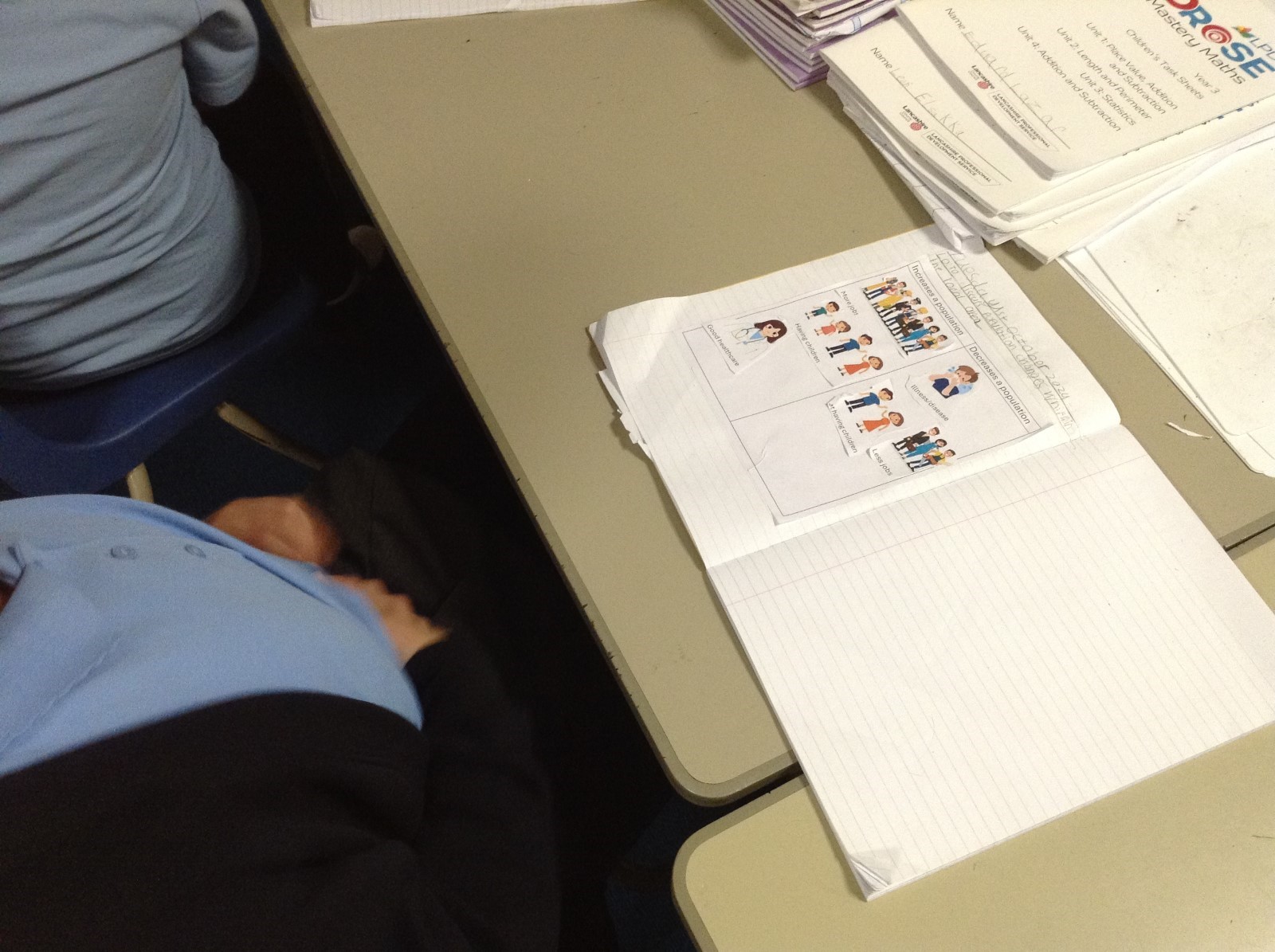
“Population would decrease if there was a war.” - Issac
“People might move to somewhere safer if there was an earthquake.” - Rose
In English, we have been designing a trap that could be used to catch the Iron Man. We acted out how our traps would work and what would happen to the Iron Man when he got trapped.
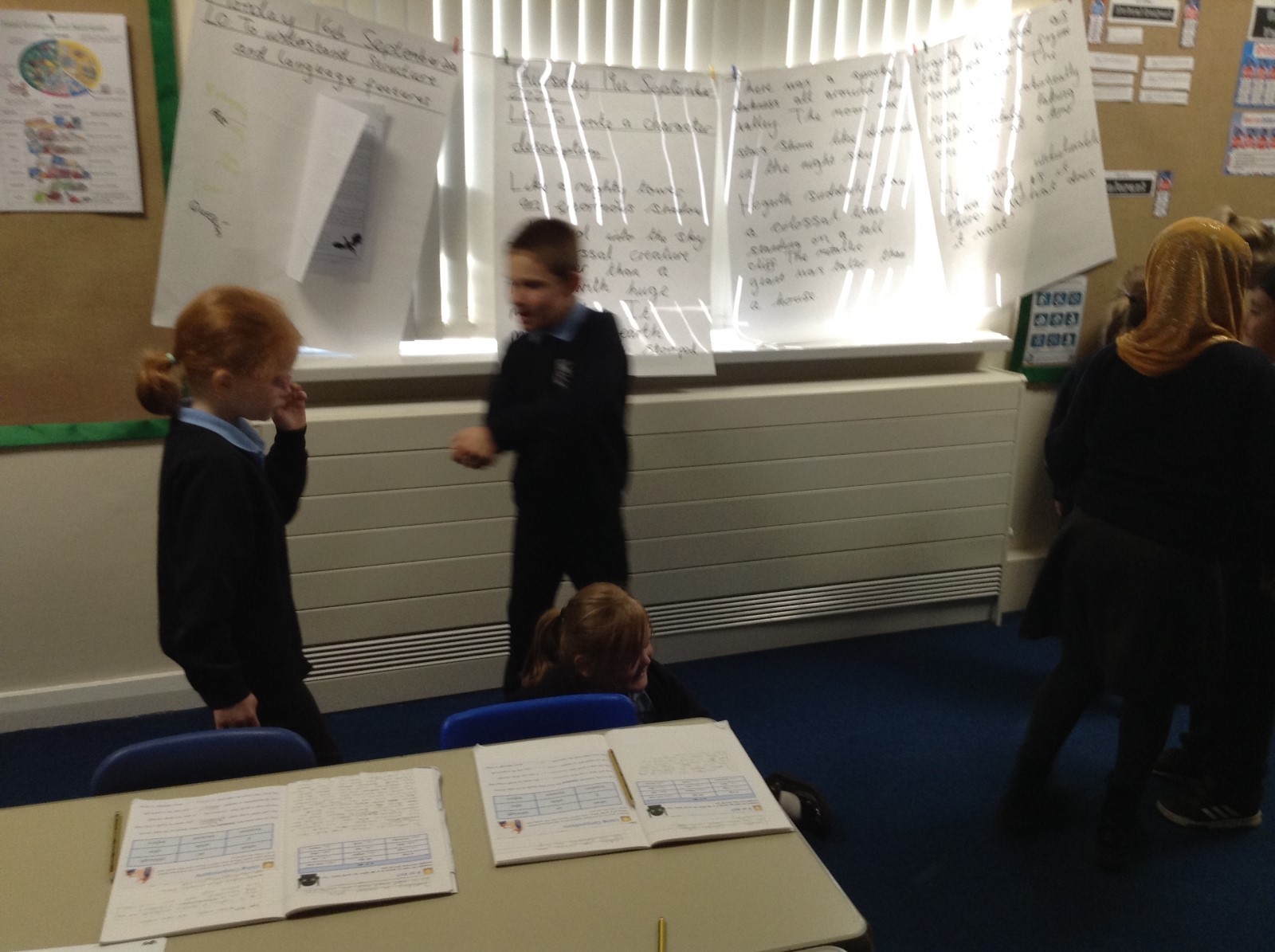
“The Iron Man wouldn’t be able to escape my trap.” - Natalia
“My trap would use quicksand so then the Iron Man can’t get out.” - Adara
3S Autumn 1 Week 4
This week in Maths, we have been looking at adding and subtracting 2-digit numbers together. We did this by splitting one of the numbers into 10s and 1s, adding the 10s first and then adding the 1s. We used a number line to help our learning.
“This made it easier for me to add and subtract bigger numbers.” - Noah
“This was easier than counting on my fingers.” - Nadia
In Science, our topic this term is Animals including humans, with a focus on nutrition. We have explored the main food groups and how each nutrient helps our body. We have also identified which foods belong to each food group.
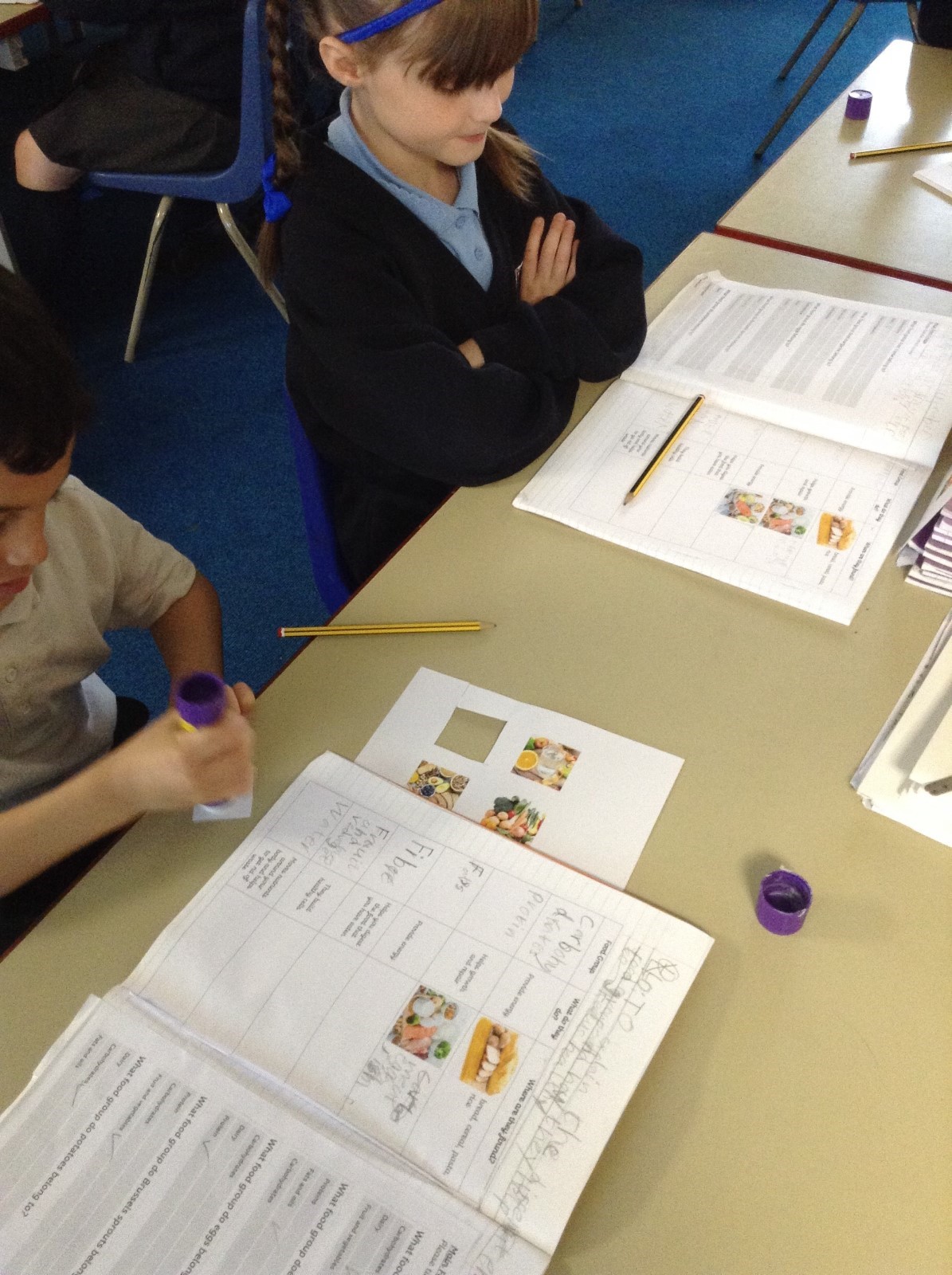
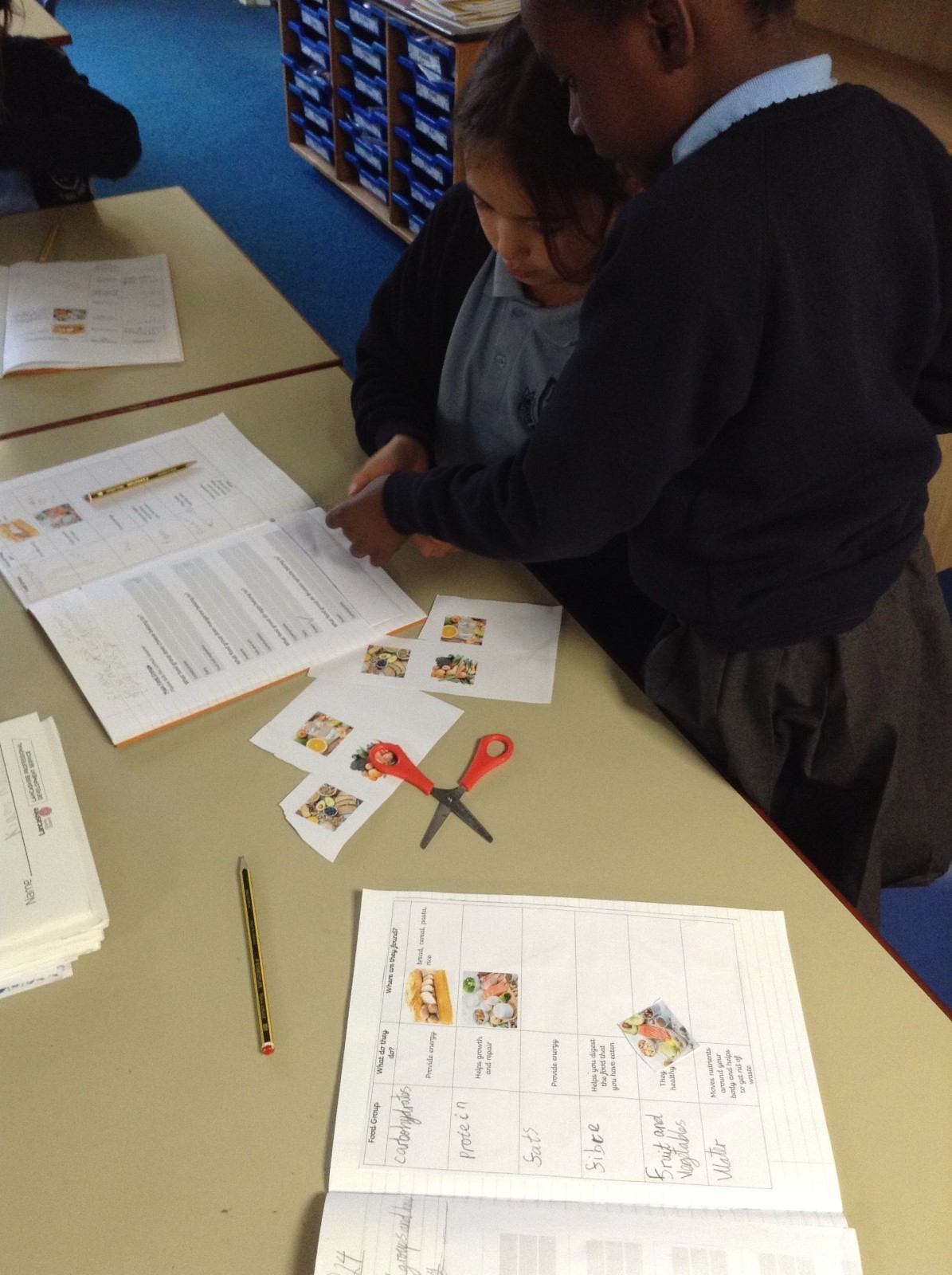
“Sweet things taste really good, but you shouldn’t have a lot of them.” - Hollie
In Art, our topic is making animated drawings. This week, we looked at animation made by Andrew Fox and Steve Kirby and we drew our own versions of the animals that they used. We then drew our own version of the Iron Man from a video by the Illustrator, Chris Mould.
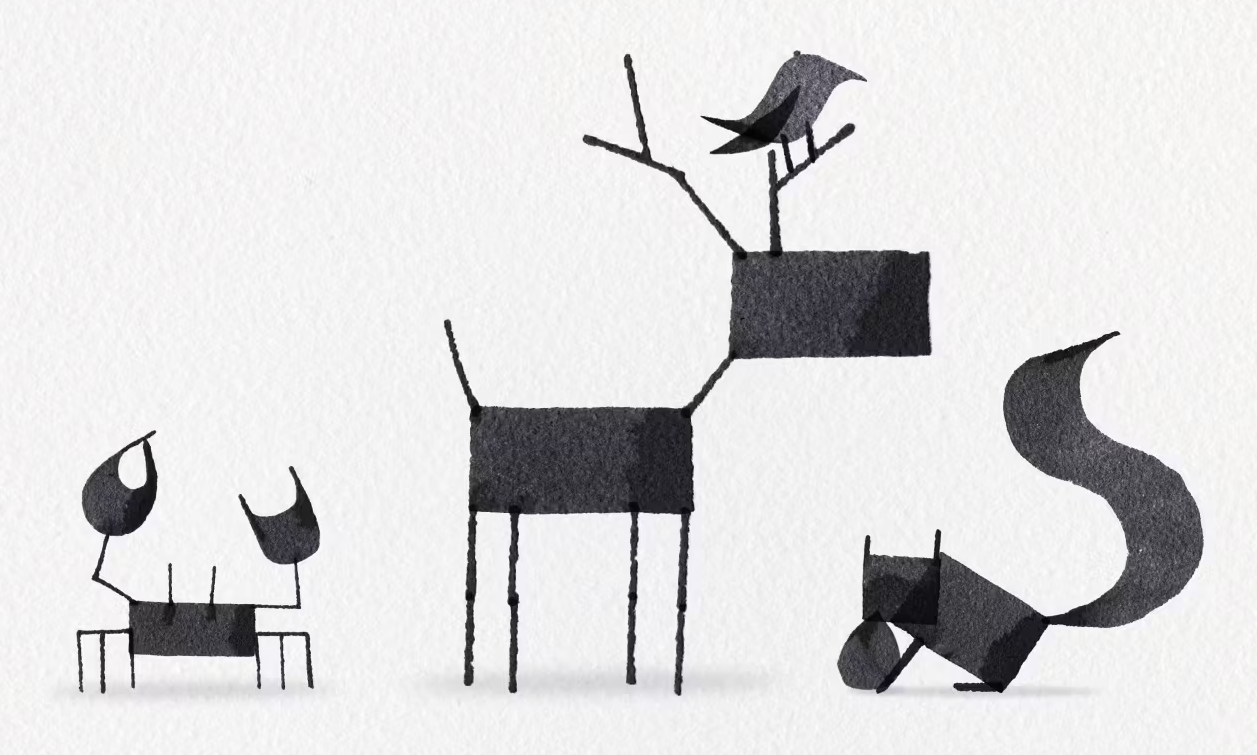
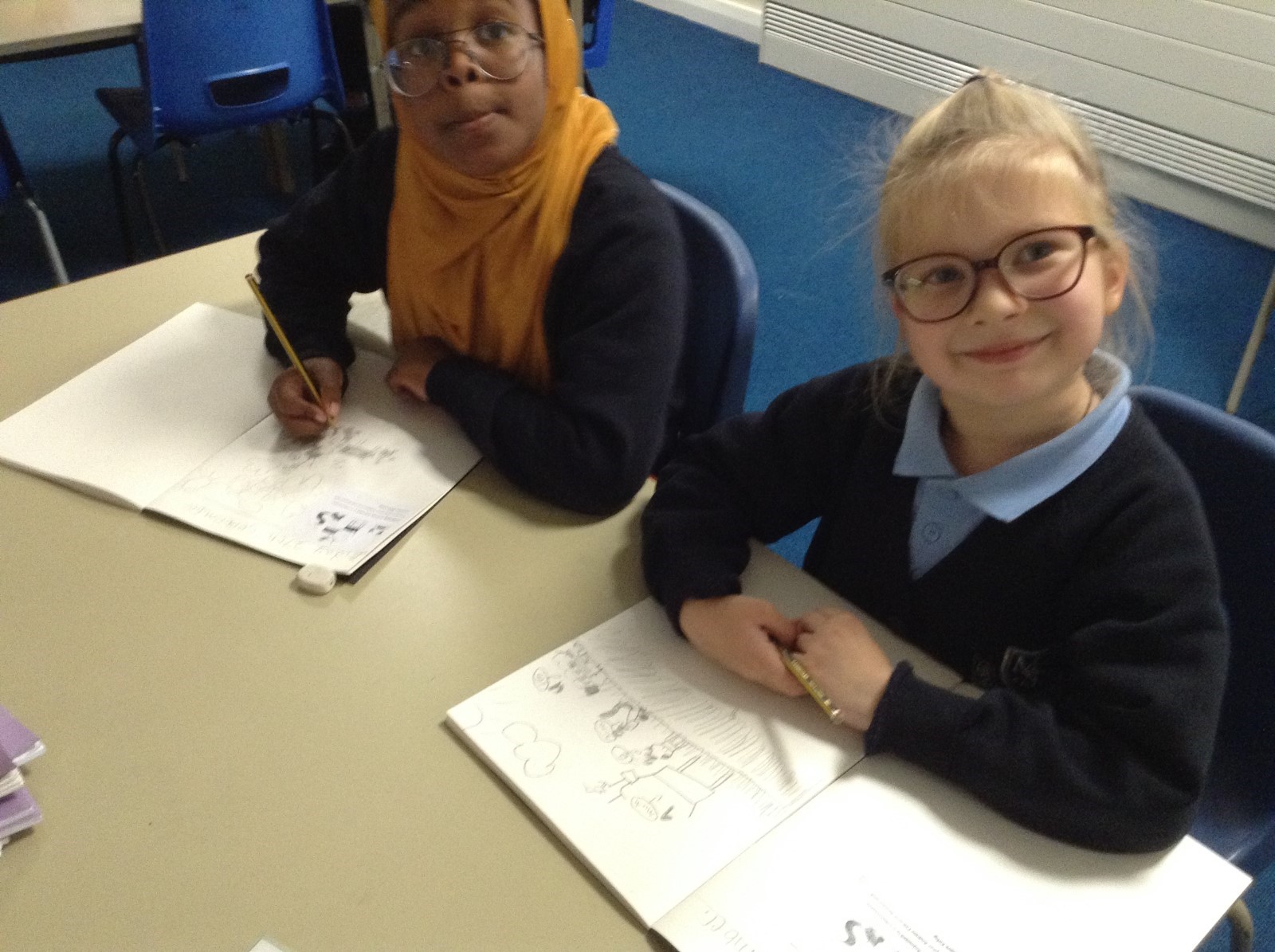
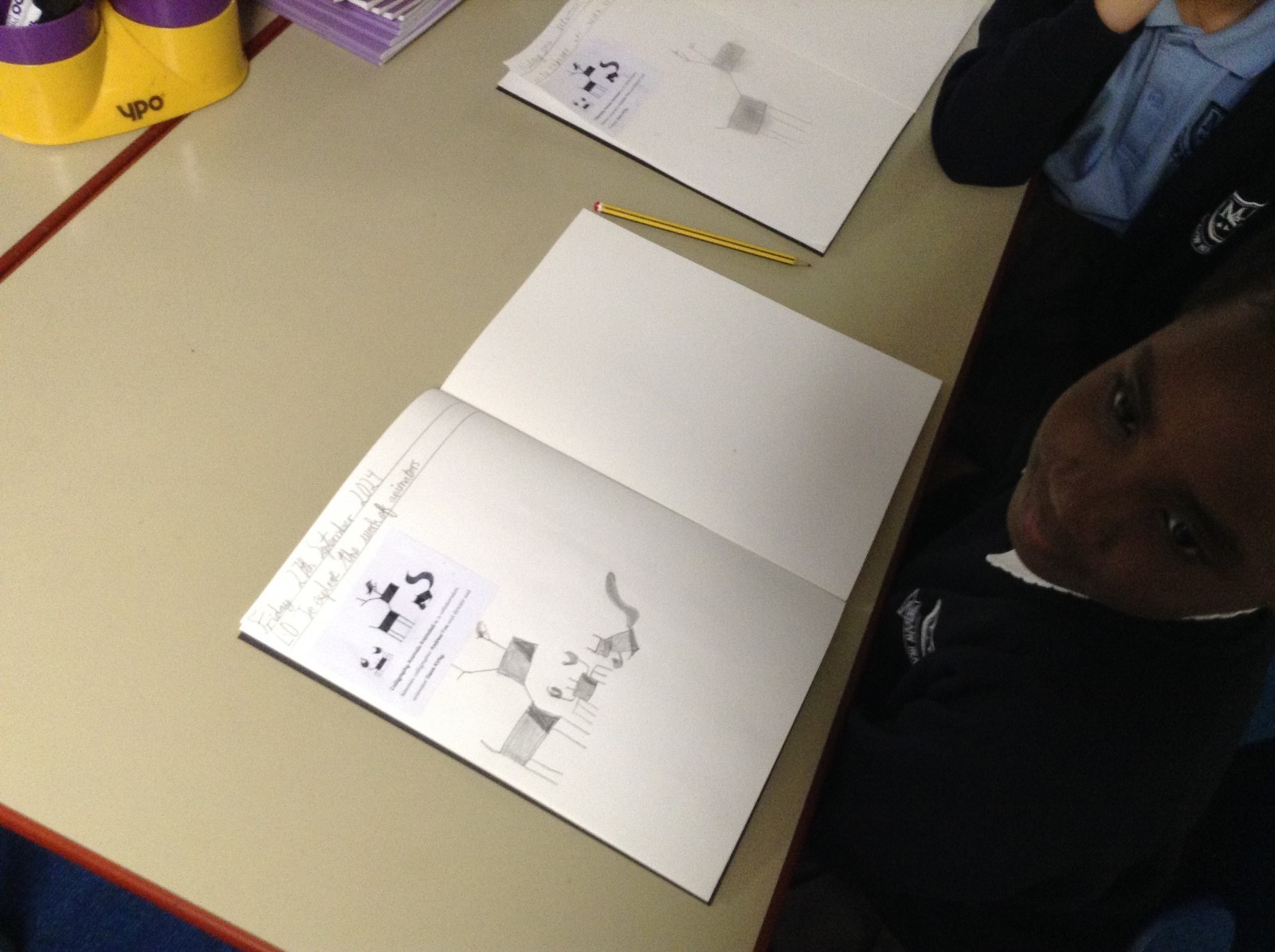
“I thought the crab was really funny.” - Eduard
“The stag looked beautiful.” - Aadiya
3S Autumn 1 Week 3
In our PE lessons this week, we continued our gymnastics. Last week, we started by learning some gymnastics movements such as the pike, straddle and tuck. This week, we practised those skills again and moved onto climbing up the ropes!
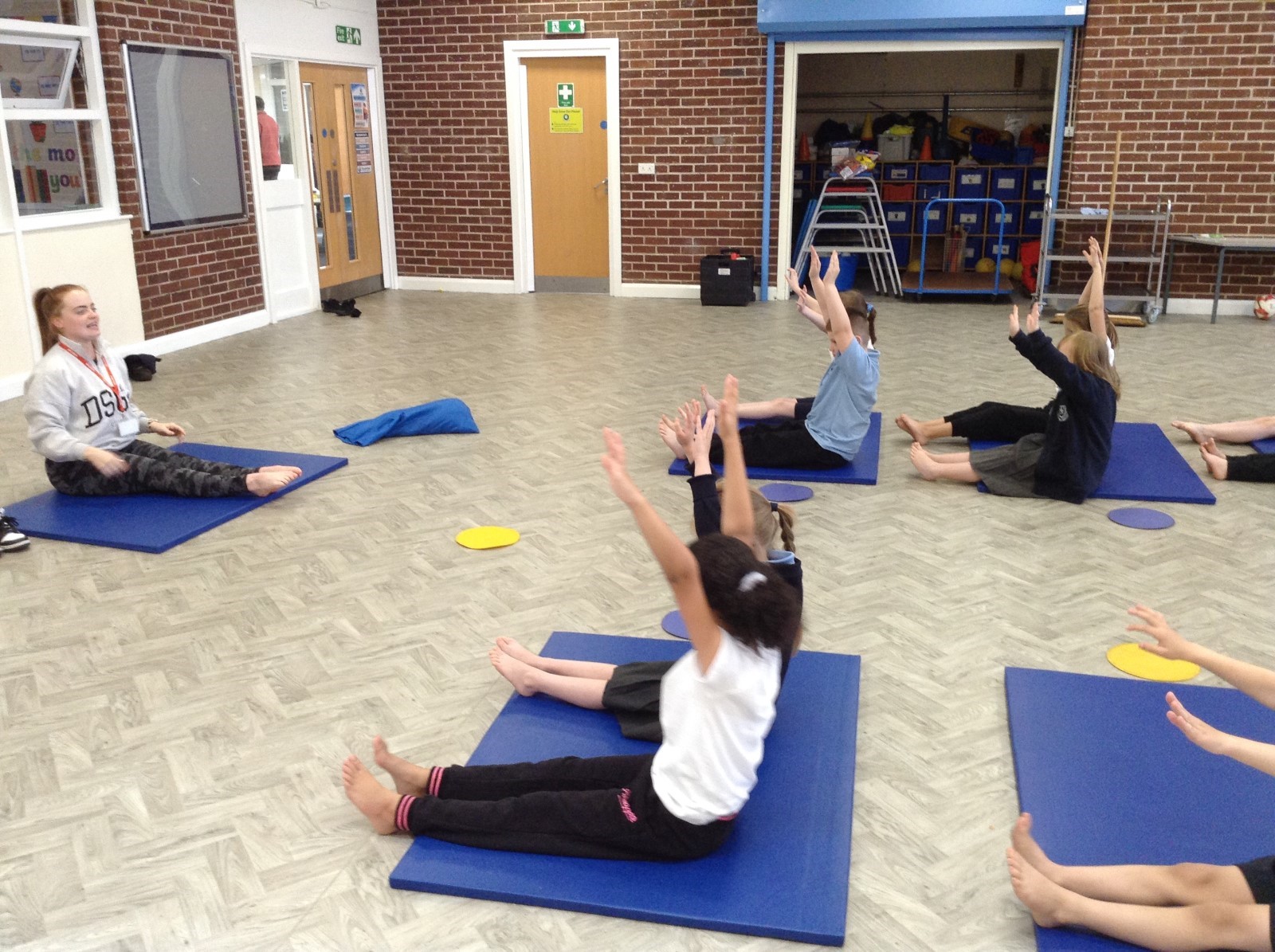
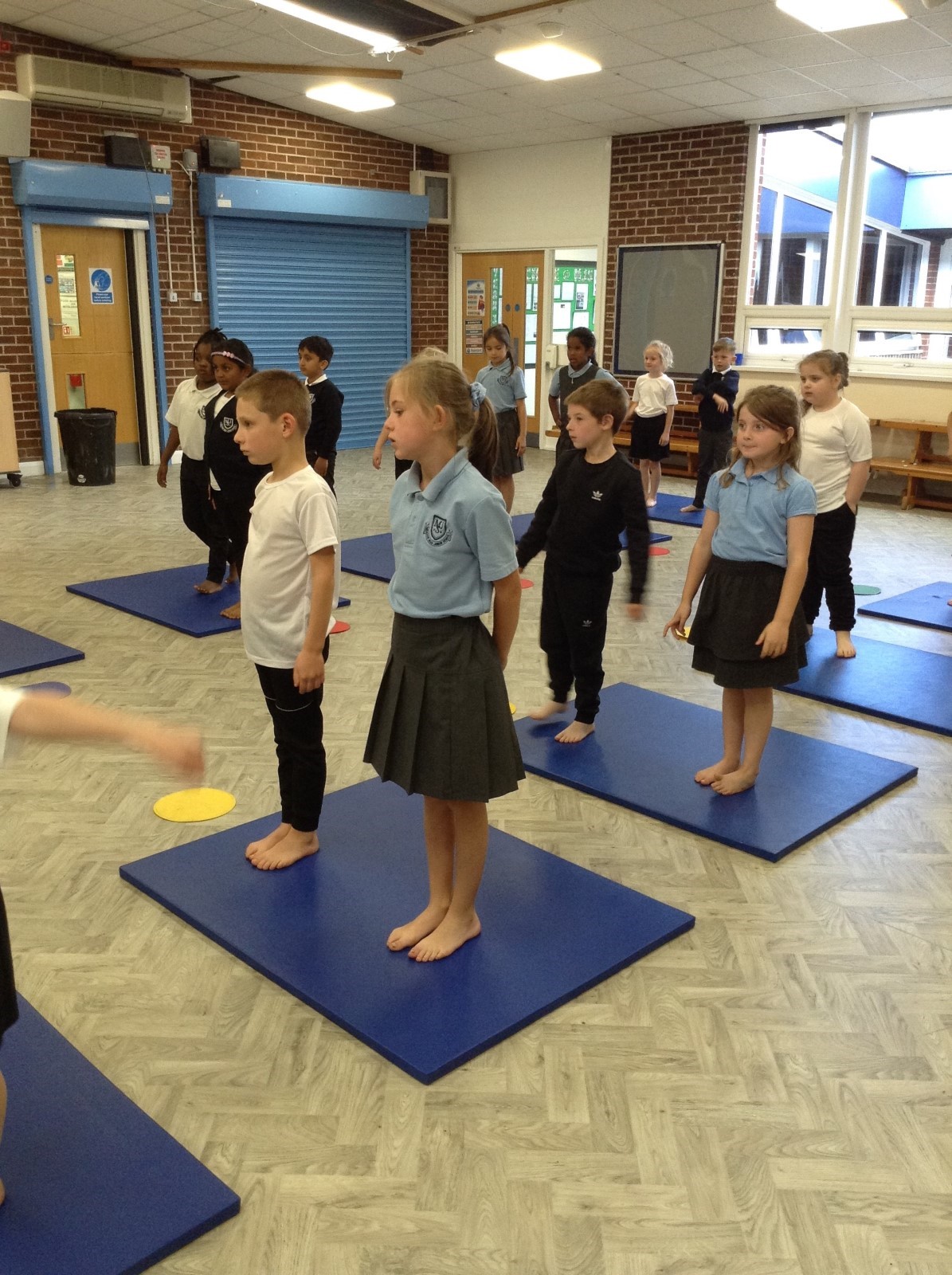
“We had to do log rolls which was rolling without our head or legs touching the ground.” - Issac
“I got all the way to the top!” - Sirraj
In RE, we have been learning about the harvest festival. We talked about what we think it is and why it is an important celebration for some people. We discussed the foods that we are grateful for.
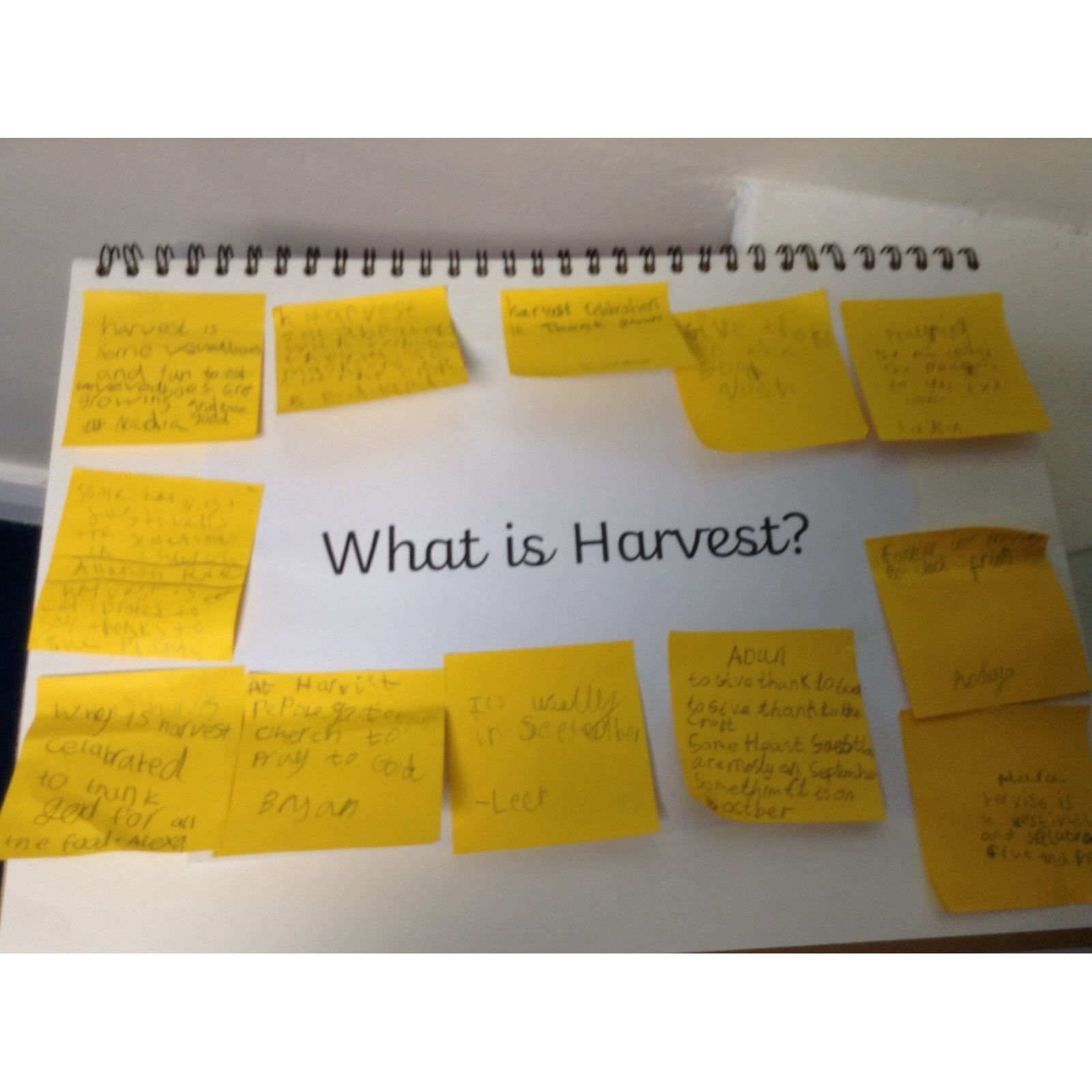
“Harvest is giving thanks for our food.” - Adunola
“I am grateful for the food that God gives us.” - Bryan
In English, we have continued our Iron Man story. We went outside and pretended we could see the Iron Man on a cliff, like it says in the story. We later discussed what it would be like to be our main character Hogarth and how we would feel if we saw the mysterious figure standing on a cliff.
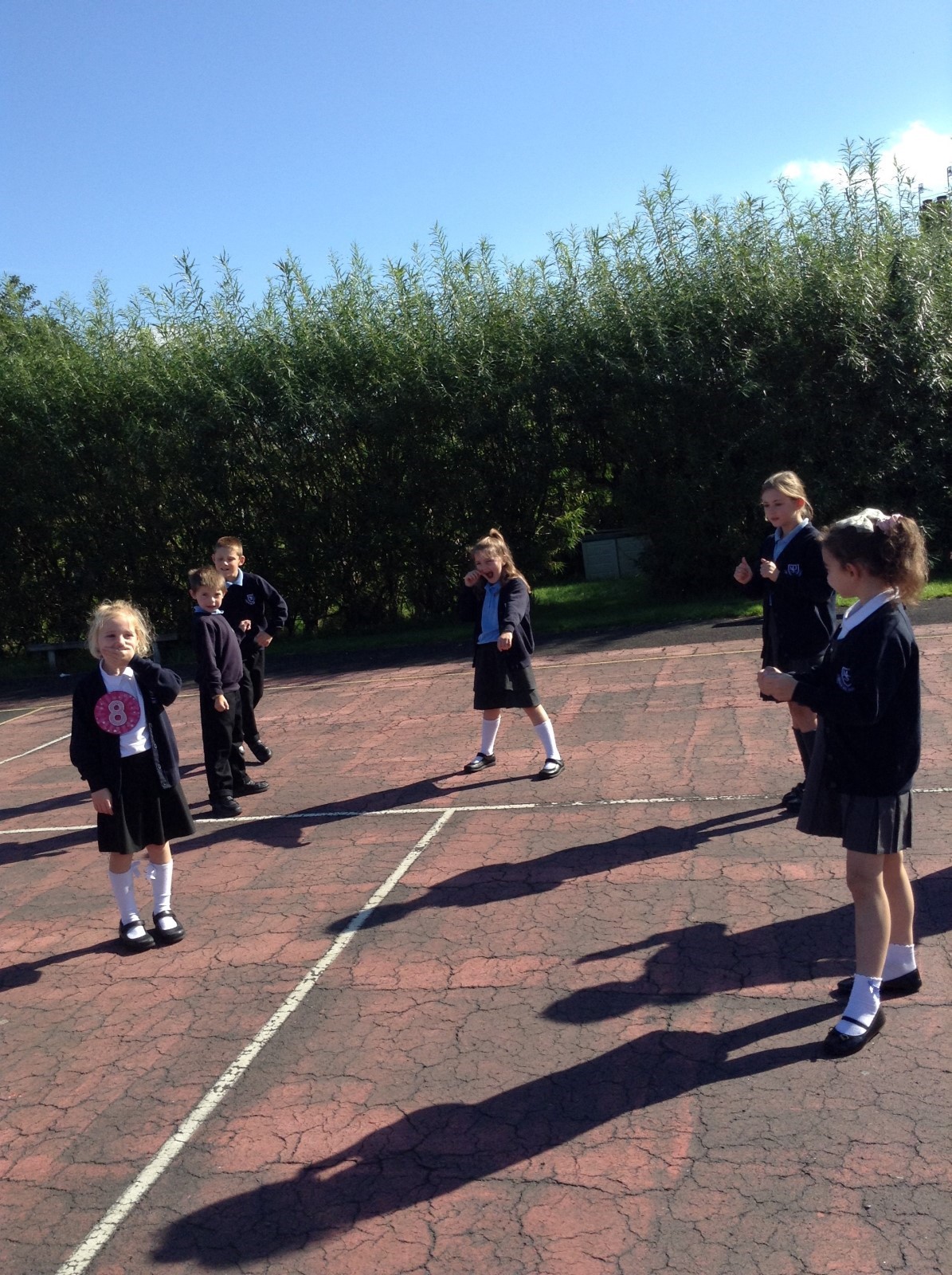
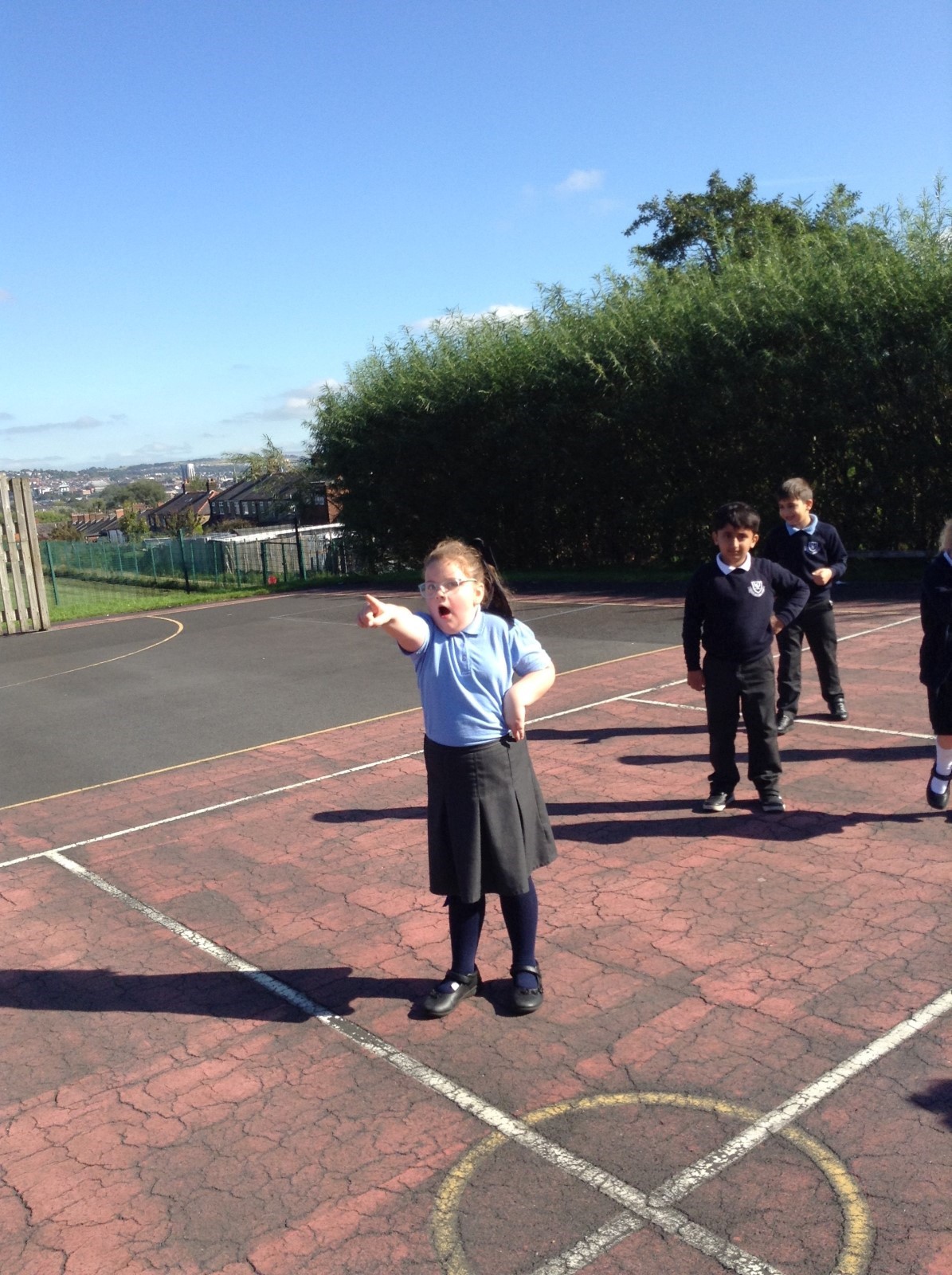
“I would be curious if I saw the Iron Man.” - Issac
“I would wonder if he was nice or mean.” - Nadia
3S Autumn 1 Week 2
In our English lessons this week, we were given clues about our class story. We have then been predicting what we think it will be about. We looked at different pictures from the book and wrote our predictions. Later in the week, we found out that the book is The Iron Man by Ted Hughes. We used words and phrases that describe the Iron Man to write our own Kenning poems.
I found the pictures strange because I didn’t know what the story was going to be. – Rose
I thought the pictures looked like the olden days. - Allanah
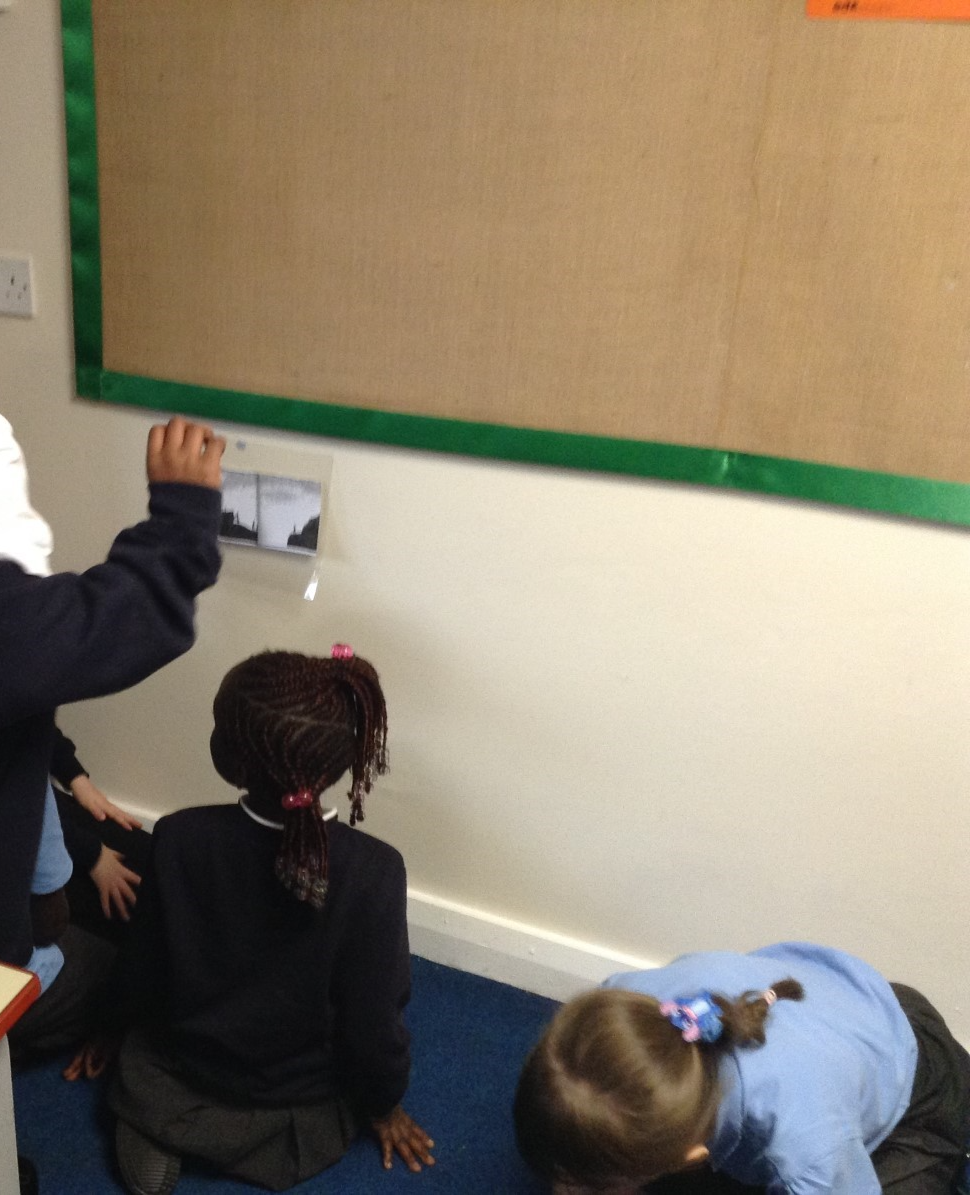
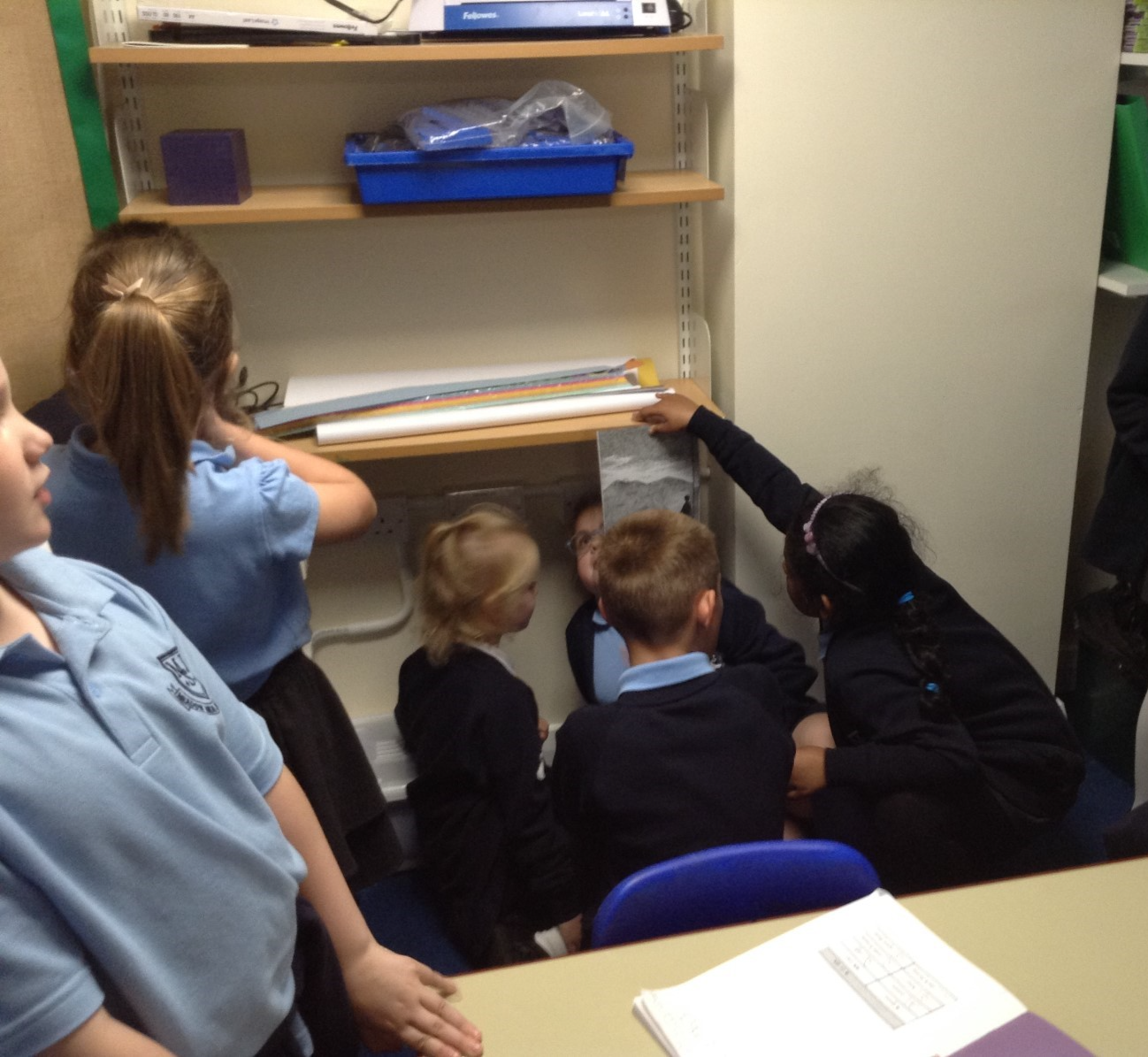
In Geography, we have been looking at different types of maps. We found out about the counties of England and that we live in the county of Lancashire. We learnt how to use an Atlas and a compass to find lots of different places, including where our school is.
This week, we learnt about all different types of maps. – Adara
I learnt how to remember the directions on a compass. - Hollie
During our first French lesson, we learnt how to introduce ourselves. We also learnt our numbers by playing a game.
I liked learning greetings and my numbers. – Leen
We counted in French using a song. – Adara
The song uses French and then in English, so you understand what it means. - Eduard
3S Autumn 1 Week 1
We have had an amazing first week in year 3! Both classes have settled in wonderfully and have been demonstrating our school values each day. We have been very impressed with how well the pupils have familiarised themselves with the new class routine.
In our English lessons this week, we have been writing recounts of our summer break. We looked at various recounts and identified the key features of this genre of writing. Year 3 planned and wrote their own recounts including all the wonderful memories they have made this summer!
I learnt that recounts are in the past tense. - Adunola
An introduction always goes at the beginning. - Aadiya
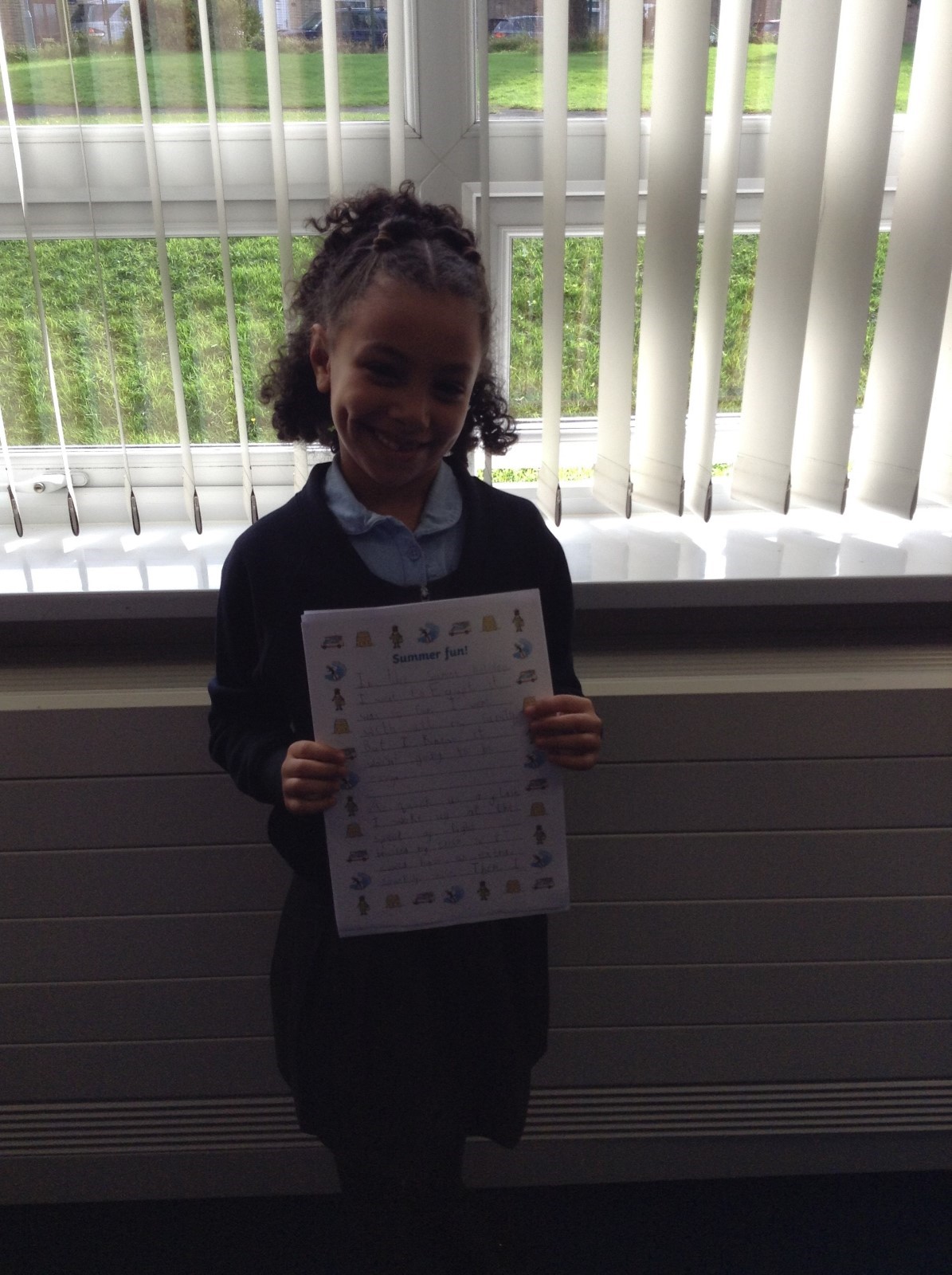
During our Maths lessons, we have been practising our ten times tables. We have also been working on Number and Place Value this week, focusing on exchanging 10 ones for 1 ten and exchanging 10 tens for 1 hundred. We have been exploring this using concrete materials. The class enjoyed working in pairs to consolidate their learning.
In school we have undertaken an Anti-Racism week, an important initiative aimed at reinforcing our school values and addressing race equality within our diverse community. Year 3 have engaged in meaningful discussions about how we can treat everybody fairly.
I will help people when they are sad. - Daniel I
I will tell the teacher if someone is being mean. - Issac
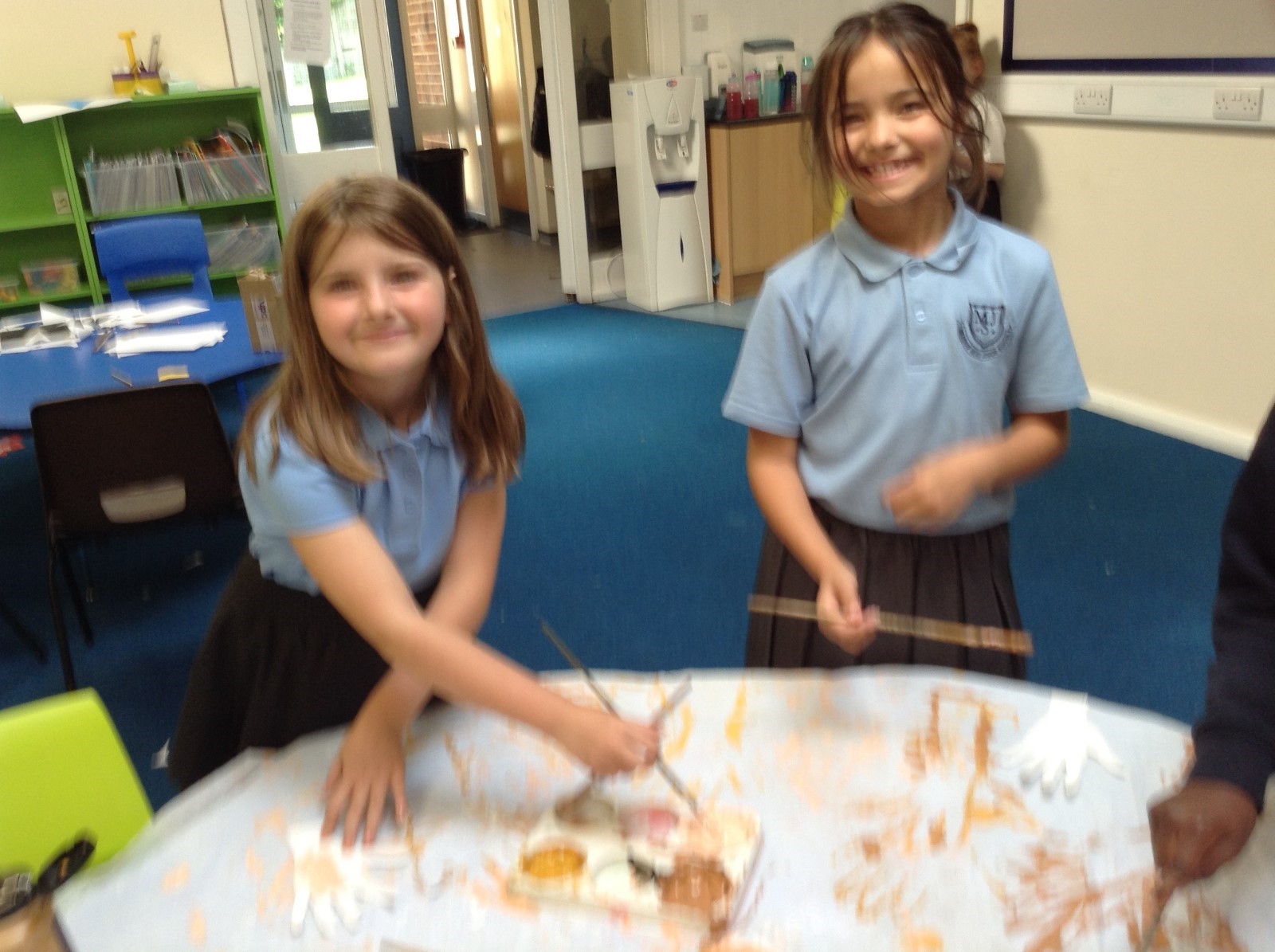
Home learning & Learning Overview